
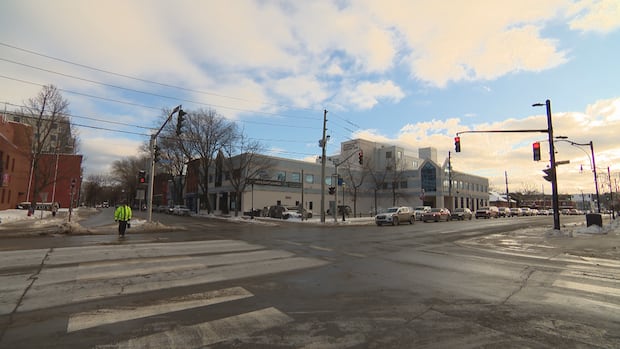
It could get a lot easier for the City of Fredericton to dish out tickets to red-light runners.
Fredericton is looking at installing red-light cameras at four intersection as part of a pilot of the technology New Brunswick municipalities can now use.
The city issued a public call-out in July to vendors of the technology, asking them to provide information on the options on the market and the potential cost to taxpayers.
“Fredericton, like many cities, faces challenges with motorists running red lights and speeding, which can lead to serious collisions,” the city says in its request for information.
“Intersections are a particular concern for T-bone (right-angle) crashes caused by red light running, and excessive speed. In addition to intersections, there are corridors in the city that have both high speeds and high collision rates/risk of severity that may benefit from dedicated speed cameras.”
CBC News asked the city for an interview about its plans to adopt the technology, but spokesperson Marley McLellan declined. She said in an email that the municipality is still reviewing the information it received and should be able to share more details later.
Last October, the provincial government introduced long-awaited legislation allowing municipalities to employ automated traffic enforcement technology, such as red-light cameras and speed cameras.
Red-light cameras work by capturing a photo of a vehicle as it runs a red light. Under New Brunswick law, a police officer must review the photo and verify the offence before issuing a ticket.
The ticket is then mailed to the address of the person the vehicle is registered to, regardless of who was driving.
Intersections first up for new tech
The information Fredericton got in response to its call-out will potentially be used to help it craft a request for proposals to procure red-light cameras.
If the city does go ahead with procuring them, four intersections would be first up for having them installed.
WATCH | Red-light cameras could be coming to an intersection near you: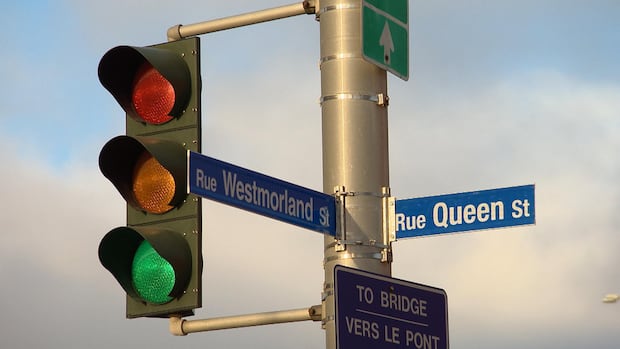
Fredericton takes initial steps to acquire red-light cameras
The City of Fredericton says the safety of drivers could be improved with red-light cameras, and is looking to possibly install them at four intersections.
Three are on the south side: Regent Street and Wayne Squibb Boulevard, Smythe and Prospect streets, and Queen and Westmorland streets. On the north side, the Ring Road and Maple Street intersection is on the list.
“These locations are based on known collision history and the local government would be interested in developing a warrant process and potentially moving these devices after a period of 1 year to other locations as warranted,” says the request for information.
CBC News asked the Fredericton Police Force for an interview with Chief Gary Forward about the issue of red-light violations.
Spokesperson Sonya Gilks said the force would provide comment “once the idea is more than exploratory.”
CBC News also asked for statistics on crashes associated with red-light violations but the police force did not provide them.
Driver hit by red-light runner welcomes move
Jeff Jardine knows first-hand the consequences of someone running a red light.
In September 2016, he was driving south on York Street when someone ignored a red light and hit the front passenger side of his car as he crossed Dundonald Street.
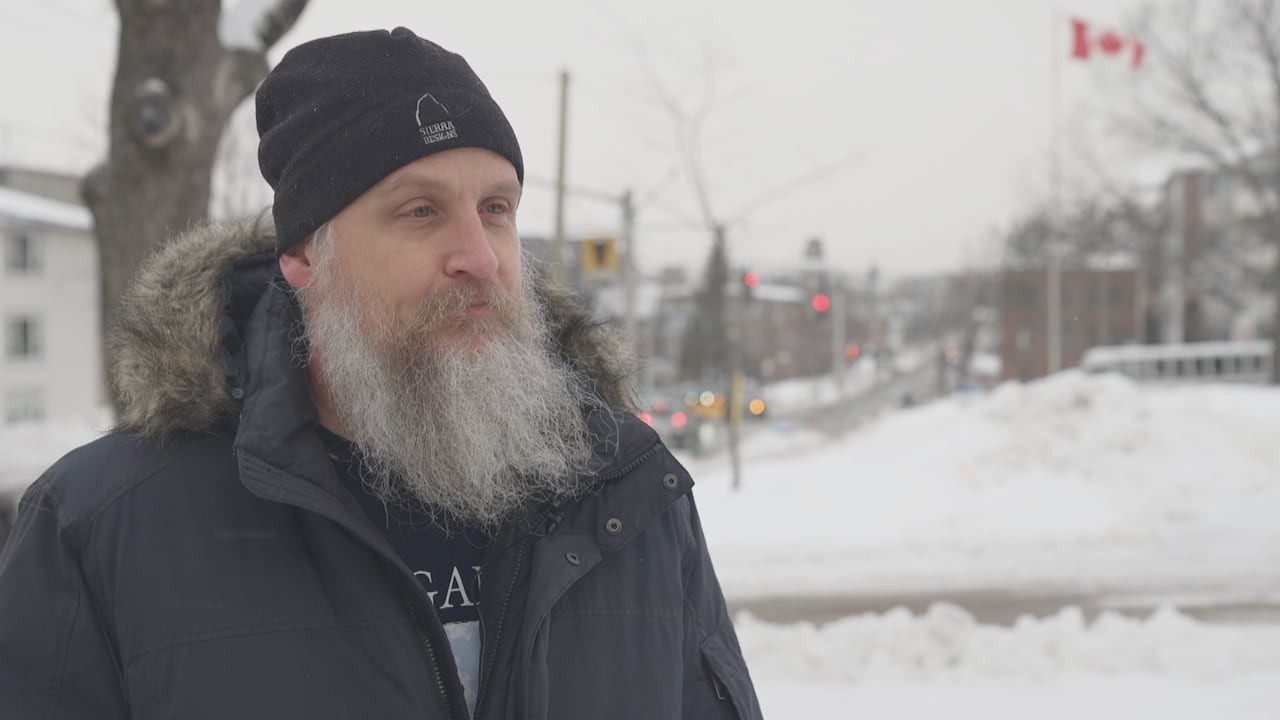 Jeff Jardine says he was driving through the intersection of York and Dundonald streets when he was hit by a red-light runner. (Mike Heenan/CBC)
“It’s a shock you certainly don’t expect,” said Jardine, standing near that same intersection.
While his car was written off by his insurance company, he got away with just a sprained thumb.
In the years since, he said, he’s noticed more and more people running red lights in the city.
It has him open to the use of red-light cameras if it means fewer people end up in crashes like the one he experienced.
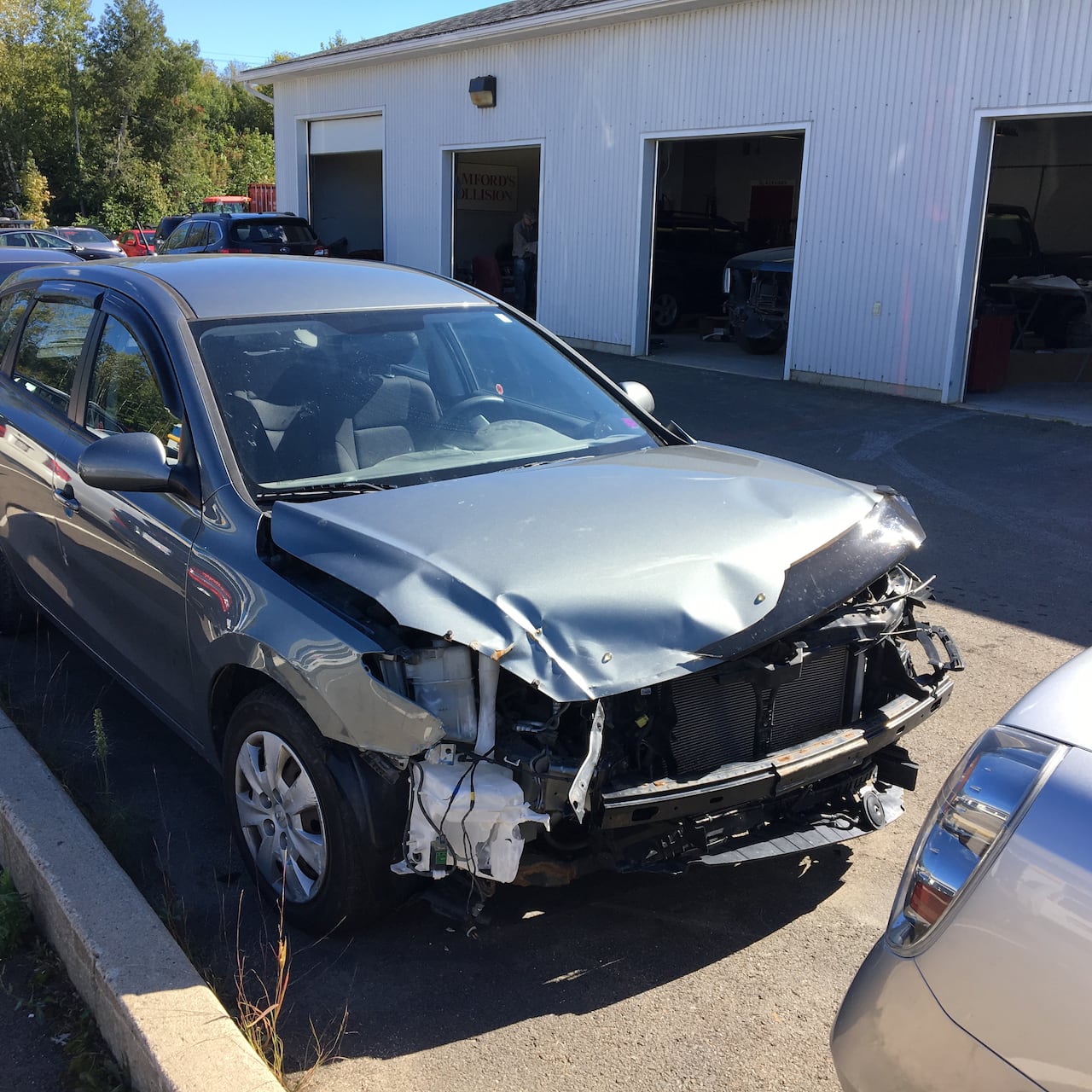 Jardine escaped with a minor injury but his car was totalled by the driver who ran a red light at York and Dundonald. (Submitted by Jeff Jardine)
“I would say that I’d be in favour of red-light cameras as long as the decision is evidence-based and it’s shown that they do reduce accidents, especially dangerous accidents.”
Several studies have been done on the use of red-light cameras, particularly in the United States, where some cities have been using them for years.
There’s strong evidence they reduce the rate of red-light violations and, by extension, crashes associated with them, said Wen Hu, a senior researcher in transportation engineering with the Insurance Institute for Highway Safety.
 Studies have shown red-light cameras lead to a reduction in fatal crashes at intersections with lights, says Wen Hu, a researcher with the Insurance Institute for Highway Safety. (Submitted by the Insurance Institute for Highway Safety)
As part of a study published in the Journal of Safety Research in 2017, Wen and Jessica Cicchino compared the rates of fatal intersection crashes in 117 U.S. cities of similar size.
The cities were divided into those that employ red-light cameras and those that don’t.
The study found that cities with red-light cameras had 21 per cent fewer fatal crashes caused by people running red lights, and 14 per cent fewer fatal crashes at signalized intersections in general.
“So yeah, red-light safety cameras are definitely one of the safety tools you can use to improve safety at intersections,” she said.
Revenue-sharing still in question
While municipalities are responsible for issuing tickets to those who violate provincial traffic laws, all of the revenue goes to the provincial government.
That has troubled municipalities, with some leaders questioning the business case for adopting expensive new technology if they can’t benefit from the revenues it would generate.
According to Fredericton’s request for information, city staff found a single red-light camera can cost more than $100,000 to install and another $50,000 annually in servicing and maintenance.
While nothing concrete has been proposed, discussions are happening about a revenue-sharing model for things such as traffic tickets, said Local Government Minister Aaron Kennedy.
Kennedy said those discussions include possibly increasing the fine amounts to make up for whatever revenue the province shares with communities.
“Obviously, the government isn’t interested in just blindly giving up revenue,” Kennedy said.