
One of the discipline’s leading ‘privateers’ retires from racing and Santa Cruz pulls plug on iconic squad, marking a turning point as US gravel racing grows ever more professional and competitive.

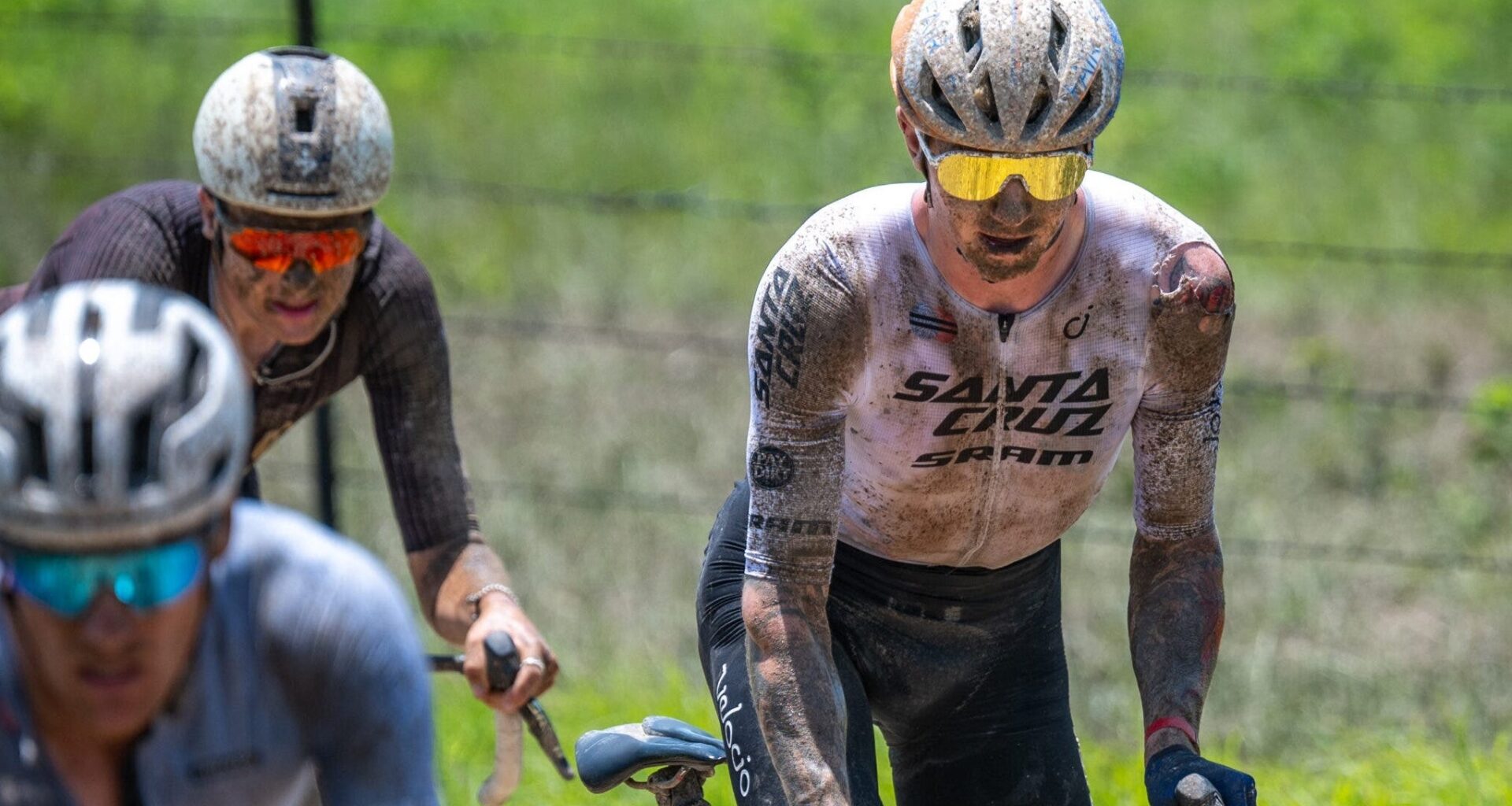
Swenson, shown here at 2025 Unbound, was a key member of the team. (Photo: Special to Velo)
Updated December 16, 2025 05:20AM
Two big announcements this week confirm that the U.S. gravel racing scene is changing fast.
Pete Stetina — one of the discipline’s leading “privateers” — is stepping away from full-time racing, and Santa Cruz Bicycles is shuttering the dominant “htSQD” at the end of 2025.
These shakeups reveal how far gravel has traveled from a loose, grassroots experiment a decade ago to a polished, high-performance discipline that’s testing the limits of the elusive “gravel spirit.”
Stetina, 38, was among the first to jump from elite European road racing into the nascent U.S. gravel racing circuit. In 2019, he walked away from the WorldTour to commit fully to gravel.
“I based my career on gravel,” he told Cycling Weekly this week. “I was going to sink or swim with this ship.”
Stetina helped raise the booming discipline’s profile, and he clocked wins at such races as the Traka 360 and the Crusher in the Tushar, and consistently chased the podium at Unbound, Leadville, and the Belgian Waffle Ride.
Stetina carved out space as a “privateer,” signing on with sponsors like Canyon and other key backers. With his trademark van and high-profile social media presence, he helped blaze a trail that many have since followed.
Gravel racing evolved fast
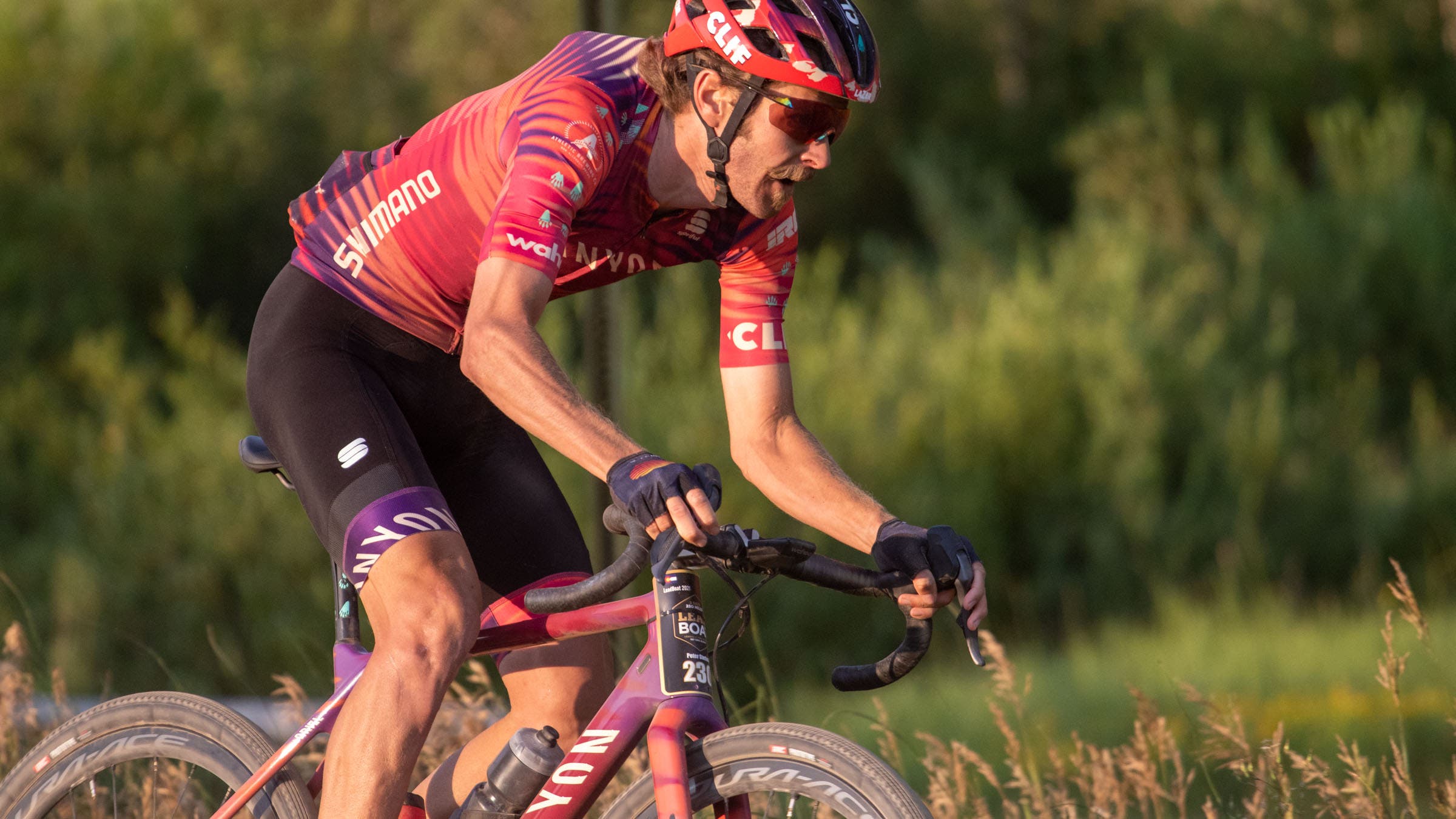 Stetina walked away from the WorldTour to chase the gravel circuit. (Photo: Brad Kaminski/Velo)
Gravel boomed, and Stetina rode the wave, but things were changing quickly.
Bike companies, sponsors, and organizers all upped the investment as thousands of cyclists turned on to the big fun found in bashing the dusty backroads of Americana and beyond.
Much like the mountain bike boom 30 years ago, everyone was buying gravel bikes, and events soon expanded across the globe.
Cycling’s governing body took notice, and by 2022, there was a UCI-sanctioned gravel world championships. Not all of the purists liked these evolutions.
“Race at the front, party at the back,” was the phrase that captured the ethos, and Stetina was often at the crossroads of growing professionalism that sometimes intersected with the free-wheeling spirit of the gravel scene.
“I came to gravel to have a more fulfilling and fun experience,” Stetina told Cycling Weekly. “And I almost feel like I’m back in the WorldTour that I left. It’s so high-performance now.”
‘htSQD’ shutters after historic run
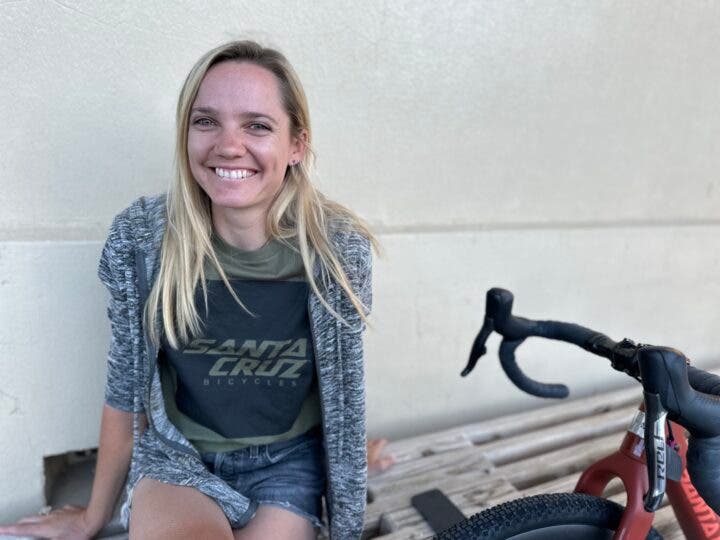 Skarda was one of the key members of the team that transformed gravel. (Photo: Betsy Welch/Velo)
In another turn of the page, Santa Cruz confirmed this week it is shuttering the htSQD, one of gravel’s standard-bearers over the past half-decade.
Formed in 2021, the team — built on connecting to the growing community — was proof that brands were investing big money into the booming gravel market.
“When we formed the htSQD back in 2021, we set out to build an elite team of individuals. Racers who were champions on and off the bike,” Santa Cruz said Monday. “We weren’t really sure what we were in for when this started, but the results came in fast.”
Its lineup included Keegan Swenson, who’s since become the most successful male gravel/endurance rider in the U.S., winning three Lifetime Grand Prix titles, twice breaking the Leadville 100 record, and winning Unbound and the 2025 UCI world title in XC marathon.
Alexis Skarda won national championships and kept the beats going after the race, while Tobin Ortenblad and Ruth Holcomb rounded out the squad. Santa Cruz confirmed it’s folding the team.
“Every race has to have a finish line, this is it for the htSQD,” Santa Cruz wrote in a social media post.
The wheel keeps spinning. Sweenson’s been linked to a move to Specialized, and others on the team are committed to keep racing.
Stetina will also race in select events in 2026 as he winds down his competitive career, but vows to stay involved in the gravel space.
Change and evolution are inevitable in gravel, especially as more prize money, higher stakes, and more professionalism move into the space.