
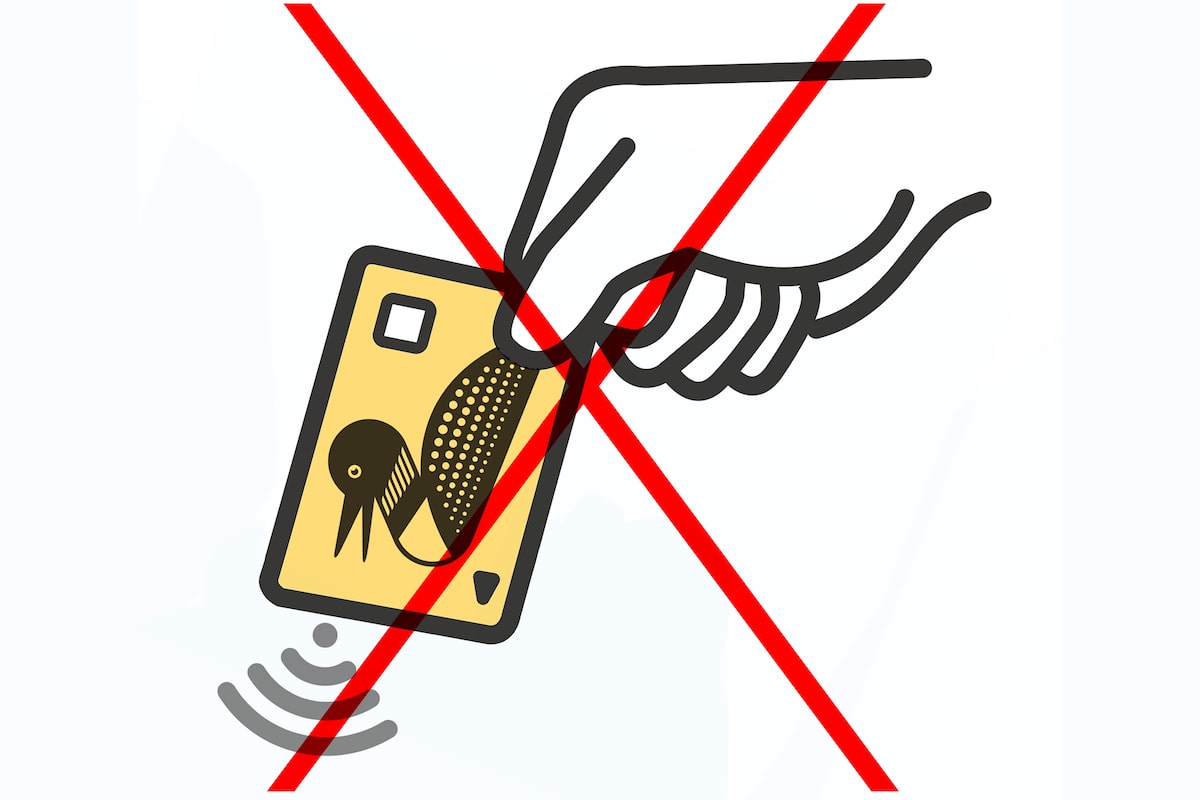
ILLUSTRATION: THE GLOBE AND MAIL. SOURCES: GETTY IMAGES
Peter Shawn Taylor is senior features editor at C2C Journal. He lives in Waterloo, Ont.
In a world gone digital, Canadians aren’t quite ready to give up on cash. Let’s keep it that way.
According to a recent Bank of Canada survey, paper money accounted for just 20 per cent of all transactions last year, down from 54 per cent in 2009. One-fifth of Canadians say they no longer carry any cash on a daily basis.
Yet the nominal value of money in the average Canadian’s wallet or purse has more than doubled since 2009. And the typical emergency stash at home sits at $472. All told, there’s a record $121-billion of Canadian bills in circulation.
So why does Ottawa want to put its own banknotes out of commission?
Among many other consequential measures, Bill C-2 – introduced by the Carney government in June – proposes to toughen federal anti-money laundering laws by making it illegal for any person, business, bank or charity to accept “a cash payment, donation or deposit of $10,000 or more.” It would also forbid “night drops,” whereby businesses deposit their daily earnings in a secure mail slot after banking hours.
Two typhoons just exposed how brittle our cashless future really is
In a cashless world, many older Canadians get left behind
Both proposals threaten the existence of Canada’s cash economy by making it riskier and more complicated to deal in paper money. Some cash-heavy businesses may soon find it impossible to deposit all their earnings at any bank. If these hassles convince enough shops to go cashless, it will eventually become impossible for consumers to use bills for even the smallest purchases. And then cash will be worthless.
“The idea of paper money is very simple: everyone recognizes it and everyone accepts it,” said Jay Zagorsky, a business professor at the Questrom School of Business at Boston University and author of the 2025 book The Power of Cash, an impassioned defence of the many benefits of hard currency.
The first is resiliency. Every digital transaction requires three things to function: electricity, a communications network and a secure payment system. Wildfires, earthquakes and other natural disasters put each in peril. Mr. Zagorsky cautioned anyone who thinks an app or card is all they need to survive to carefully consider their next crisis. “If you use your cellphone to pay for everything, what will you do when the power goes out?” he said in an interview. “After a day or two, your battery is going to die and you’ll be going hungry.” Cash never breaks.
Cash is equally beneficial against hackers and hostile nations. Cash use spiked in Ukraine following the Russian invasion in 2022, as it has throughout Europe. According to the European Central Bank, the closer a country is to Ukraine, the higher the demand for large denomination bills.
At the personal level, cash offers a hard-cap budget. “With cash, you can only spend whatever you have on you at that moment,” said Mr. Zagorsky. Credit cards allow you to spend up to your entire borrowing limit. And many do. Nearly one-third of Canadians have unpaid credit-card balances.
Businesses prefer cash because it allows them to avoid steep credit-card fees and keep prices down, said Corinne Pohlmann, executive vice-president of the Canadian Federation of Independent Business, noting also that cash transactions over $10,000 must already be reported to the federal government. Plus, banning night drops could actually increase the risk of crime. “Now businesses will have to keep their money in a safe all night, making it a more enticing place to rob,” she said in an interview.
How to cut down on spending and save money on household finances, according to our experts
A 2023 report by McGill’s Max Bell School of Public Policy warned against “sleepwalking” into a cashless society, given the outsized role bills play in the lives of many disadvantaged groups. Twelve per cent of adult Canadians do not have a credit card and must rely on cash to survive. Victims of domestic abuse are often advised to build a secret stockpile of banknotes as a “getaway fund.” Cash is king on most First Nation reserves. And many elderly people simply lack the desire to figure out new-fangled payment apps.
Some U.S. cities have already taken steps to protect the right of consumers to pay in cash. And a vocal pro-cash movement has convinced several European countries, including Switzerland and Austria, to propose amendments to their constitutions to enshrine the use of cash; Slovakia has already done so.
Here in Canada, the federal government isn’t just “sleepwalking” into a cashless society – it’s running headlong toward it. While some elements of C-2 were transferred to the newer Bill C-12 this fall, the original bill remains a going concern. As an October press release stated, C-2’s proposed ban on night drops and large cash transfers “will continue … to target organized crime and prevent money laundering.”
Mr. Zagorsky devotes several chapters to dismantling the notion that cash is the lifeblood of thieves, terrorists and tax cheats. In fact, the best crooks went digital a long time ago. “Bags of cash not required to launder money,” a B.C. expert panel concluded in 2019. The federal anti-money laundering organization FinTRAC recently announced a record $176-million fine against a cryptocurrency dealer for failing to report more than 1,000 transactions over $10,000 – activity that would in no way be impeded by a ban on large cash deposits.
Putting an end to cash will also do little to stop tax evasion. Mr. Zagorsky’s calculations show that if everyone currently taking cash under the table paid all their taxes owing, federal tax receipts would rise a mere four per cent. “Canada is not going to eliminate terrorism, corruption or money laundering by making cash less available,” he warned. “But it will make life more difficult for people who need to use cash.”
Cash is a budgeting tool. It keeps costs down for business. The political left considers it a social-justice issue. The political right regards cash as the means to protect personal privacy and prevent government overreach. It also bolsters national security and community resilience. Cash is a great unifier, and worth protecting.
But simply hiding a stack of bills under your mattress isn’t sufficient. If cash is held exclusively for emergencies, then the financial and social infrastructure it requires to operate will eventually disappear. It is therefore crucial not just to hold onto cash, but to spend it regularly. “Convince yourself and everyone you know to use paper money at least once a week,” Mr. Zagorsky pleaded. “Buy something in cash. Anything.”