
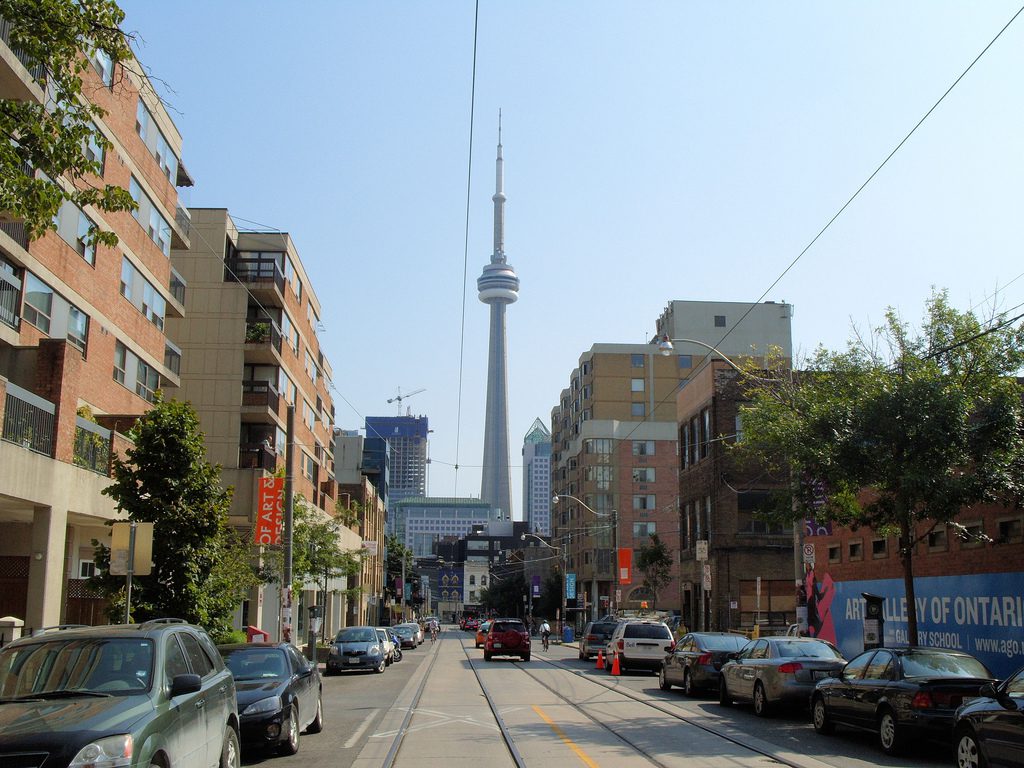
Some good news for cyclists in Toronto. City council has approved a plan to add more than 20 km of bike lanes across the city. It’s a move designed to work within provincial rules. Those regulations, as part of a bill passed in November 2024, restrict the removal of car lanes for cycling infrastructure.
The proposal, which focuses on areas outside the downtown core, passed with little debate Wednesday. Mayor Olivia Chow described the initiative as a “win-win.” She added that it narrows existing car lanes rather than eliminating them. This allows the project to comply with provincial legislation.
Coun. Paula Fletcher called the project “the broadest expansion of the cycling network outside of the downtown core, really, that I’ve ever seen.” She said it would improve safety for riders across Toronto, including in Scarborough, North York, Etobicoke and York. “This now will guarantee that many more people… can really be safe while they’re cycling in our city,” Fletcher said to the CBC.
The largest segment under the new plan is a 6-km stretch along Kingston Road. It’s a part of a broader strategy to make cycling safer and more accessible throughout the city. With an estimated cost of more than $30 million, the initiative is one of the most ambitious cycling expansions Toronto has undertaken in recent years.
Michael Longfield, executive director of advocacy group Cycle Toronto, welcomed the move. “At least it sends notice that the City of Toronto is not just going to sit around and twiddle its thumbs while Bill 60 is law.” He added that while the plan isn’t perfect, he’ll take it for now. Longfield said it represents a meaningful step toward supporting safe cycling amid provincial restrictions.
Meanwhile, city councillor Jon Burnside plans to introduce a motion asking staff to explore whether police could seize ebikes and e-scooters from riders caught breaking sidewalk rules. “They have the potential to go quite quickly and hurt people seriously,” Burnside told the CBC. “I think we need to be taking this more seriously than we have been.”
He added that he believes public education campaigns and enforcement blitzes haven’t been enough to curb dangerous behaviour. “Sadly, more enforcement power is needed to reinforce the messaging as the number of injuries is increasing.”
Toronto already bans ebikes and e-scooters from sidewalks. E-scooters are also prohibited on public roads, though ebikes may operate on streets and in bike lanes if they meet power and speed limits. Burnside argues these rules are often ignored, and the threat of seizure would send a clear signal.
David Shellnutt, a.ka. The Biking Lawyer, said, “If safety is our concern, then aggressive, proactive (albeit probably unlawful) plans like this should be directed at the main perpetrators of harm on our roadways,” pointing out that collisions involving e-bikes on sidewalks are rare compared with motor vehicle incidents.