

Listen to this article
Estimated 3 minutes
The audio version of this article is generated by AI-based technology. Mispronunciations can occur. We are working with our partners to continually review and improve the results.
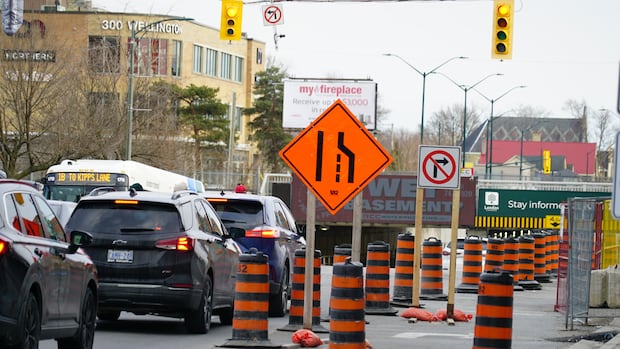
Another busy construction season has come to an end in London, and the city is already looking ahead to next spring when a slew of new projects are expected to begin.
In 2025, the city rebuilt 61 kilometres of road, and added 11 kilometres of bike lanes, as well as 10 kilometres of sidewalks. It has also upgraded 25 intersections and completed less visible underground work, like fixing water mains and sewers.
While the road closures and lane reductions can be a source of frustration, it’s all critical work to move the city forward, according to Jennie Dann, London’s Director of Construction and Infrastructure Services.
“London is a growing city, and all of this work supports new housing, safer streets, and better transit,” she said. “It improves how people get around and gives them more options, whether they walk, cycle, or take transit.”
Construction doesn’t stop entirely for the winter, Dann said, but things do slow down significantly. Crews have been working to wrap up projects where they can and stabilize any unfinished ones before the winter weather gets in the way, she added.
Work along Oxford Street and Bradley Avenue will continue, as will the Highbury Bridge widening on the East London Link. Much of that work is happening underground, so those areas will look much like they do now, Dann said.
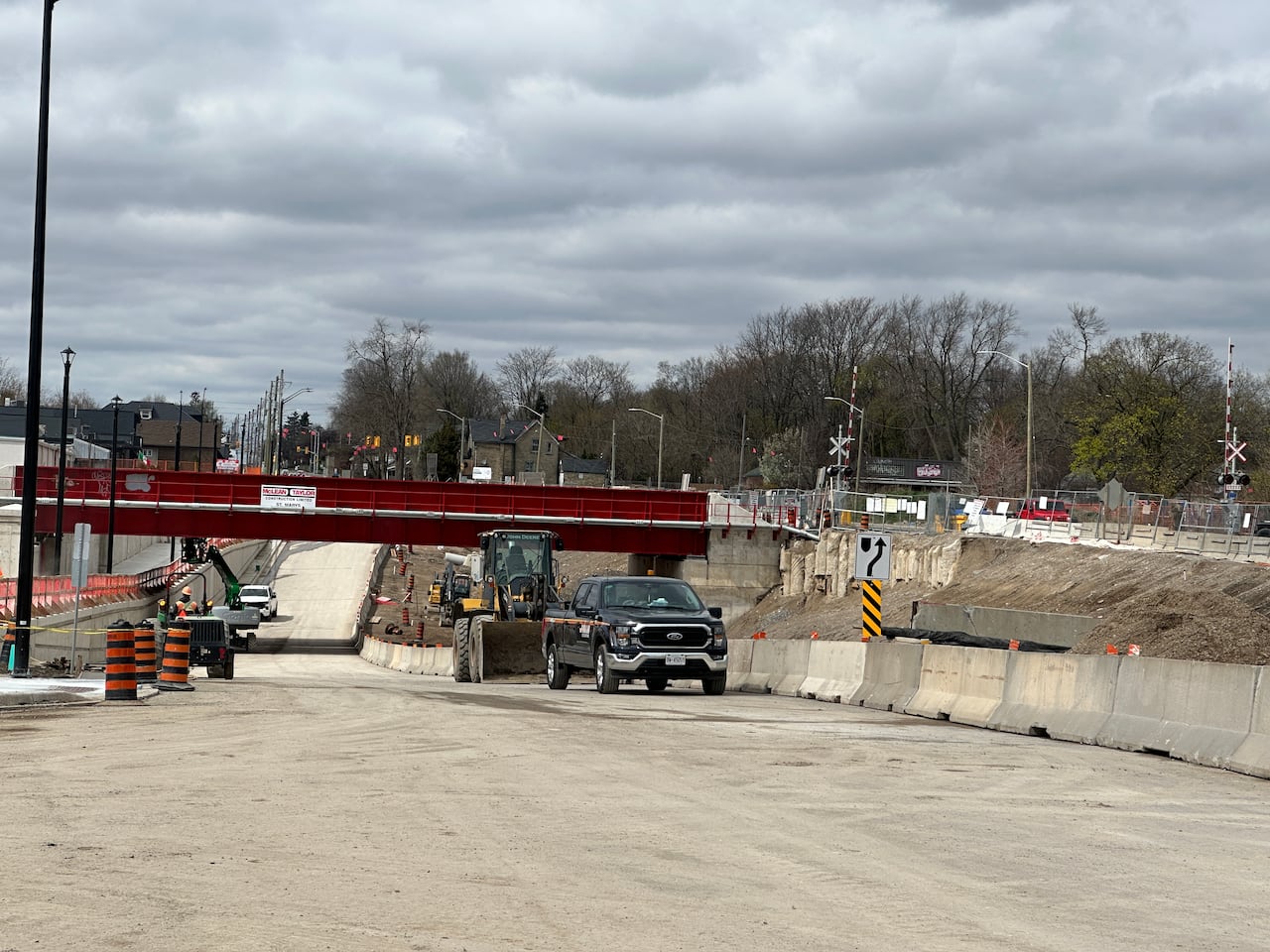 The Adelaide Underpass, while opened in 2024, was fully completed this year. The area has now been fully landscaped, and the section of McMahon park that was used for a temporary bypass road has now been restored. (Isha Bhargava/CBC)
Along with restorations and upgrades, some major multi-year projects were wrapped up in 2025.
The Adelaide Street underpass, while usable for over a year, was fully completed with landscaping, including the restoration of nearby McMahon Park, where the temporary bypass road had been.
The downtown loop of the Bus Rapid Transit system was also completed, with dedicated lanes for buses so they don’t need to weave in and out of traffic. The conterflow bus lane on King Street, which is one-way for regularly traffic, has seen drivers catch on quickly, Dann said.
“I think a lot of people have had that ‘aha’ moment — understanding the benefits of giving transit its own space,” she added.
Construction crews have appreciated everyone’s patience throughout the year, Dann said, adding that no matter how carefully they try to manage impacts, construction is always a source of frustration.
What’s next in 2026?
A slate of major projects will be starting in this spring, according to Dann.
A full reconstruction of Highbury Avenue in the southeast end of the city, from the Windermere Bridge to Highway 401 is expected to take two years to complete, she said. That will include improvements to ramps at Commissioners Road and Bradley Avenue.
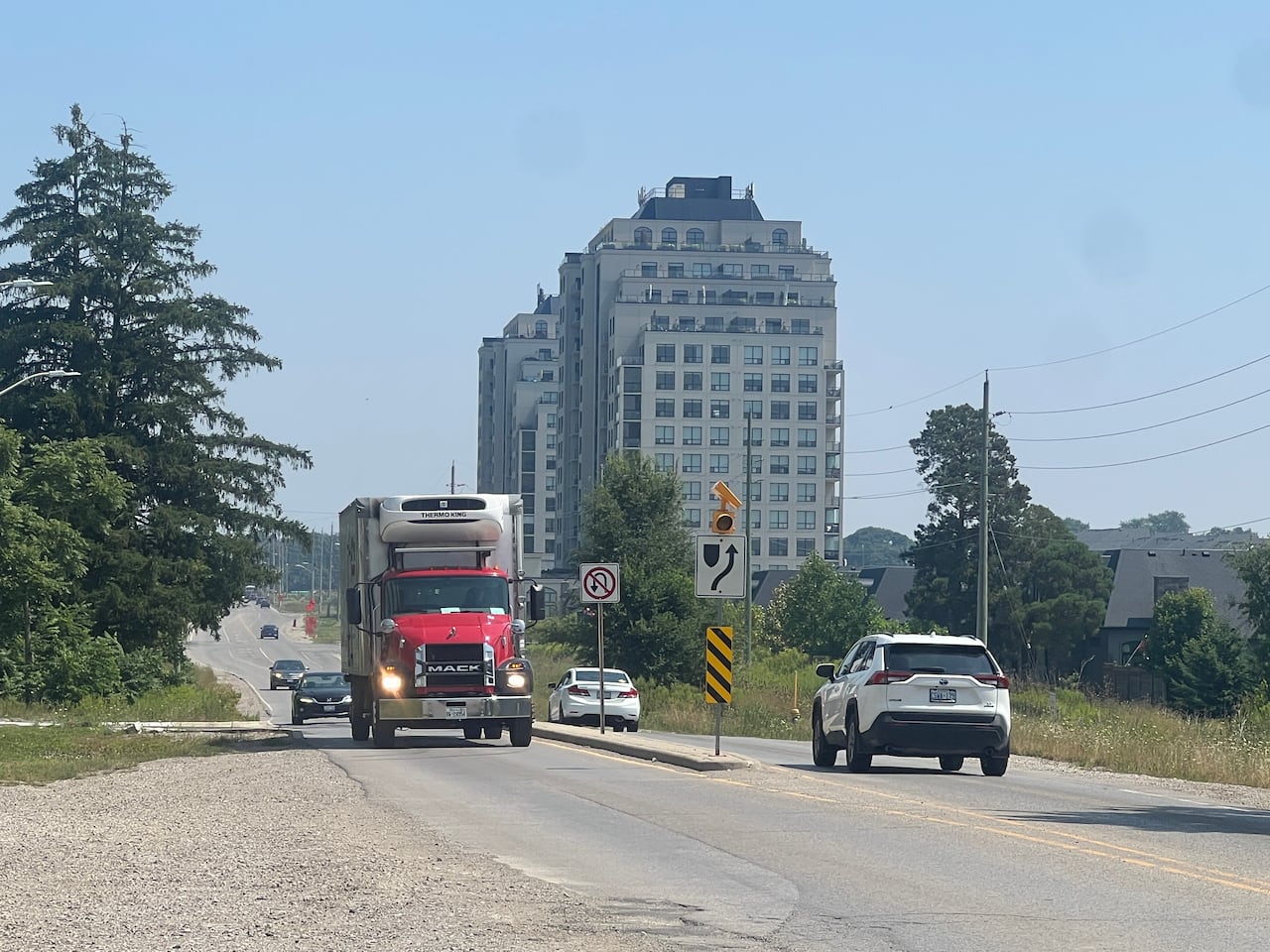 What is currently a two-lane road with a gravel shoulder, Sunningdale Road west, particularly the section between Wonderland Road and Richmond Street, can become traffic-choked during the morning and afternoon rush hours. (Andrew Lupton/CBC)
The widening of Sunningdale Road at Richmond Street in the north end will continue.
The Medway Creek bridge needs replacing, which will require a full closure, she said, but is expected to improve traffic capacity in what Dann calls a “growing area.”
In the west end, parts of Oxford Street will be widened from two lanes to four, with the first phase taking place between Westdel Bourne and Commissioners Road.
The road will remain open with one lane in each direction, but it will be tight, Dann warned, with more than 15,000 vehicles passing through that corridor every day.