
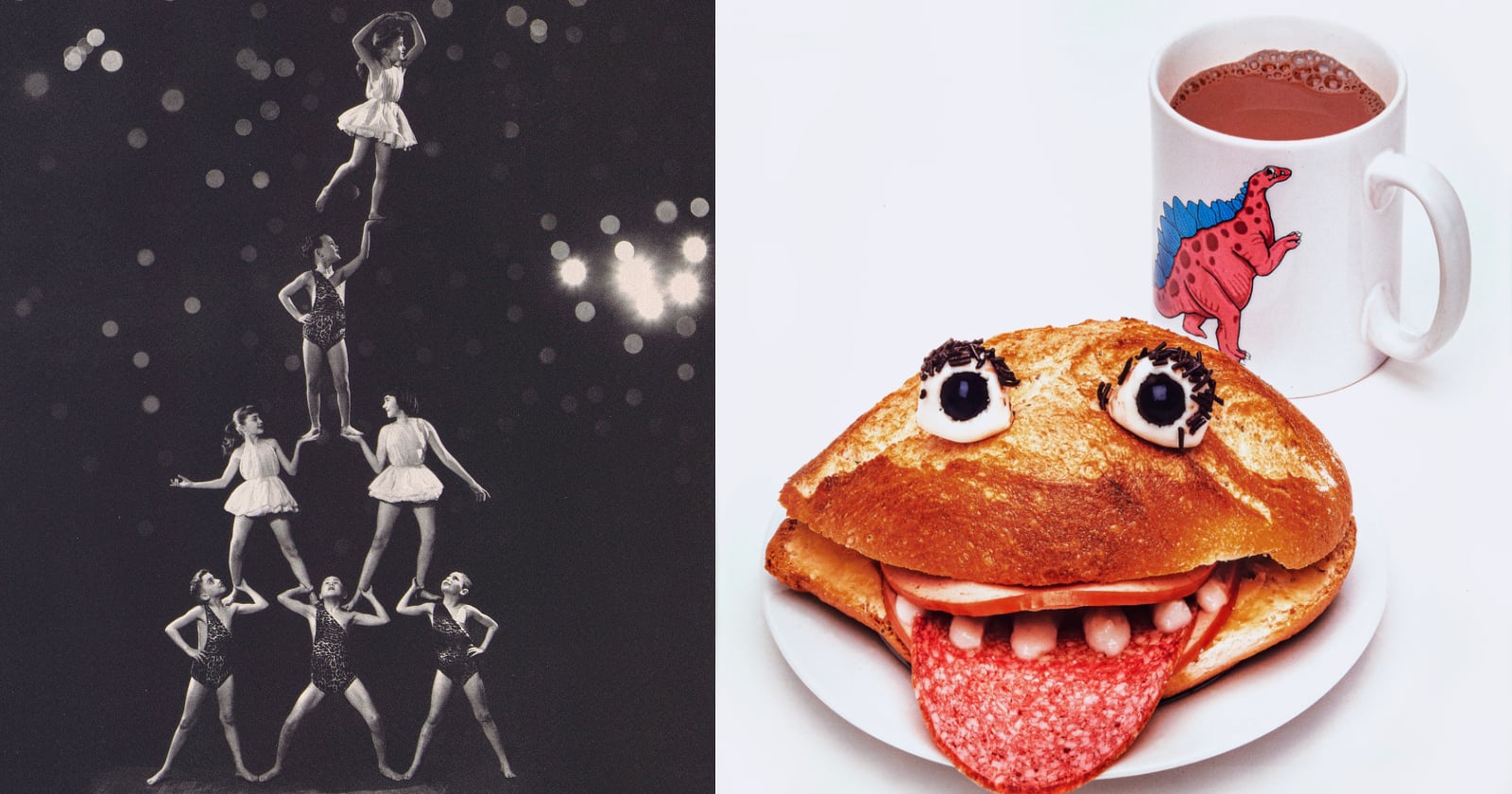
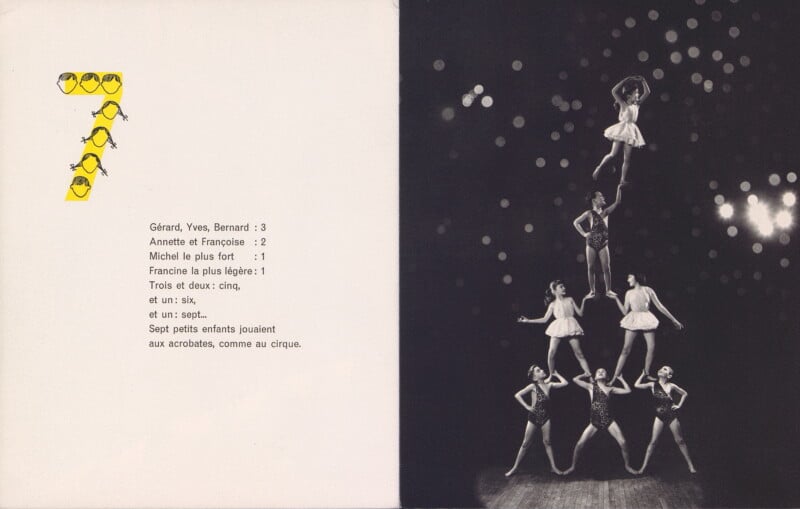
 Robert Doisneau, 1, 2, 3, 4, 5. Compter en s’amusant. La Guilde du livre, Lausanne, Éditions Clairefontaine, Lausanne, 1955. © ATELIER ROBERT DOISNEAU, GAMMA RAPHO
A new exhibition explores the history of photography in children’s books from their rise in the 1930s to the present day.
Running from September 19, 2025, to February 1, 2026, L is for Look, an exhibition at the Photo Elysée in Lausanne, Switzerland, focuses on how photographic books have shaped children’s learning, imagination, and engagement with the world. Most of the works on display come from the Photo Elysée library, one of Europe’s largest collections of photography books, holding over 30,000 titles.
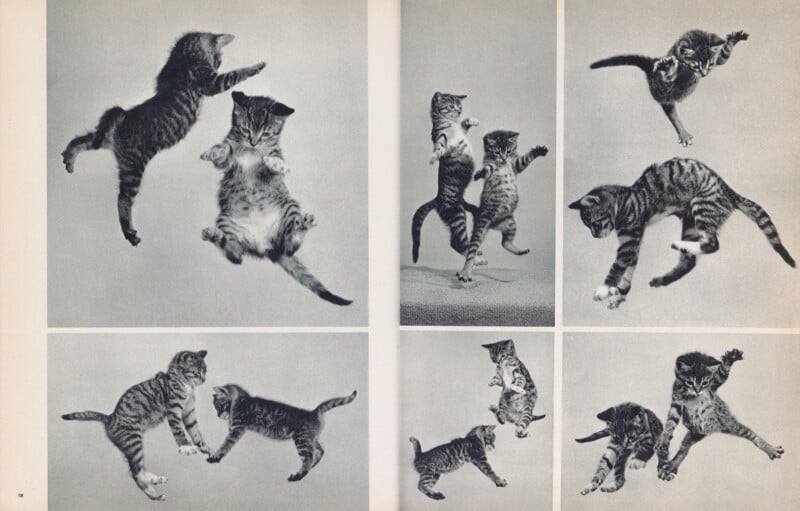 Ylla (Camilla Koffler, known as), 85 cats, La Guilde du livre, Lausanne, 1952 © Pryor Dodge
 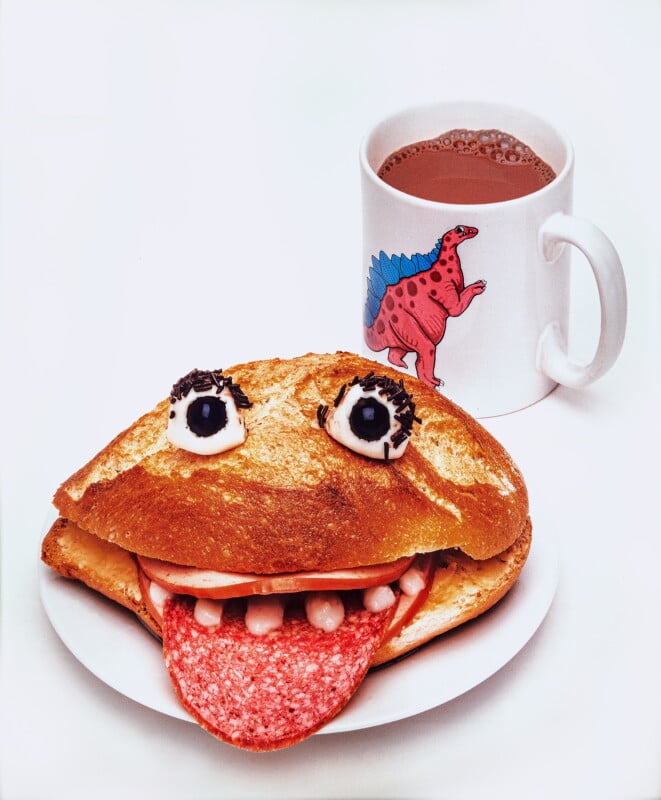 Reinhard Matz, Frühstück (Breakfast), 1995-2000 © Reinhard Matz
 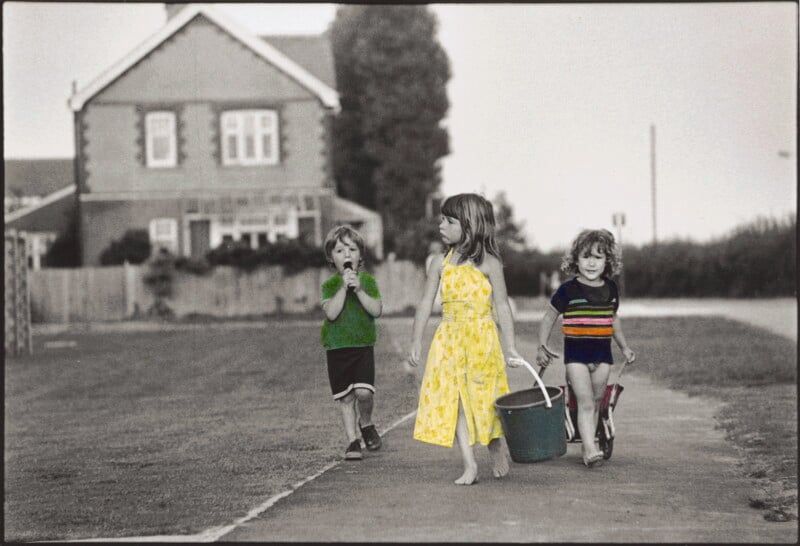 Enzo Arnone, Ciccì Coccò, 2025 © Enzo Arnone
According to the exhibition, in the 1930s, children’s photobooks were primarily educational, designed to enrich vocabulary and knowledge. Their graphic and material design — including spiral binding, interactive features, and fold-out pages — encouraged a participatory approach to learning. After World War II, photobooks evolved to support children’s understanding of the world and differences among people, exploring lifestyles, origins, and disabilities while encouraging emotional expression.
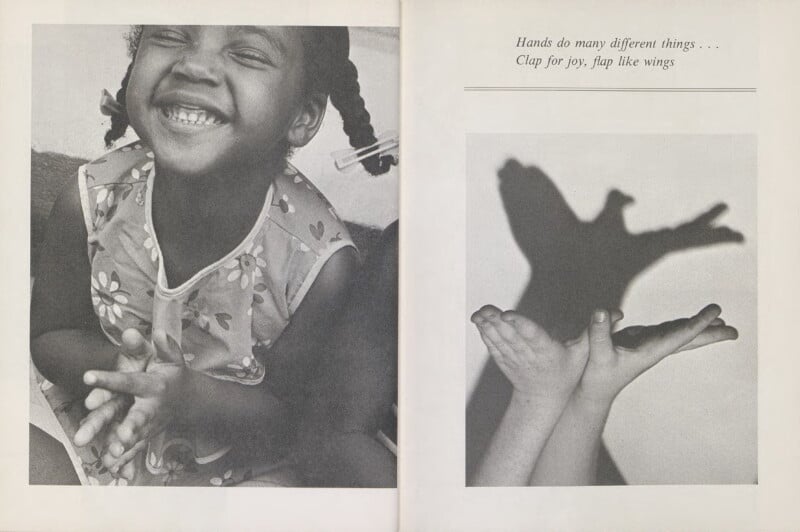 Tana Hoban avec Edith Baer, The Wonder of Hands, Éditions Parents Magazine, New York, 1970 © Miela Ford
 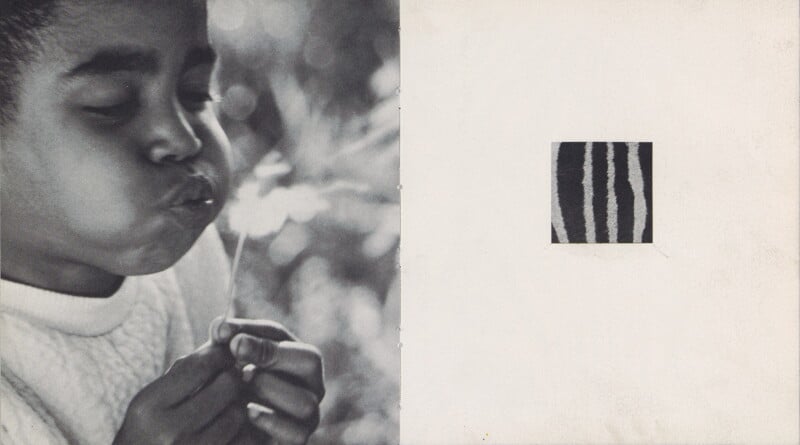 Tana Hoban, Look Again!, Macmilan Publishing Company, New York, 1971
© Estate of Tana Hoban
From the 1950s onwards, under the influence of cinema, television, and live performance, children’s photobooks expanded into fiction. Through image sequencing, the books became narrative mediums, while photography gained artistic recognition as a tool for subjective expression. Today, advances in digital tools and mixed media have led to new approaches combining drawing and photography in children’s illustration.
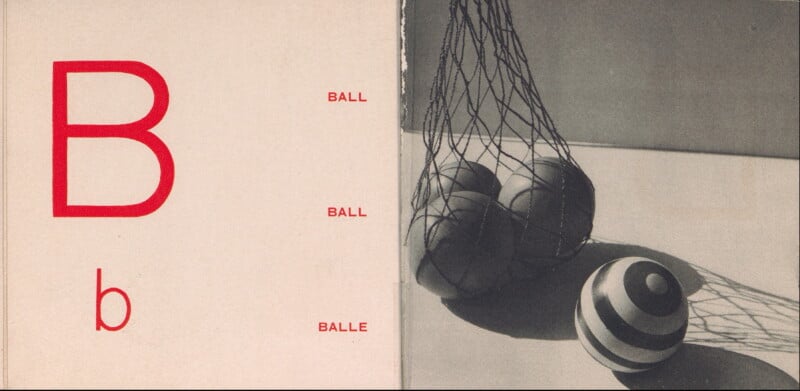 Emmanuel Sougez, Alphabet, Éditions Antoine Roche, Paris, 1932. All rights
reserved 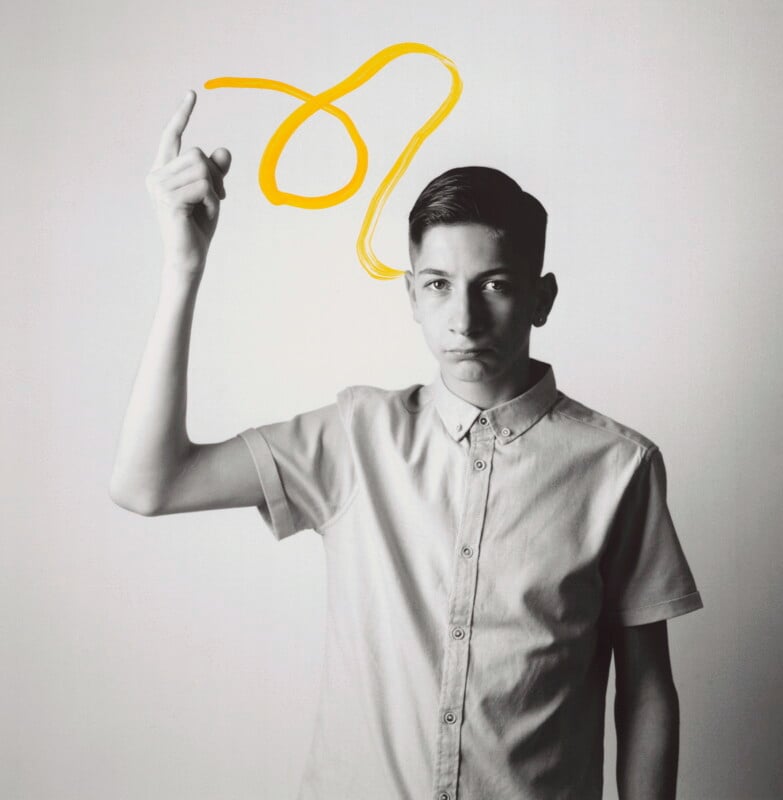 Adam Broomberg et Oliver Chanarin, A-Z Humans and Other Animals, 2016 © Late Estate of Broomberg and Chanarin
Following its presentation in Lausanne, the exhibition L is for Look will tour Europe, visiting the Museum Folkwang in Essen, the Rencontres de la Photographie d’Arles, the Photographers’ Gallery in London, U.K., the Centre National de l’Audiovisuel in Luxembourg, Foto Arsenal in Vienna, Australia, and concluding in 2028 at the Institut pour la Photographie in Lille, France.
Image credits: All photos courtesy of Photo Elysée.