
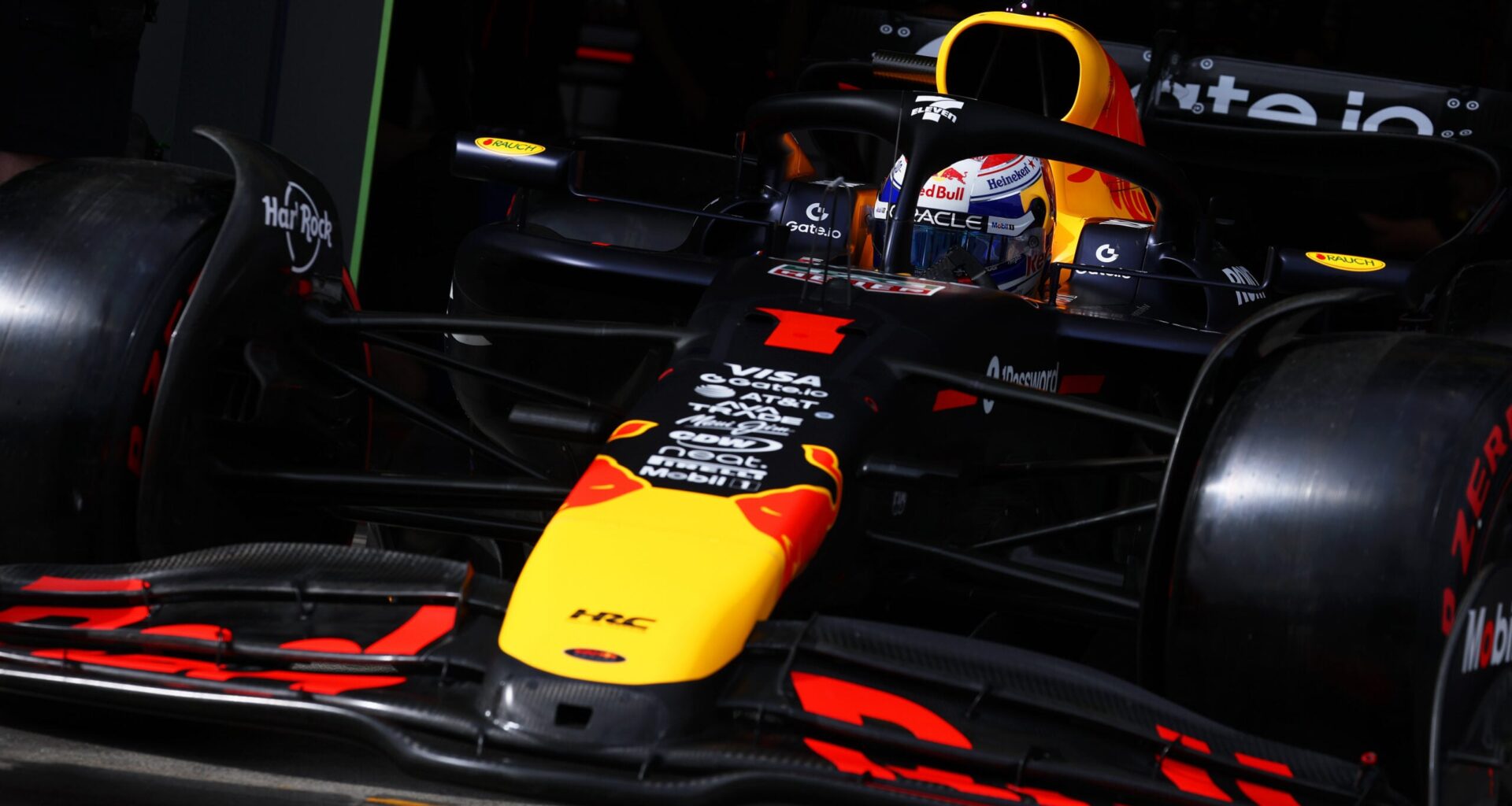
Although 2026 will be Red Bull’s first year as a manufacturer team, they have no intention of languishing at the back.
The Austrian squad have spent several years putting together the necessary personnel and infrastructure to produce a solid engine. For obvious reasons, making the transition from a customer to a manufacturer is very demanding.
With that said, there is a genuine belief that Red Bull could debut a competitive engine in 2026 – contrary to the scepticism of previous months.
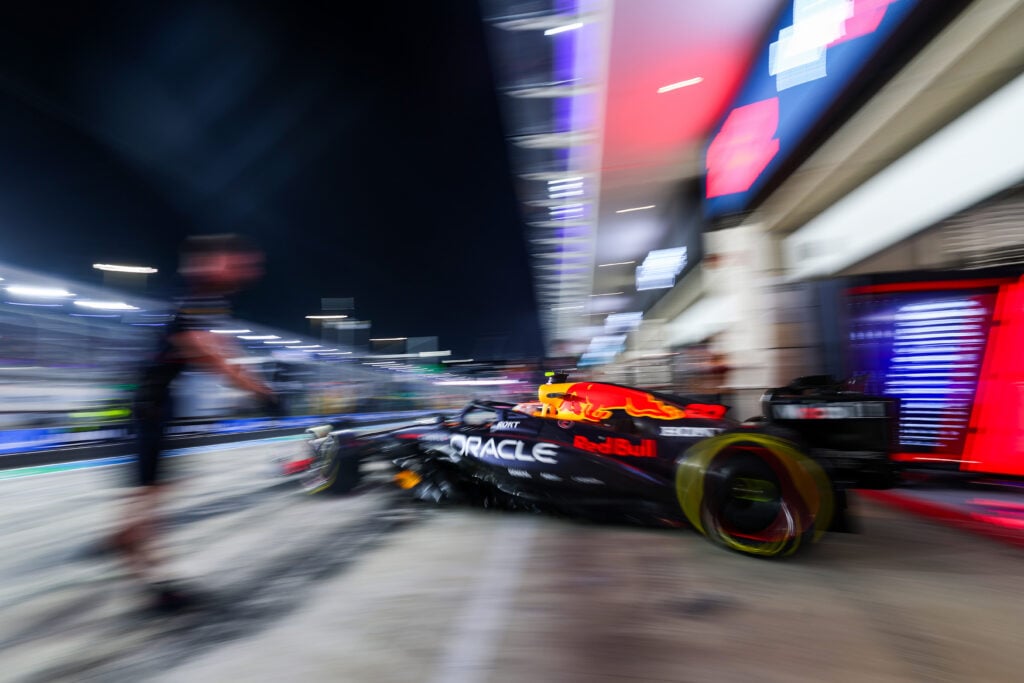 Yuki Tsunoda driving the (22) Oracle Red Bull Racing RB21 in Lusail City, Qatar. (Photo by Mark Thompson/Getty Images)
Growing optimism about the Red Bull engine
When Red Bull first announced they would produce their own power units, starting in 2026, plenty of question marks were raised. The consensus was that the Milton Keynes outfit would struggle to compete with the established names.
After all, it was only Honda’s initial decision to abandon F1 in 2026 (which they then reversed) that forced Red Bull to pursue this path.
Even now, Red Bull are far from favourites heading into 2026. Mercedes have been repeatedly named as the engine manufacture to watch – even if the likes of James Vowles dismiss the accuracy of this narrative.
In any case, it would be a mistake to predict Red Bull can produce the best engine for the upcoming regulations.
At the same time, they certainly should not be written off. Over the last few weeks, increasingly positive reports have emerged about their progress ahead of 2026.
Perhaps the most intriguing development surrounding the team is the controversial engine solution which – like Mercedes – they are developing for next year. On the surface level, this creative use of thermal expansion to increase the 16:1 compression ratio could unlock important performance.
Additionally, Red Bull’s work on this area is indicative of their aggressive recruitment of engineers and engine technicians from rival teams.
Unlike Audi, who have looked at their own pool of talent from other Motorsport categories, Laurent Mekies’ squad have signed the bulk of their employees from other manufacturers – including Mercedes.
Of course, this does not mean their engine department has the cohesion and level of integration of rivals. Still, with a workforce exceeding 600 people working in Red Bull’s engines, they are a serious proposition.
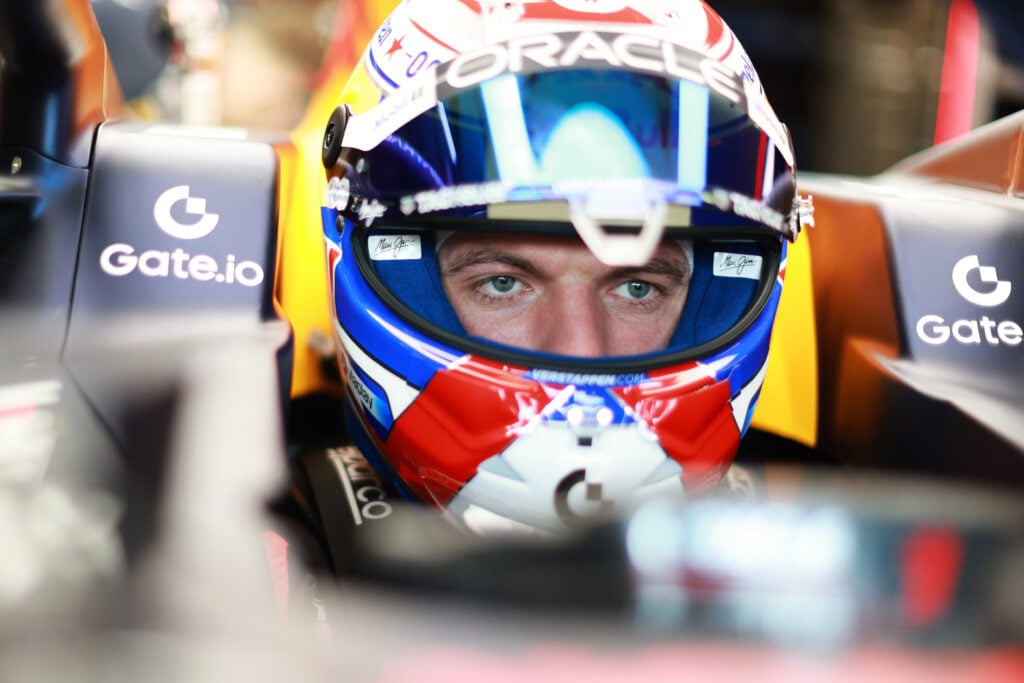 Max Verstappen of Oracle Red Bull Racing in Imola, Italy. (Photo by Mark Thompson/Getty Images)
Reaching first targets
Generally speaking, team principals and senior figures try to lower expectations during the winter break. Toto Wolff has already done his fair share of this for Mercedes over recent weeks.
This does not mean, however, teams will be exclusively negative about their 2026 prospects.
Speaking to Motorsport.com, Ford Performance director Mark Rushbrook is optimistic about the Red Bull engine:
“We are to plan, so where we need to be, but it all comes together when it’s actually in the car and on track…
“Because yes, existing engine manufacturers have all those years of experience. But it’s still a bit different again with these rules for 2026. And we’ve got a lot of experienced people that came in from other programs to find it together.
“So even if we’re a little bit behind with the combustion engine, we don’t think it’s going to be by much, and we’ll make up for it in everything else.”
Since Red Bull’s switch to a manufacturer team was confirmed, the 2026 season has been viewed with apprehension. This is still the case, with plenty of unknown variables likely to present themselves in the next year.
Still, Laurent Mekies’ team will enter next season with the belief that – whilst unlikely to set the benchmark – their engine will be good enough to put their aerodynamics department within striking range.
READ MORE: Lewis Hamilton’s extensive 2026 preparations with Ferrari revealed
Main photo: Mark Thompson/Getty Images (Red Bull Content Pool)