
Manitoba motorists are now legally required to give significantly more breathing room to snowplows and cyclists as a series of provincial traffic amendments officially took effect New Year’s Day.
The Highway Traffic Amendment Act, announced by Transportation and Infrastructure Minister Lisa Naylor on Jan. 1, introduces strict distance requirements for passing winter maintenance vehicles and sets a minimum safety buffer for passing bicycles.
“Our government is committed to road safety for all, and this bill introduces rules for drivers around snowplows and cyclists and gives tow truck drivers the ability to create a safe zone while working in traffic,” Naylor said in a statement.
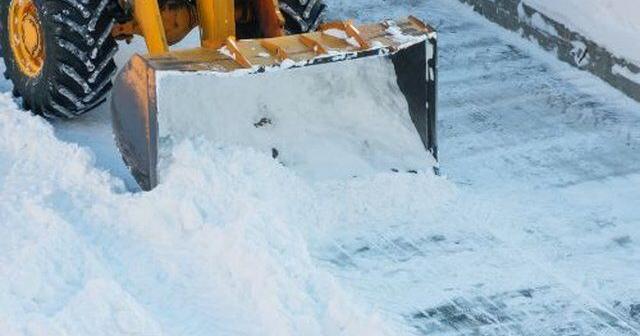
Under the new legislation, drivers approaching or passing a snowplow with its blue warning lights flashing must adhere to specific “stay back” distances:
High-speed roads: On highways with a speed limit above 80 km/h, motorists must stay back at least 100 metres.Lower-speed roads: On roads with a limit of 80 km/h or slower, the minimum distance is 30 metres.
Drivers are also prohibited from passing a plow if the view ahead is obstructed or if the maneuver risks interfering with the maintenance work.
The amendments also address long-standing safety concerns for vulnerable road users and emergency workers. Drivers must now leave at least one metre of space when passing a cyclist, a move that aligns Manitoba with provinces like Ontario and British Columbia.
Additionally, tow truck and roadside assistance operators have been granted the authority to use cones and signage to divert traffic and create “safe zones” while working on busy roadways.
Kyle Ross, president of the Manitoba Government and General Employees’ Union (MGEU), welcomed the changes on behalf of front-line workers.
“When winter storms hit, we know how dangerous Manitoba’s highways can be,” Ross said. “We welcome changes that recognize the importance of this work and make these workers’ jobs safer.”
The provincial government said the amendments were developed following extensive consultations with municipalities, law enforcement, and various industry advocacy groups. — Renée Lilley is a Local Journalism Initiative reporter who works out of the Portage Graphic. The Local Journalism Initiative is funded by the Government of Canada.
The Canadian Press. All rights reserved.