
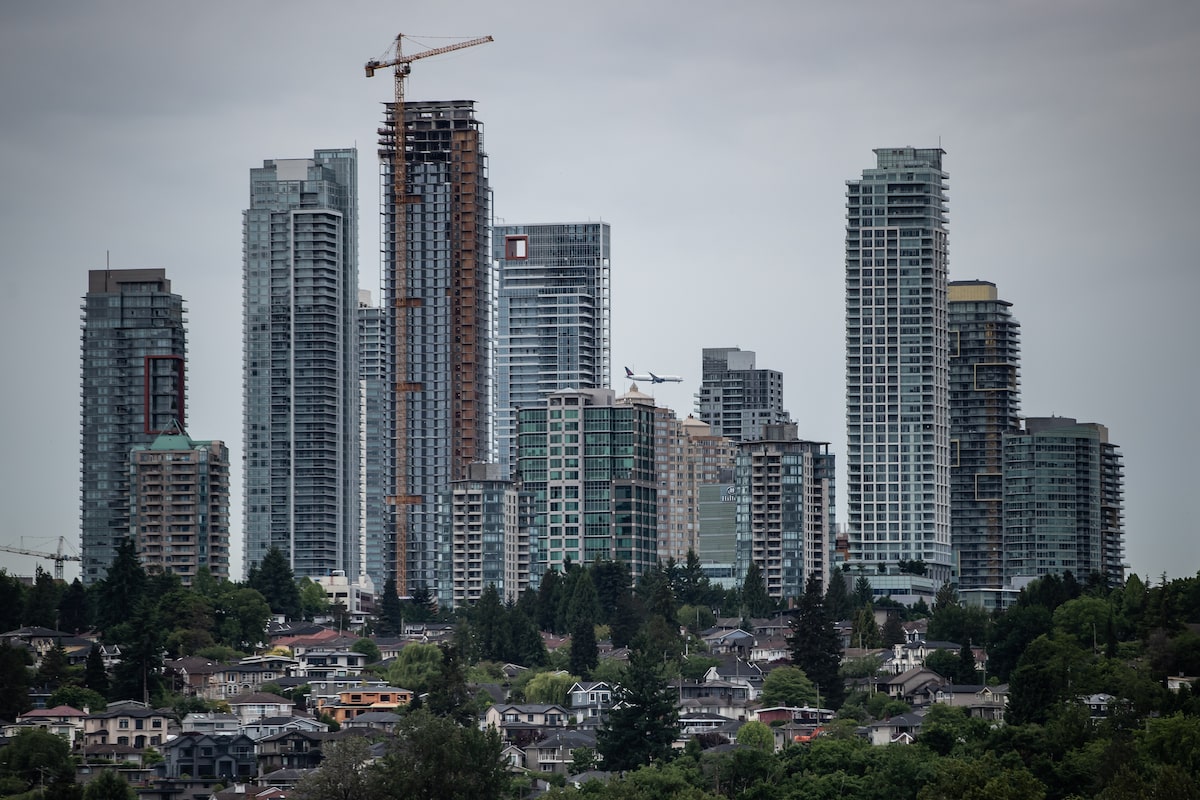
Minto Apartment REIT MI-UN-T, a sizable owner of rental properties across Canada, is going private in a deal valued at $2.3-billion, including debt, shielding the company from the quarterly scrutiny of public investors amid a multiyear real estate downturn.
Minto is being taken private for $18 per unit by Crestpoint Real Estate Investments LP, which will own 50.1 per cent of the company. Crestpoint is a division of Connor, Clark & Lunn Financial Group Ltd. Minto Group, controlled by the founding Greenberg family, will own 49.9 per cent.
Allied Properties REIT slashes distribution by 60 per cent as units trade near financial-crisis lows
The takeover price amounts to a 32-per-cent premium above Minto’s last closing price, but is still roughly 13 per cent lower than the REIT’s market price five years ago. The S&P/TSX Composite Index is up about 75 per cent over the same time period.
Minto Group has developed and owned real estate assets for decades, and the Greenbergs took their apartment division public in 2018. During its first few years on the Toronto Stock Exchange, Minto Apartment REIT’s unit price soared as multifamily assets benefitted from ultra-low interest rates and a supply crunch.
Yet the REIT, like many of its peers, has suffered since interest rates started rising in 2022. Lately, they are grappling with lower immigration levels and a flood of newly built condos that are lowering rents in major cities across Canada.
Because of these headwinds, unit prices for multiple publicly traded rental apartment owners have struggled, and this weakness limits their ability to sell new units to raise cash for acquisitions of more income-producing properties. In other words, it’s hard for them to grow.
“This transaction provides trust unitholders with near-term liquidity at a significant premium to the current trading price at a time when the operating environment is challenging and the capital markets remain sub-optimal for the Canadian multi-family sector,” Jonathan Li, the REIT’s chief executive officer, said in a statement.
The deal follows the privatization of InterRent REIT, a rival rental apartment owner, in May, 2025. InterRent was acquired by its executive chair, Mike McGahan, with the backing of Singapore sovereign wealth fund GIC.
When Minto went public in 2018, the market conditions were vastly different.
Before the COVID-19 pandemic hit, rental apartments, which are also known as multifamily properties, were some of the most coveted commercial real estate assets in Canada. The country had hardly seen any new rental development for years, and roughly 80 per cent of Canada’s entire supply of apartment buildings was at least three decades old.
At the same time, immigration coupled with natural domestic demand vastly outstripped new supply. With such a mismatch, building owners were seeing rent increases as high as 30 per cent when tenants turned over.
Although the early days of the pandemic were troublesome, government stimulus helped renters make their monthly payments and the apartment sector soared through 2021 and early 2022 because interest rates were low and the Trudeau government had plans to accept more immigrants.
Minto Apartment REIT’s unit peaked around $26 per unit in July, 2021.
Although the real estate supply crunch persists in general, higher interest rates made made mortgages much expensive, and many developments went into receivership, spooking public investors.
Ottawa also did an about-face on immigration, and in the third quarter of last year Canada’s population dropped by roughly 76,000, the largest decline this country has seen in records dating to the 1940s.
While this dynamic plays out, a flood of newly-finished condo projects have also hit the market, particularly in Toronto, and the supply is putting pressure on rents, which are now falling. Developers of new rental apartment buildings are facing the same crunch.
Minto predominately operates in Toronto, Ottawa and Montreal, and it tends to own higher-end buildings that compete with the new condo supply. In the third quarter of 2025, Minto’s average market rent in Toronto was $2,353 per month.
More condo completions are expected over the next two years, subduing rents, but new projects are getting cancelled because of the current market dynamics. Across the industry, consultants and developers track earlier-stage projects, and many say rental starts have plummeted around 60 per cent, The Globe reported in August.
In four to five years, then, major cities are expected to face a severe supply shortage. However, public investors rarely look that far out.
Private owners, meanwhile, are designed to show patience, and Crestpoint appears to be betting on this longer-term turnaround.