
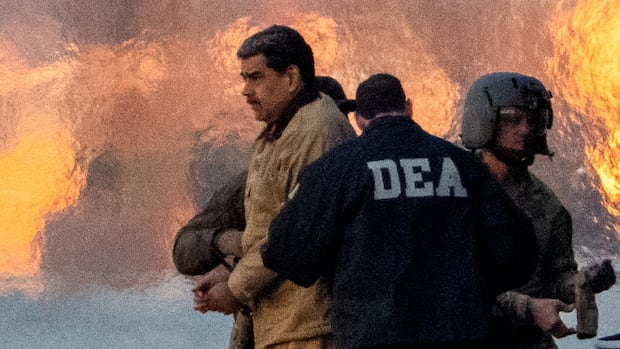
It was the largest U.S. military intervention in Latin America since the 1989 invasion of Panama, and its most assertive action to achieve regime change since its 2003 invasion of Iraq.
On Saturday, the U.S. hit Venezuela with what it described as a “large-scale strike” and captured Venezuelan president Nicolás Maduro and his wife, Cilia Flores, accusing them of participating in a narco-terrorism conspiracy.
This came after months of stepped-up pressure by Washington, including intercepting oil tankers off Venezuela’s coast, and targeting smaller boats said to be carrying drugs.
Now that we’re at a crisis point — with the United Nations saying U.S. President Donald Trump’s weekend invasion contravened its charter and with Maduro appearing in a U.S. court — you might be wondering how we got here.
“I have to say, that after years and years of seeing the damage Nicolás Maduro did to his country… there’s certainly a tremendous sense of relief that he’s gone, and a hope for a better Venezuela that begins,” Canada’s former ambassador to Venezuela, Ben Rowswell, told CBC News Network this weekend.
“But [it’s] a terrible, terrible way to bring about this change.”
So, how did Venezuela fall apart? Why is Trump involved now? And what happens next?
Let’s break it down.
WATCH | The reality of Trump’s plan for Venezuela’s oil: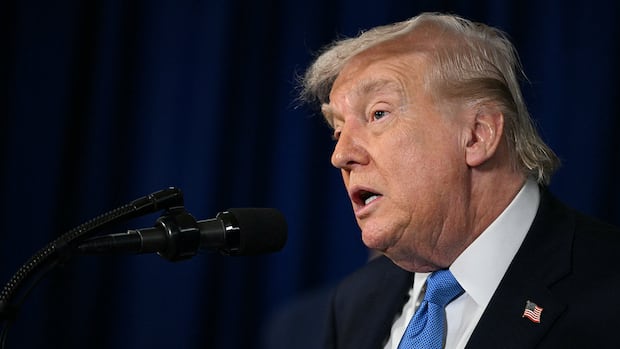
Breaking down Trump’s plan for Venezuela’s oil
U.S. President Donald Trump wants to use American companies to get oil flowing in Venezuela and make everyone rich, but it’s likely not as easy as it sounds. CBC’s Eli Glasner breaks down the reality of Trump’s plan and how long it could take to amp up oil production. The perils of a ‘petro-state’
The first thing you need to understand is that Venezuela has the world’s largest estimated oil reserves, but its crude output remains at a fraction of capacity due to decades of mismanagement, lack of investment and U.S. sanctions.
On paper, Venezuela “should be one of the world’s great energy powers,” notes Forbes magazine, yet it has “spent more than a decade in economic collapse.”
What happened is a cautionary tale on the risks of becoming a petro-state, which describes a government that’s highly dependent on fossil fuel income, with concentrated power and widespread corruption, says the Council on Foreign Relations, a U.S. think-tank.
Venezuela holds about 17 per cent of global reserves or 303 billion barrels, ahead of Saudi Arabia, according to the London-based Energy Institute.
Its reserves are made up mostly of heavy oil in the Orinoco region of central Venezuela, making its crude expensive to produce but technically relatively simple, according to the U.S. Energy Information Administration (EIA), a semi-independent agency under the U.S. Department of Energy.
In the mid-2000s, Venezuelan president Hugo Chavez accelerated the nationalization of its industries by imposing punishing contracts on foreign oil companies, and big names like U.S.-based Exxon Mobil left the country.
When oil prices plunged to below $30 US per barrel in 2016, Venezuela went into an economic and political spiral, according to the Council on Foreign Relations. Meanwhile, its struggles with electricity production have repeatedly hampered mining and oil operations, explains Reuters.
The country was producing as much as 3.5 million barrels per day of crude in the 1970s, which at the time represented more than seven per cent of global oil output, according to Reuters. Production fell below two million bpd during the 2010s and averaged 1.1 million bpd last year, or just one per cent of global production.
The U.S. has imposed sanctions on Venezuelan individuals and entities since 2005, according to the EIA, but began to grant exemptions in 2022.
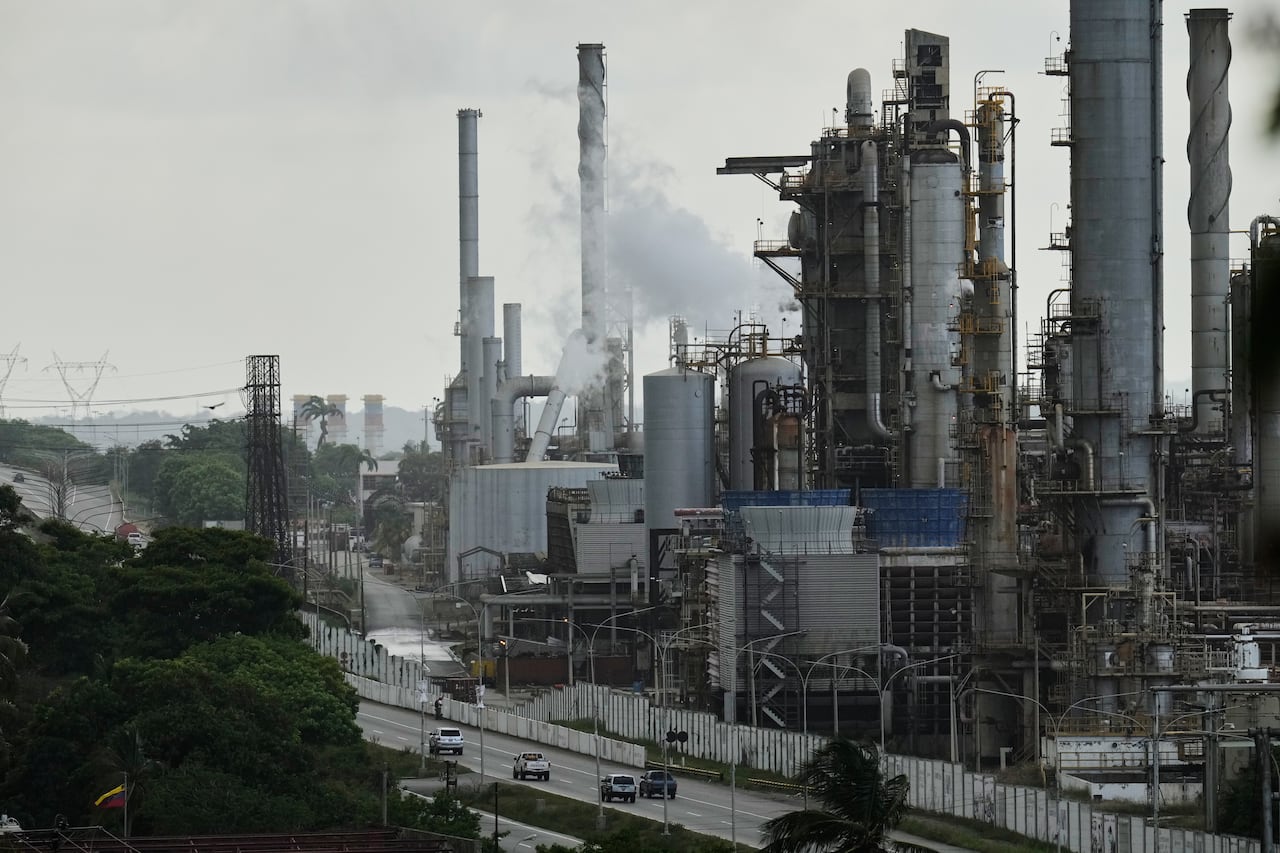 Vehicles drive past the El Palito refinery in Puerto Cabello, Venezuela, on Dec. 21, 2025. (Matias Delacroix/The Associated Press)Maduro’s rule, and economic collapse
Nicolás Maduro became Venezuela’s president in 2013 after his predecessor, Hugo Chávez, asked his supporters to vote for Maduro after his death.
As the Associated Press explains, Maduro’s presidency was marked by a complex social, political and economic crisis that pushed millions into poverty, drove more than 7.7 million Venezuelans to migrate and put thousands of real or perceived government opponents in prison, where many were tortured, some at his direction.
His rule became best known for allegedly rigged elections, food shortages and rights abuses, including harsh crackdowns on protests in 2014 and 2017.
Under Maduro’s watch, Venezuela’s economy shrank 71 per cent between 2012 and 2020, while inflation topped 130,000 per cent. At one point, oil production dropped to less than 400,000 barrels a day.
WATCH | From 2017, violence in Venezuela: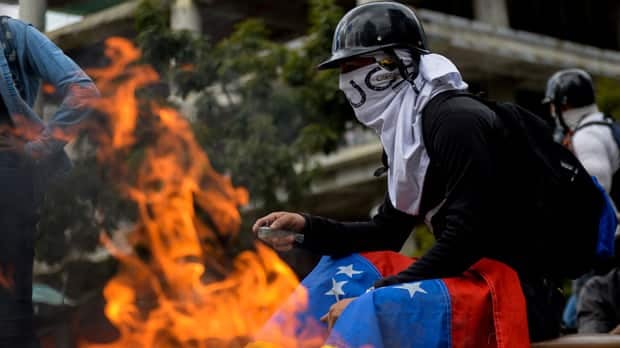
Violence in Venezuela highlights ongoing crisis
Tensions in Venezuela continue to simmer following a failed military insurrection and subsequent protests, as political chaos and a crumbling economy plague the country.
Inflation and severe shortages of food and medicines affected Venezuelans nationwide. Entire families starved and began migrating on foot to neighbouring countries. Those who remained lined up for hours to buy rice, beans and other basics. Some fought on the streets over flour.
Maduro’s government was subject to aggressive sanctions by the U.S. and other powers. In 2020, Washington indicted him on corruption and other charges. Maduro rejected the accusations.
He was sworn in for a third term in January 2025 following an election that was widely condemned by international observers and the opposition as fraudulent. Thousands of people who protested the government’s declaration of victory were jailed.
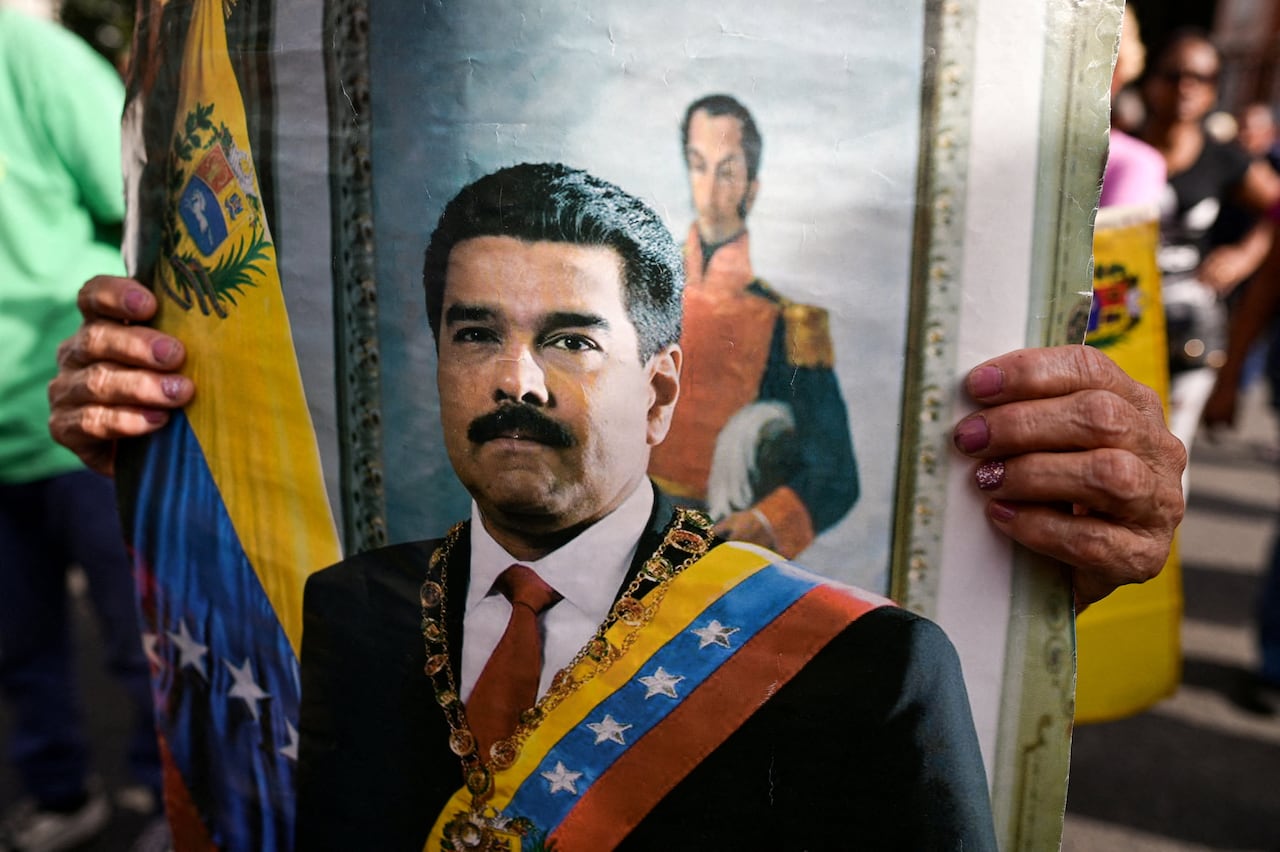 A person holds an image of Venezuelan president Nicolas Maduro as government supporters gathered following a U.S. strike on Venezuela. Maduro and his wife, Cilia Flores, were captured in Caracas. (Gaby Oraa/Reuters)U.S. pressure and oil aspirations
Maduro’s arrest was the culmination of months of stepped-up U.S. pressure on various fronts.
Since September, U.S. forces had killed more than 100 people in at least 30 strikes on alleged drug trafficking boats from Venezuela in the Caribbean and Pacific, which legal experts said likely violated U.S. and international law.
As CBC News previously reported, Trump’s pressure campaign on Maduro began with the stated purpose of stemming the flow of illegal drugs but has developed into something more amorphous.
In December, Trump announced a “blockade” of all oil tankers under sanctions entering and leaving Venezuela. That escalation came after U.S. forces seized an oil tanker off Venezuela’s coast, an unusual move that followed a buildup of military forces in the region. They captured more tankers later in the month.
Trump alleged Venezuela was using oil to fund drug trafficking and other crimes and vowed to escalate the military buildup.
PHOTOS | Scenes from Venezuela after U.S. raid:
On Saturday, U.S. Special Forces swooped into Caracas by helicopter, shattered Maduro’s security cordon and dragged him from the threshold of a safe room.
On Sunday, Trump told reporters on Air Force One that American oil companies will return to Venezuela and rebuild the sector’s infrastructure. Later, he told reporters, “we’re going to take back the oil that frankly we should have taken back a long time ago.”
“We’ll run it properly, we’ll run it professionally, we’ll have the greatest oil companies in the world going in and investing billions and billions of dollars.”
But Roxanna Vigil, an international affairs fellow at the Council on Foreign Relations, told CBC News Network it will take years to reverse the long decline of Venezuela’s oil sector and that it’s not clear how the Trump administration intends to move forward.
“I have some big concerns about what comes next,” Vigil said.
WATCH | What’s next for Venezuela?: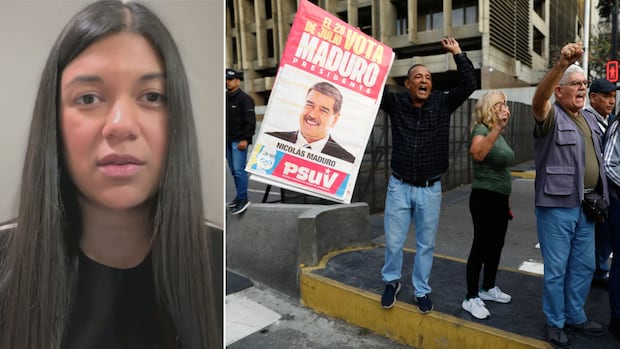
What’s next for Venezuela and its hard-hit oil sector after Maduro capture?
Roxanna Vigil, an international affairs fellow at the Council on Foreign Relations, says she has concerns about what comes next in Venezuela after the U.S. captured President Nicolás Maduro and his wife, Cilia Flores, early Saturday. Vigil says it will take years to reverse the long decline of Venezuela’s oil sector and that it’s not clear how the Trump administration intends to move forward.