
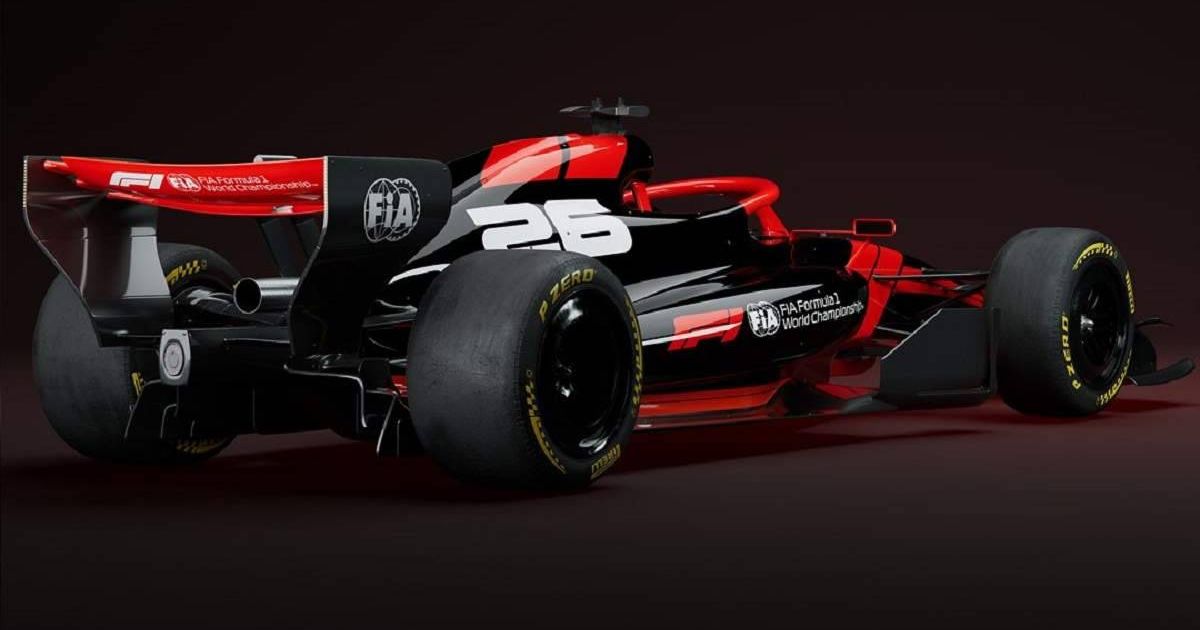
As we edge closer towards the 2026 Formula 1 season and its new regulations, there are still many questions about what to expect on many fronts: drivers, teams, and the racing.
Formula 1 will debut a fully overhauled set of regulations for 2026 with new power units made up of V6 turbo internal combustion engines as well as an electric component that work together, delivering power on a 50/50 basis.
The chassis will also be new, with slightly lighter and smaller cars, as the Pirelli tyres will be narrower, with moveable aero parts on both front and rear wings being introduced as we bid farewell to DRS.
The massive changes mean all teams will be starting from scratch, as the way they go racing is a big unknown.
Drivers will be expected to do a lot of management while driving as they get to grips with new driving modes like boost and overtake.
Jacques Villeneuve, the 1997 Formula 1 Champion, touched on the new rules in 2026; he said: “The gaps in 2026 will be bigger.
“The strategies will be very different because they will have to use their battery and their movable wing and so on. So, there’s a lot of things we’ll discover.
“We don’t know what to expect,” he added. “That’s the thing. “It could be great, it could be off.
“Let’s hope it’s great. It’s a big change, and it will be a big change in approach on how they race.
“Not every driver will adapt to it well, not every team will adapt to it well,” the Canadian predicted in conclusion.
The teams will be testing their new cars in Barcelona betwen January 26 and 30.
This will be a closed test that will be followed by two open test in Bahrain (February 11-13, February 18-20).
The first race of the 2026 Formula 1 season will be held in Melbourne on March 8. (Source: PokerScout)