
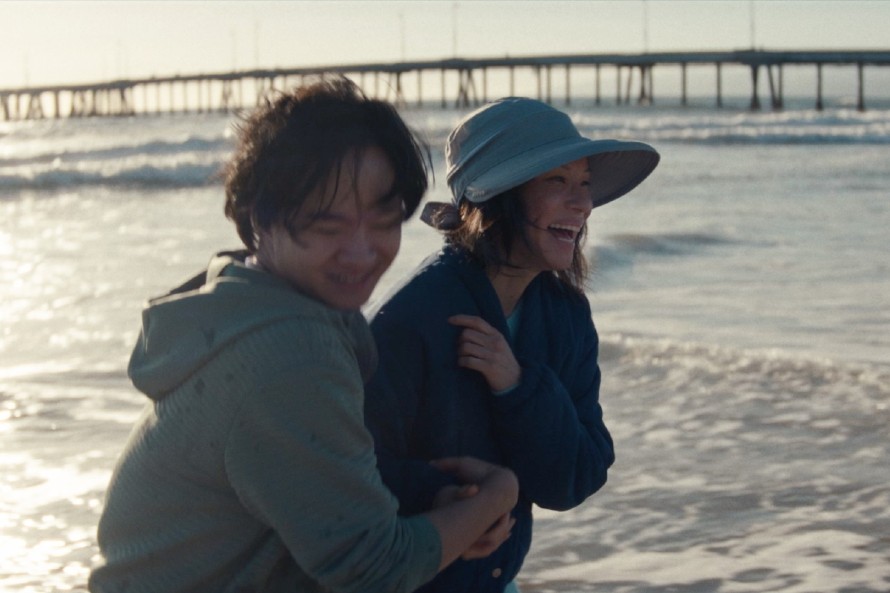
How much can a filmmaker blur the line between documentary and fiction? Based on true events, Rosemead tackles the story of a terminally ill widow, Irene Chao (Lucy Liu), struggling to care for her mentally ill teenaged son, Joe (Lawrence Shou).
It’s taboo to talk about having mental illness in the Chinese community, especially for older generations — something usually ignored, and, even more critically, hidden from your peers to maintain your pride. When Irene grows increasingly concerned about the potential danger of her son’s schizophrenia, she goes to great lengths to get her affairs in order before she runs out of time.
There’s only so much that an outsider can assume about the true story. Rosemead carries the responsibility of filling in those gaps and exploring the desperate thoughts of a dying mother. Liu plays Irene with compassion, but she isn’t given enough to work with in the screenplay (written by Marilyn Fu).
The film contains many missed opportunities to build upon the fictionalized drama and dive into Joe’s fascination with violence or Irene’s sureness of her actions.
“Burn all of our pictures,” Irene requests of her best friend over the phone just before the pivotal final scene. A direct reference to the true events it draws from, director Eric Lin acknowledges that, by creating this film, he doesn’t respect the final wish from a dying mother.
Unfortunately, shame fuels Irene’s wish to disappear, but Lin creates this story because he believes that her shame is misguided, and her family deserves to be remembered. Lin shares context so that the viewer can empathize with her unforgivable actions. In a film where the characters keep secrets from each other at an unfortunate cost, perhaps Lin demonstrates that there was nothing to be ashamed of in the first place. Mental illness exists even behind closed doors, and maybe had Irene not felt like it had to be hidden away, she might have been able to see more of the options available.
At times, Rosemead gets frustratingly close to grasping at something meaningful, seemingly hesitant to get past the surface and fully address at least one of the issues posed. With a 97-minute runtime, the pacing feels stilted until it races to the end in the last quarter.
Irene and Joe leave much unsaid between them, and, in the end, the audience remains in the dark as well. Such is real life — we don’t always get to know the truth of what happened — but it does leave viewers unsatisfied when it comes to the magic of film. Perhaps that’s the point Lin makes with Rosemead.
Many cultures don’t want to address mental health, and we avoid having proper conversations about it. However, younger generations are lifting the stigma and accepting the bad that can sometimes come with the good, and Rosemead represents one of the ways that we can keep moving towards that goal.