
What to know
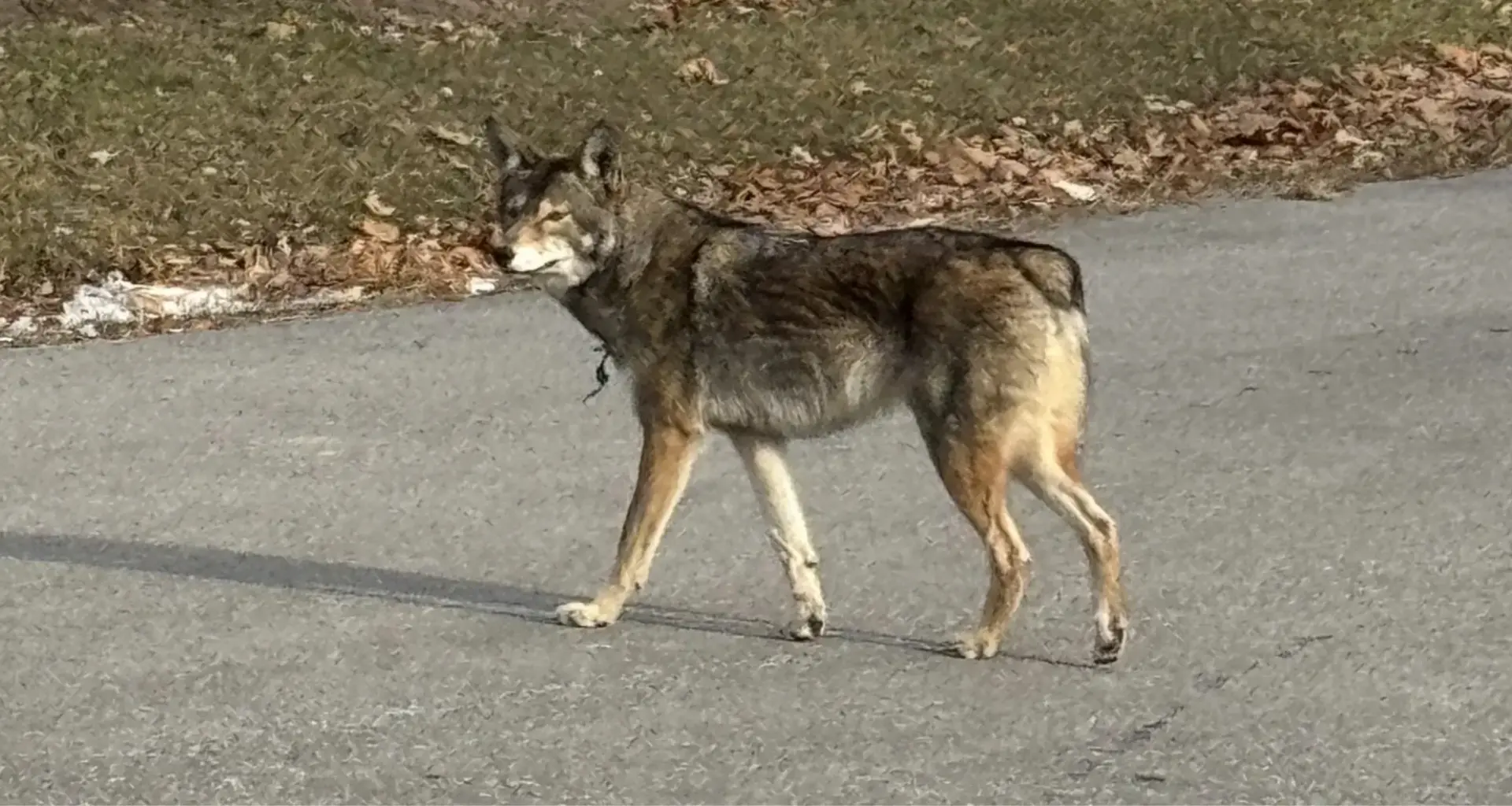
Toronto locals have affectionately nicknamed a tailless coyote “Bunny,” who has become a well-known fixture in city green spaces and neighbourhoods.
Sightings of Bunny highlight her calm demeanor and remarkable adaptation to urban life, with reports of her napping in parks, hunting squirrels, and even waiting for traffic signals.
City wildlife photographer James Beaton and residents have shared encounters online, celebrating her as a “Toronto treasure” while noting her deep familiarity with the city’s geography.
Officials urge caution: never approach or feed coyotes, keep dogs leashed, and follow city guidance to safely coexist with urban wildlife.
One thing about Torontonians: they love a furry mascot. Locals have affectionately dubbed a tailless coyote spotted around the city “Bunny,” but city officials are urging the public to keep their distance.
Whether you’ve roamed along the Lakeshore, strolled through High Park, run errands in Liberty Village, or made your way to work in Etobicoke, there’s a good chance you’ve crossed paths with Bunny – a female coyote who appears just as accustomed to the city’s hustle and bustle as the people who live in it.
Over the past year and as recently as this week, sightings of the tailless coyote (also identifiable by netting hanging around the neck area) have spread across Toronto, with many residents noting her unusually calm demeanor. She tends to ignore humans altogether, instead spending her time napping in green spaces or hunting squirrels. Others have been struck by just how well she seems to navigate urban life, with reports of her waiting for traffic signals before crossing busy roads.
City wildlife photographer James Beaton snapped photos of her last fall, describing her as a “Toronto treasure” on a post shared to Instagram and his blog.
“She also knows the geography of the city better than any of us,” he wrote. “Even though she may not have a specific territory within the city, she knows the travel corridors, the food sources, and the places to rest.”
Others chimed in online, sharing their experiences of the unorthodox city dweller.
“One time, I had a customer call me at work and suddenly they went into a panic and said ‘Oh my God, there is a wolf at Burger King,’” they explained in Beaton’s comment section. “I fervently asked if the wolf had no tail to confirm her identity. I hope Bunny continues to do okay. She is truly resilient as you say!”
One person said they encountered Bunny sometime in the spring last year. “She came around the corner, saw me, sat down and scratched, looked around for a few moments and carried on her way,” they wrote.
Toronto is no stranger to affectionately naming popular animals observed across the city. Last year marked 10 years since the death of Conrad the raccoon, whose body was left on a sidewalk for 14 hours, and in turn sparked a viral moment online for residents.
Read More
The City of Toronto assures it’s very normal to encounter wild animals, from foxes to raccoons to deer. But coyotes especially have adapted very well to life in the city, it shared with Now Toronto, as food and shelter are plentiful and natural predators are limited.
The city laid out a list of tips on how Torontonians can continue to maintain healthy boundaries with coyotes for safe coexistence:
Never feed coyotes.
Keep your dog on a leash at all times.
If you see a coyote, do not run. Instead, make noise to scare them away.
Always dispose of garbage properly and do not leave trash outside of bins.
Remove all waste before leaving parks.
Do not approach coyotes, their dens, or their young.
Never touch a coyote, even if they appear tame, sick, or injured
On Wednesday, the city also released a video on what to do if a coyote approaches you.
And overall, the city stresses that the animals are naturally timid and often will flee when confronted assertively. Therefore, if residents ever come face-to-face with a coyote, remember to stay alert and never turn your back towards them.