
Most goods not affected by tariff increase
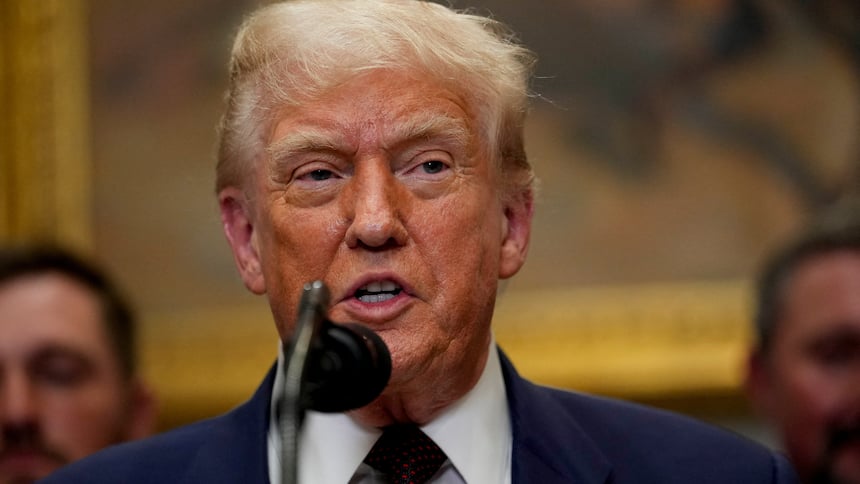
U.S. President Donald Trump has once again raised tariffs on Canadian goods entering the United States.
A tariff is a special type of tax on imported products.
On July 31, Trump increased tariffs on any Canadian goods that don’t meet the terms of a previous trade deal — the Canada-U.S.-Mexico Agreement (CUSMA) — to 35 per cent.
The previous rate set by Trump in March was 25 per cent.
The vast majority of Canadian goods comply with CUSMA and aren’t affected by Trump’s new tariff increase.
The new tariff increase applies to things like lumber, steel, aluminum and automobiles — which are all important industries for Canada.
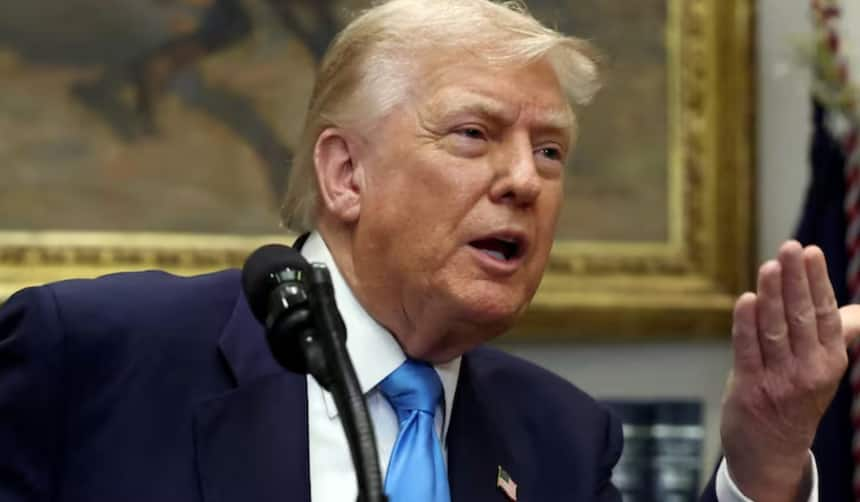
U.S. President Donald Trump says he’s increased tariffs on some Canadian goods because Canada isn’t doing enough to tighten border security. (Image credit: Evelyn Hockstein/Reuters)
To increase the tariffs, Trump signed something called an executive order, which allows a president to make big changes quickly without having to consult U.S. lawmakers.
Critics have said Trump is abusing this power.
Trump justified the new tariffs by claiming that Canada hasn’t been doing enough to stop a dangerous drug called fentanyl from entering the U.S. through the Canadian border.
Prime Minister Mark Carney says that’s false.
“Canada accounts for only one per cent of U.S. fentanyl imports and has been working intensively to further reduce these volumes,” he said in a statement.
“Canada’s government is making historic investments in border security to arrest drug traffickers, take down transnational gangs and end migrant smuggling.”
Trump said that he is open to further talks with Canada around tariffs.
Want to learn more about tariffs and how they work? Check out the video below.
Have more questions? Want to tell us how we’re doing? Use the “send us feedback” link below. ⬇️⬇️⬇️
TOP IMAGE CREDIT: Kent Nishimura/Reuters