

The world’s first set of digital colour-changing nails, a lollipop that plays pop music through your bones, bionic ankles and a lock opened by veins are some of the more left-field ideas on show at CES in Las Vegas this year.
The annual jamboree for the tech industry attracts big companies selling their TVs, computers and semiconductors, but also entrepreneurs hoping to catch the eye of investors and customers.
Troy Fohrman from Florida is hoping to shake up the cosmetics industry with iPolish, acrylic, press-on nails, which can change colour digitally into hundreds of hues.
• The high-tech scales that will give you a ‘longevity score’
The company said it wants to make changing your nail colour as easy as changing the song on a playlist.
Fohrman said the idea came to him after watching an action movie. At the time he was working for a drug company trying to invent a polymer for delivering medication through the skin and was testing it on chicken carcasses.
“I was tattooing chickens to prove that the system worked … and they started changing colour, so I could not sleep. I was very frustrated. I was up late at night and I caught a movie called Total Recall with Arnold Schwarzenegger. There’s a scene in there where a secretary holds up her fingers, touches her fingernails, and they change colour. And that was where the original concept came from,” he said.
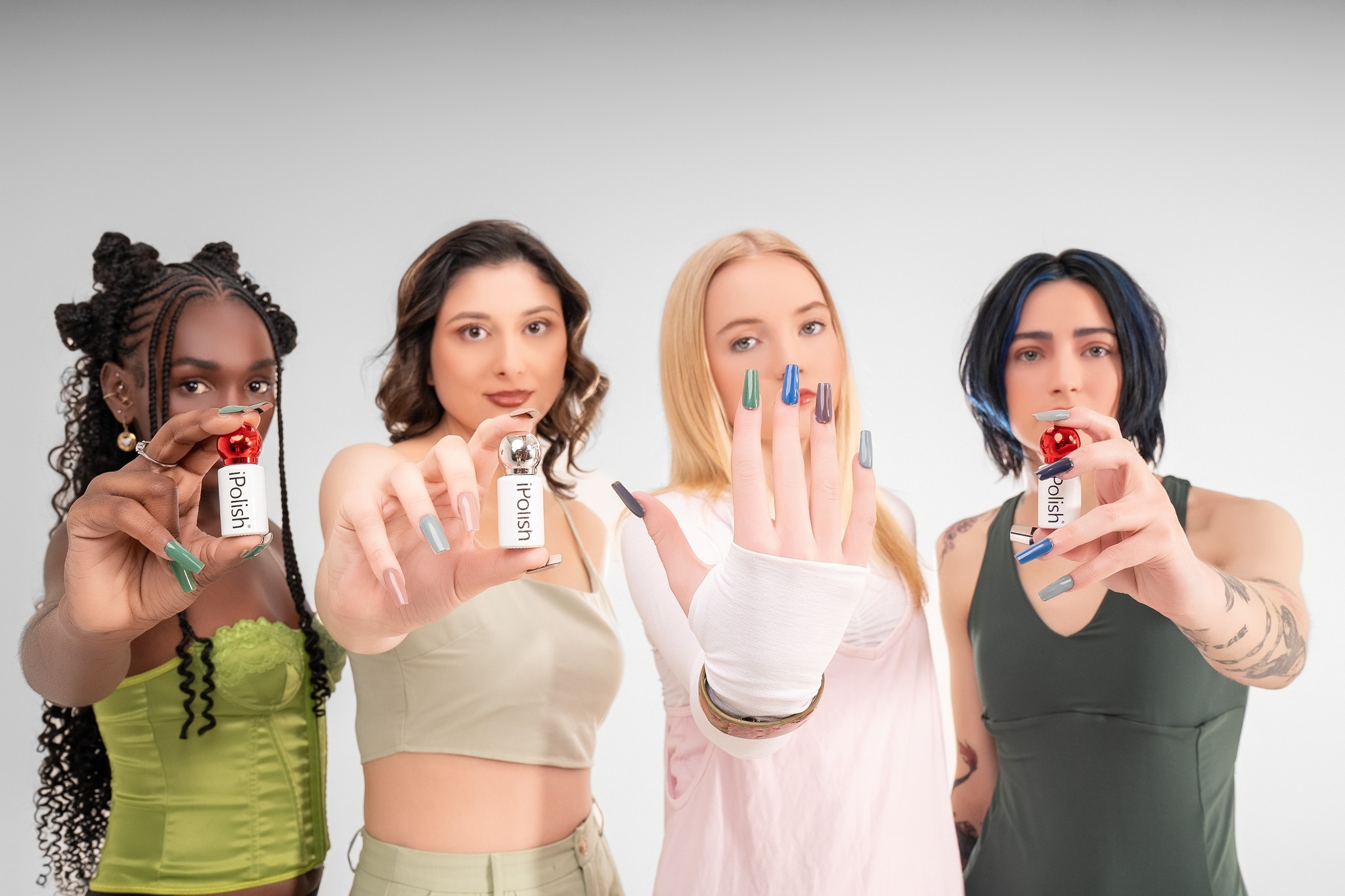
Makers of iPolish say users can change the colour of their nails by tapping an app and using a “magic wand”
JAY GARCIA
The nails have a special coating, developed by a co-founder who formerly worked at the space company Blue Origin, which reacts to different voltages. When the wearer wants to change colour, they select it on a smartphone app and put the nail into a “magic wand” unit that delivers the voltage and access to 400 different colours. It costs $95 to get started, with refill packs of nails costing $6.50. These are needed every two weeks as the natural nails grow.
The Chinese company Lava Tech may have won the prize for the novelty throwaway item with Lollipop Star, a sweet that plays pop songs as you suck. The sound travels through your teeth and into the ear through bone conduction technology.
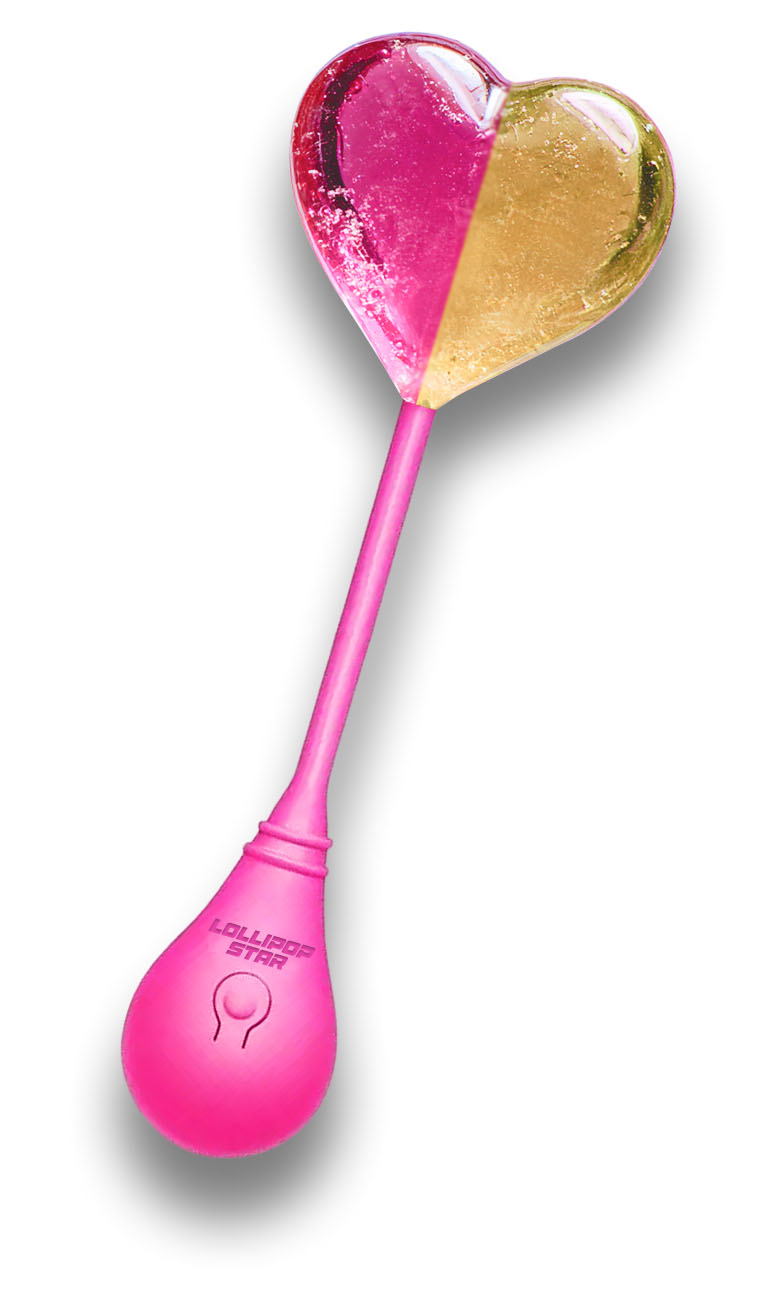
A musical lollipop from Lava Tech
LAVA TECH
The company has secured deals with Akon, Ice Spice and Armani White to bring sweet pop music to your mouth. The Times tested a peach lollipop that played Ice Spice’s Baddie Baddie in the name of journalism.
For people who find sharpening knives a chore, the UltraSonic chef’s knife may be the solution. It has a button on the side that makes the Japanese steel blade vibrate imperceptibly so it slices through tomatoes smoothly and prevents food from clinging to the metal.

Seattle Ultrasonics’ vibrating chef’s knife
JAMES ATOA/UPI/SHUTTERSTOCK
Crystals in the handle expand and contract, creating shock waves that make the blade move 10 to 20 microns, which is about a quarter the width of a grain of salt. It does this 40,000 times per second, but without making a noise or vibrating the handle. This means 50 per cent less effort is needed to cut, its Seattle-based developers claim.
Using a humble key to unlock a front door seems passe when you walk through the show. Smart locks from Lockin and Ultraloq now use biometrics like finger and palm veins or facial recognition to unlock. Add a keypad, smartphone and fingerprint scanners as other forms of entry and the days of losing keys may be over.
AI listening devices were everywhere. First appearing as pendants (Limitless) that record conversations and spontaneous thoughts for transcription, they are now being camouflaged as rings (Vocci), jewellery (Nirva) and clothes pins (Plaud). Speaker beware.
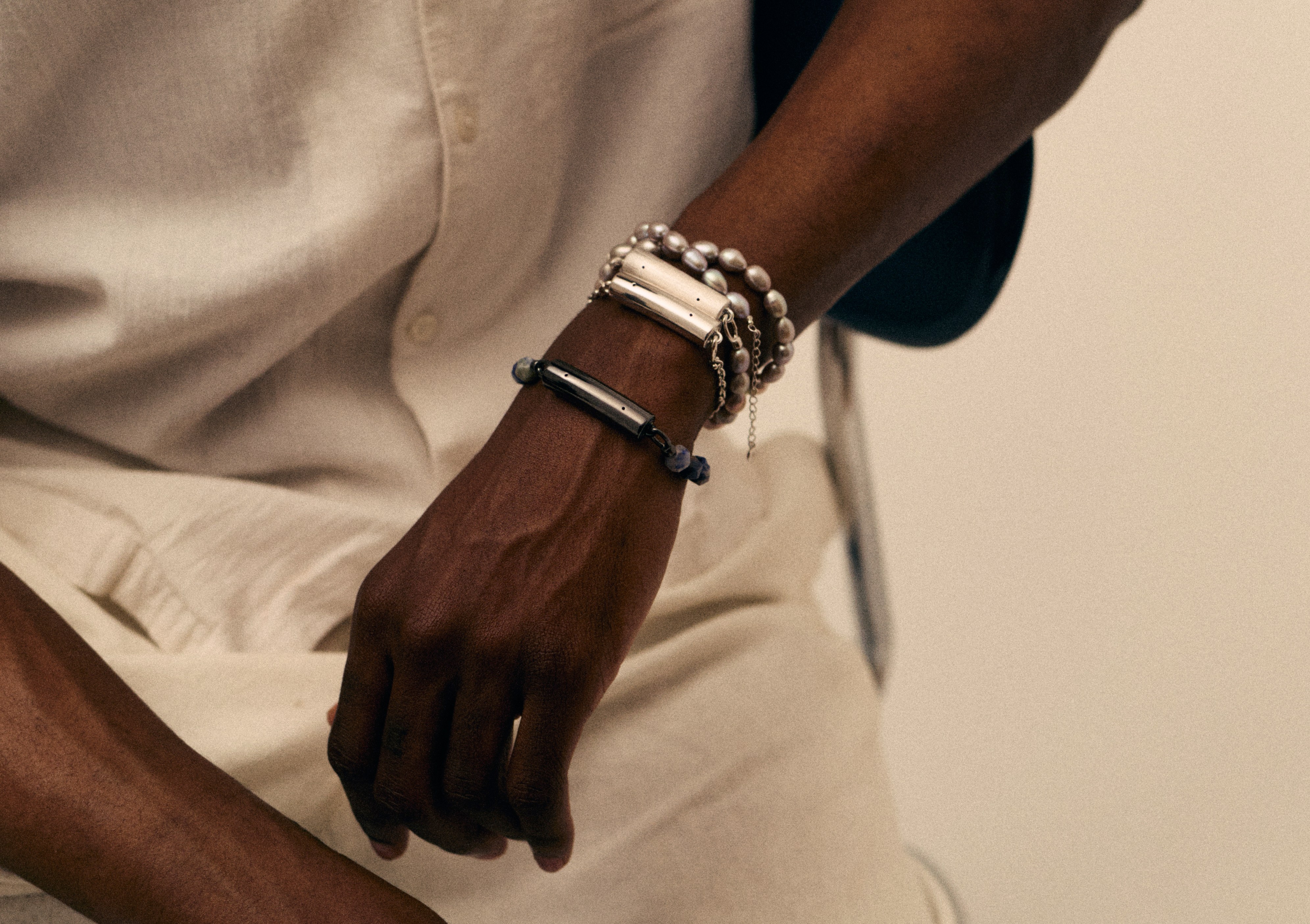
Nirva is a listening device disguised as jewellery
HAOWEI LU (ALEX LV)
CES 2026 also saw the rise of the exoskeleton, with delegates marching around the show floor testing the devices that are aimed at those who need mobility assistance or athletes wanting a boost.
The Dephy Sidekick is a bionic ankle developed by Luke Mooney, a biomechanics PhD from MIT. He has teamed up with Nike and their motorised footwear unit called Project Amplify.
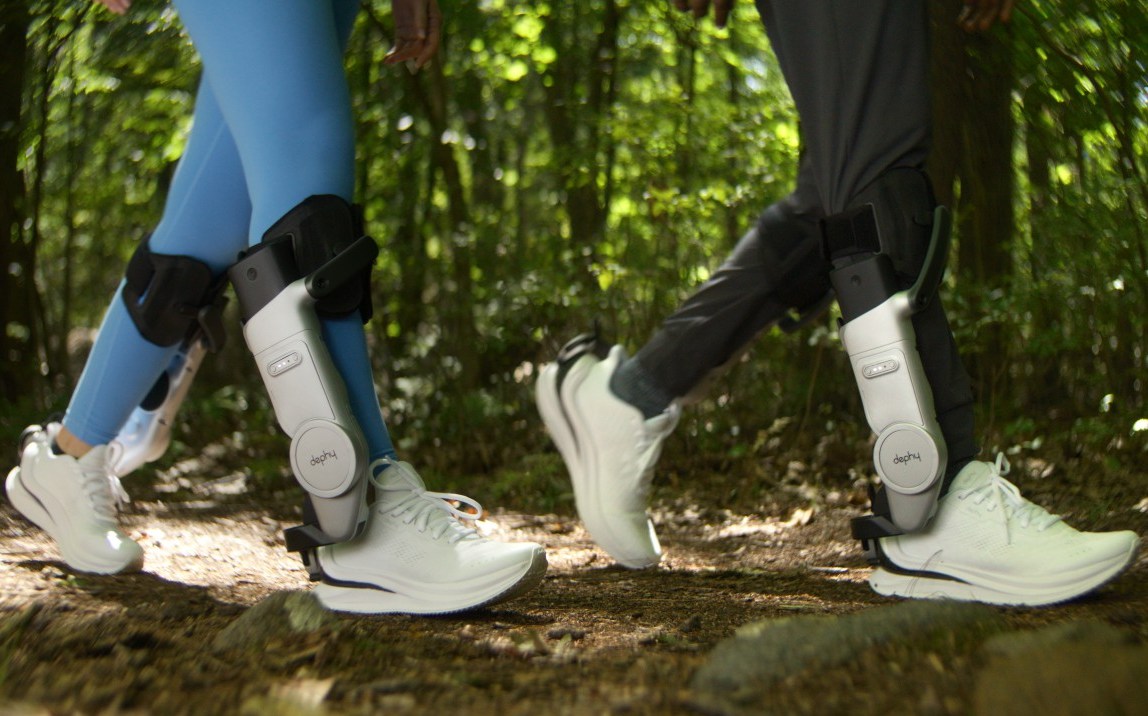
Mooney said: “Think of it like an e-bike for the walker. It gives you a boost with every step you take. The reason we targeted the calf is because it’s really the most important muscle for a walker; about 60 per cent of the energy we generate comes from our ankle pushing off the ground.”
All of which comes at a price: $4,500. Early adopters include people who go on cruises but previously couldn’t explore the cities once they docked.
For personal security, a US start up had developed the Timeli, a torch that at the press of a button starts a high-definition live video stream to an emergency dispatcher, transmitting your location, name and description.
“If a guy hops out of the bushes with a knife, the dispatcher is seeing what you’re seeing in real time,” says Colin Burke McClure, an adviser to the company. The product is only available in the US, however, because of the structure of its emergency services.
No tech show seems complete now without a range of cuddly robot companions. This year’s standout award goes to Skateboard Penguin:
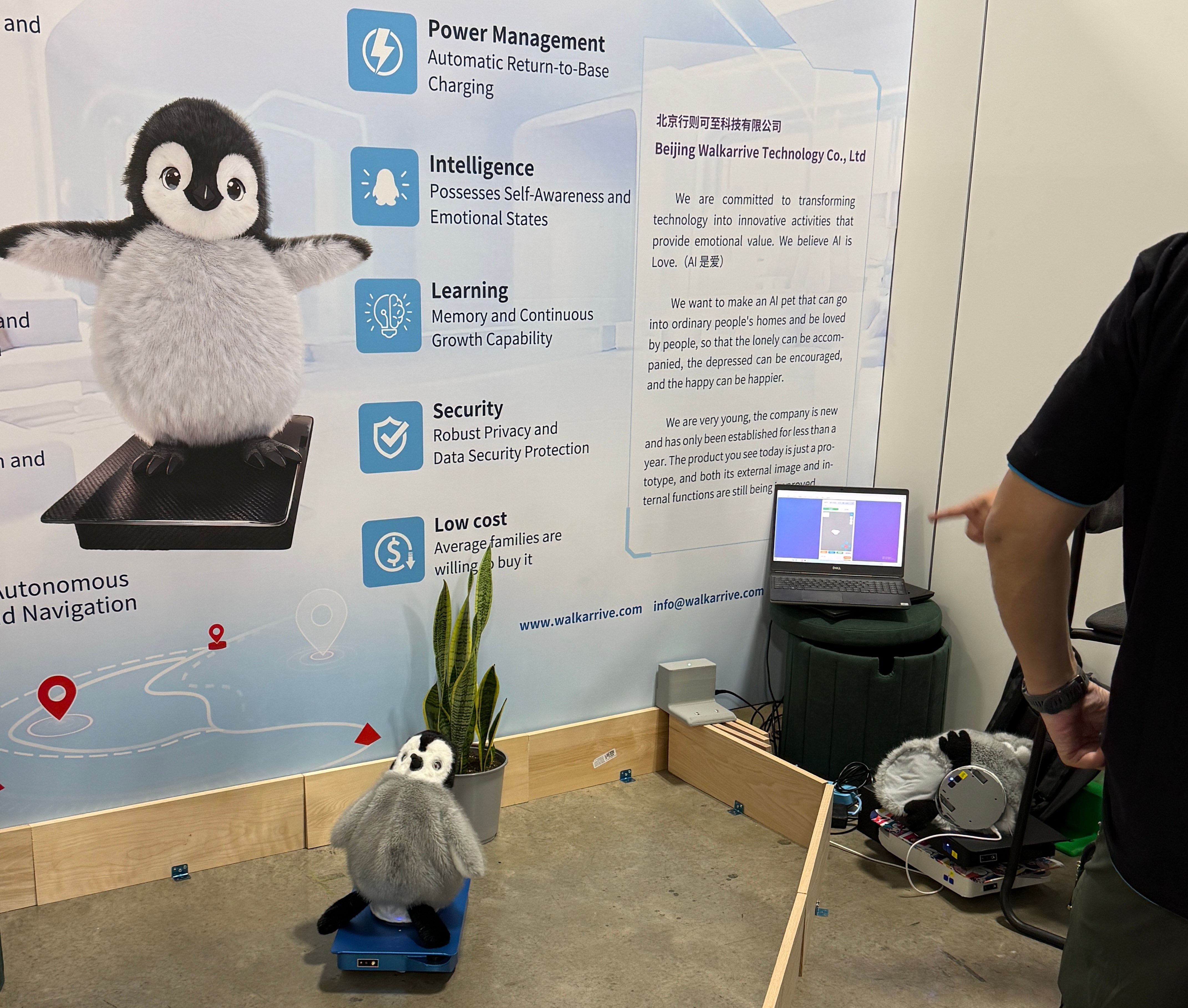
This AI “pet” greets you on arrival at home, follows you around the house, chats and dances with you.