
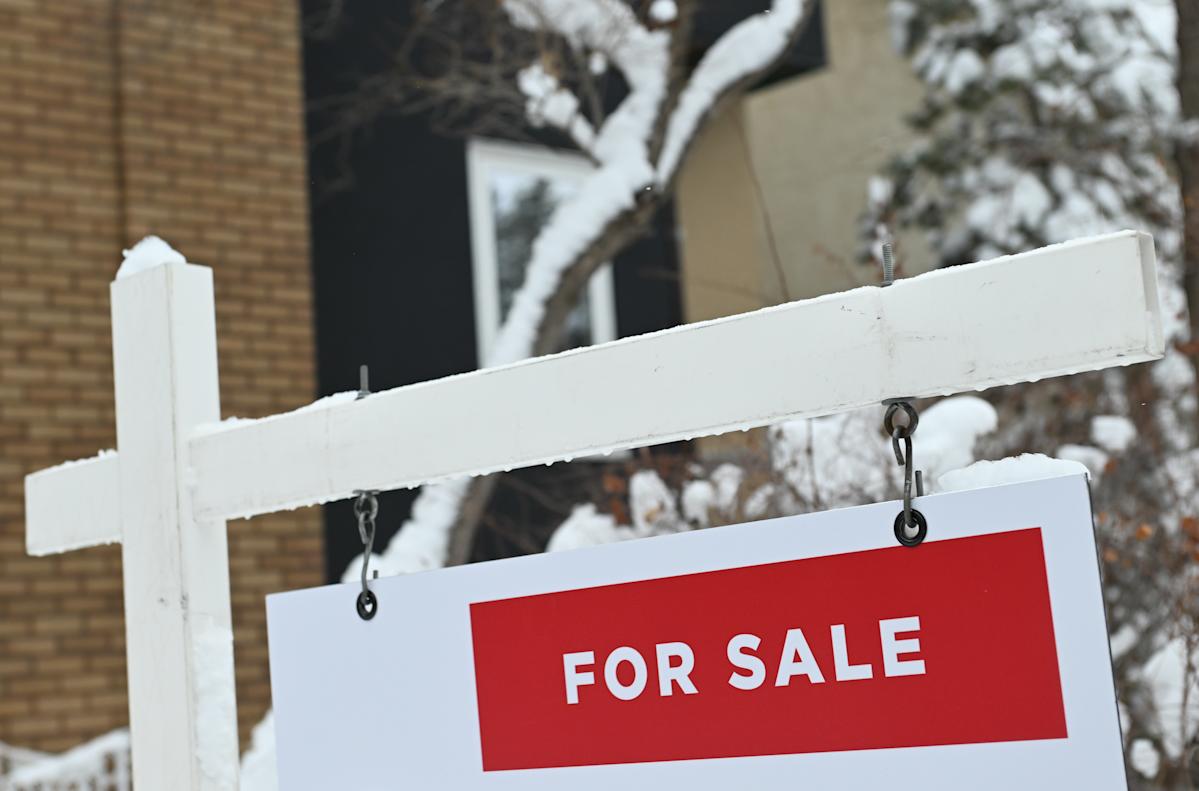
As mortgage rates stabilize, prospective homebuyers who have been waiting on the sidelines may find now is a good time to jump in.
“We’ve moved into a much more normalized rate environment,” said Leah Zlatkin, a mortgage broker at Mortgage Outlet and a LowestRates.ca expert.
“There’s no clear signal that rates are heading materially lower, and in some cases, we’re already seeing lenders adjust pricing upwards. That makes it important for borrowers to focus on what’s available now rather than wait for a perfect moment that may not come.”
The housing market is also favouring buyers right now, Zlatkin says, so there may be opportunities to find good deals. According to Zoocasa, only a third of Canada’s major markets have seen prices rise since January 2025.
For those considering a mortgage, here are a few things to keep in mind:
A common misconception among Canadians is that the only thing that matters in a mortgage is the rate, Zlatkin says.
It is like walking into a car dealership and weighing between vehicles that cost $30,000, $40,000 and $50,000 without considering that the first might have two-wheel drive, the second might have four-wheel drive, and the third might be able to handle all terrain, she says.
“Different cars have different functionality, just like different mortgages have different functionality.”
One key consideration is portability, which allows borrowers to take their mortgage with them if they move to another home. If they plan to upsize within the next five years, or potentially relocate later in life to be closer to family, that flexibility can be important.
There are also differences in prepayment options, Zlatkin says. When variable rates were rising, many borrowers saw their amortizations lengthen and chose to make extra payments to reduce interest costs.
“Some banks will offer you 10 per cent prepayment privileges,” she said, while others might allow up to 20 per cent. Exceeding those limits can trigger penalties.
Some lenders also offer a home equity line of credit tied to the mortgage, which can be useful for homeowners planning renovations.
Some investors buy stocks and do not look at them for years, while others watch the markets every day — and every dip or increase affects their mood, Zlatkin says.
The same stress and anxiety can affect homeowners with variable-rate mortgages, particularly as each Bank of Canada rate decision approaches.
“The predictability or flexibility that you can deal with in your life is very important to making the right decision in terms of variable or fixed-rate mortgages,” she said.
With a fixed-rate mortgage, borrowers lock in a set rate for a defined period. Variable-rate mortgages, however, generally fall into two categories.
One option features fixed payments, where rising rates shift a greater portion of each payment towards interest and extend the amortization period, which means it will lengthen the amount of time you have to repay your mortgage.
The other is an adjustable-rate mortgage, where payments fluctuate in response to changing interest rates.
For some households, seeing payments jump from $1,000 one month to $1,100 the next, for example, can be uncomfortable.
Zlatkin says many of her clients have chosen to pay a slightly higher rate in exchange for predictability, rather than dealing with the potential fluctuations of variable rates.
According to Ratehub.ca mortgage expert Penelope Graham, variable-rate mortgages have slipped below fixed-rate mortgages, making them more appealing to borrowers. For example, the rate comparison website cites the lowest variable-rate mortgage at 3.45 per cent, compared to a fixed-rate low at 3.89 per cent.
Beyond comfort with flexibility (and the appeal of lower rates), borrowers also need to assess whether they can financially absorb the risk, Zlatkin says.
After variable rates climbed and then declined, the rate cycle has largely flattened, she observes. Many analysts also predict the Bank of Canada is unlikely to cut rates further in the near term.
“As such, what goes up might go down and what goes down must come up,” Zlatkin said. “If we’re levelling out at the bottom, there’s a strong chance that rates are going to rise again in the next three to five years.”
Borrowers considering a variable rate now should be prepared for the possibility that rates increase over that time frame. Zlatkin says it is important to assess whether a slightly lower rate today will still make financial sense if rates rise later.
For those willing to take on more risk, a variable-rate mortgage can still be an appropriate option, provided they have a clear understanding of how the economy works.
Amid ongoing political and economic uncertainty, some borrowers are opting for three-year mortgage terms, allowing them to take a wait-and-see approach, she says.