
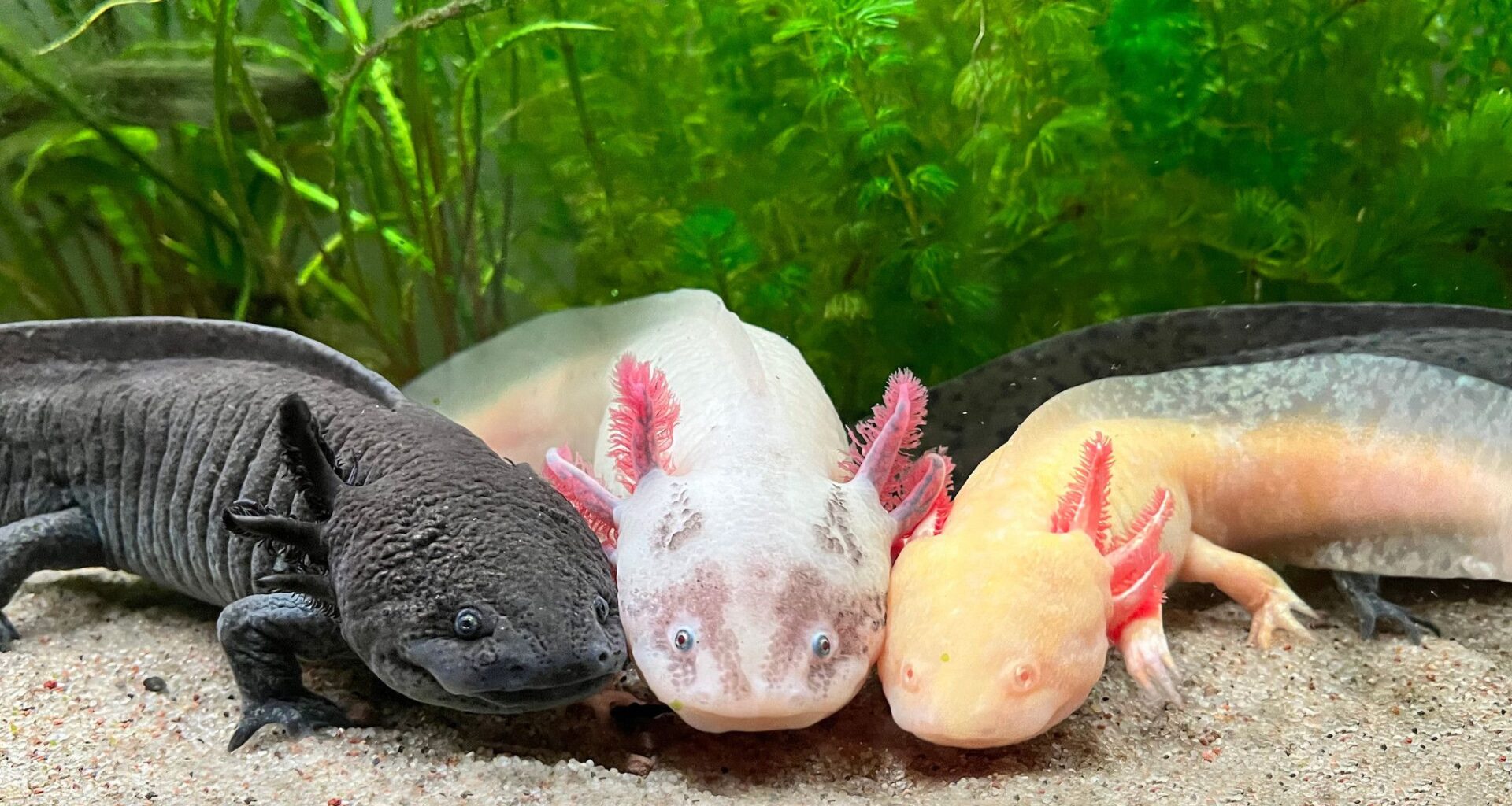
Vancouver Aquarium is expanding its focus on one of the world’s most unusual and critically endangered amphibians with the launch of “Amazing Axolotls!” — a new permanent exhibit opening Sunday, Jan. 11, 2026.
The new gallery builds on the aquarium’s existing axolotl display, transforming it into a larger and more immersive experience designed to showcase the animal’s biology, cultural roots, and conservation challenges. Known for their frilly external gills, distinctive expressions, and extraordinary ability to regenerate lost body parts, axolotls have become a symbol of both scientific curiosity and environmental concern.
“Axolotls are an exceptionally unique species that spark curiosity and fascination. Through this exhibit, we hope guests gain a deeper understanding of — and connection to — this remarkable animal,” said Mackenzie Neale, the director of animal care for the aquarium.
The exhibit features three habitats — two dedicated to axolotls and one to fish — designed at similar heights to ensure clear viewing for visitors of all ages. Educational panels explore the species’ origins, biology, and conservation status, while an interactive photo installation, “Smile Like An Axolotl,” invites visitors to engage with the exhibit in a playful way.
Wild axolotls are now found only in Mexico City’s historic canal system
The aquarium is also highlighting the axolotl’s fragile status in the wild. Endemic to Mexico, the species now survives naturally only in the canals of Xochimilco, a historic wetland system in Mexico City.
According to the International Union for Conservation of Nature, there may be only between 50 and 1,000 axolotls left in the wild, and aquariums and zoos worldwide are working to breed the species to help ensure its survival. They have also become relatively common in the pet trade, but they are not common household pets in the way fish, reptiles, or small mammals are.
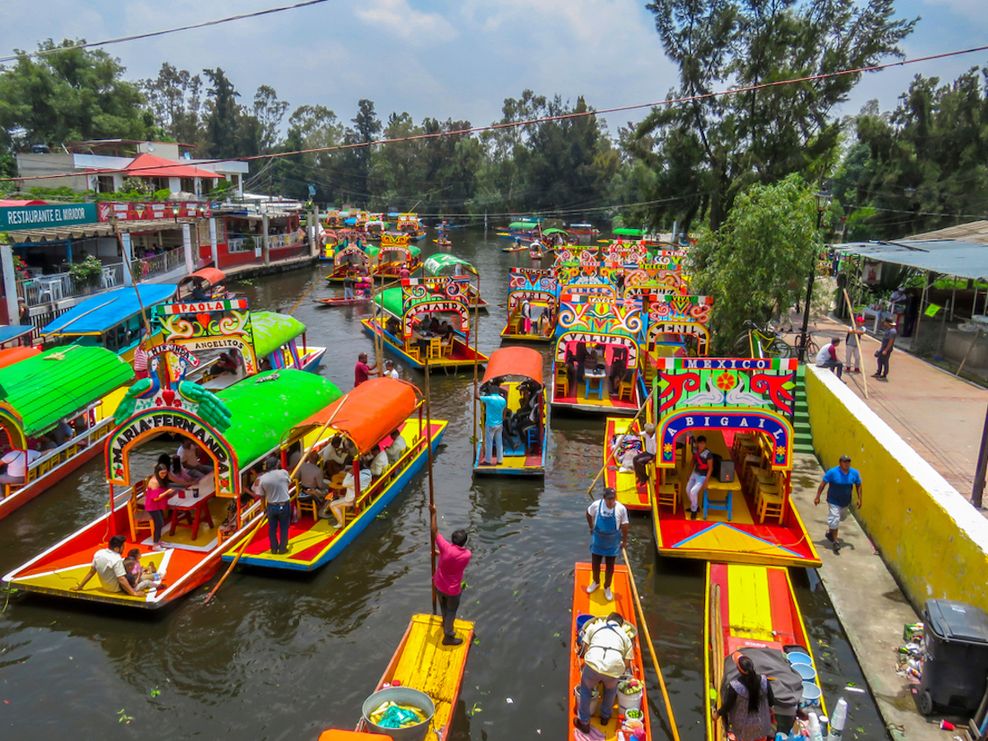
Xochimilco canal in Mexico City. (Libia Segura/Shutterstock)
Axolotls disappeared from nearly all of Mexico primarily because their freshwater habitat was destroyed and heavily altered by human activity.
As Mexico City expanded, much of the lake system where axolotls once lived was drained, polluted, or filled in, leaving only the canals of Xochimilco as their last natural refuge. Poor water quality, the introduction of invasive fish that prey on axolotl eggs, and the decline of traditional chinampa farming method further degraded the ecosystem. Together, these pressures caused a steady population collapse, leaving the axolotl critically endangered in the wild today.
“This display offers Canadians a closer look at this extraordinary salamander and the need to protect its delicate habitat. Endemic to the Valley of Mexico, the axolotl now survives in the wild only in Xochimilco, an ecological treasure in Mexico City,” said Mexican Deputy Consul in Vancouver, Luis Gerardo Hernández Madrigal.
“We thank the Vancouver Aquarium for helping share the story of this remarkable species and invite visitors to discover the exhibition — and, one day, the vibrant waterways of Xochimilco, which the axolotl calls home.”
International collaboration is a key theme of the exhibit’s message. Founder of Acuarios Michin Mexico, Marisol Lozano, also praised the initiative.
“At Michin Aquarium, we acknowledge the outstanding work of the Vancouver Aquarium in promoting, communicating, and actively supporting conservation efforts for the axolotl, one of Mexico’s most iconic and endangered endemic species,” said Lozano. “Initiatives like these highlight that protecting biodiversity is a shared global responsibility, strengthened through collaboration among institutions and across borders.”
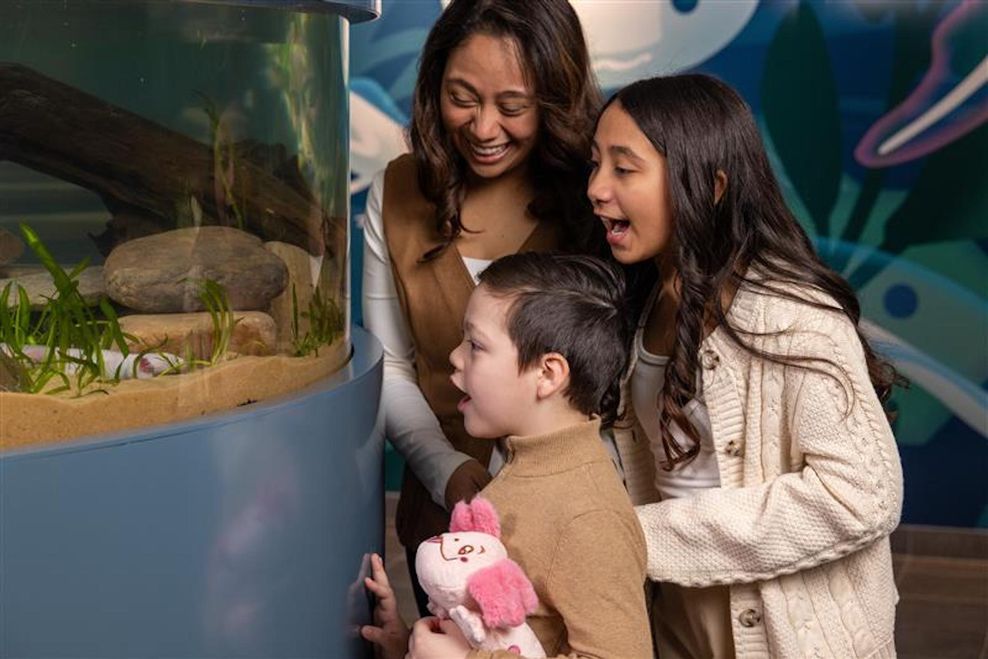
Amazing Axolotls! (Vancouver Aquarium)