
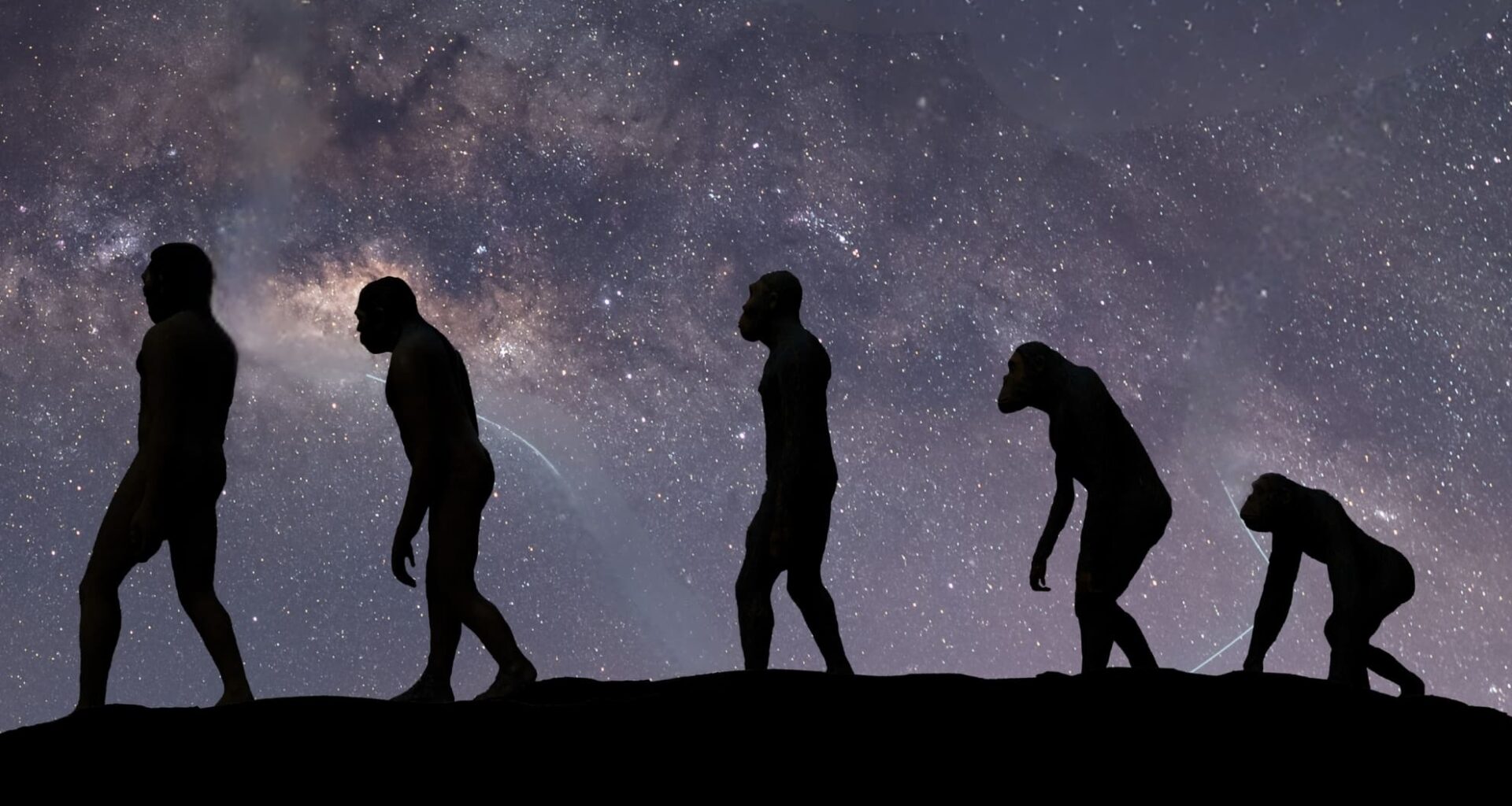
Researchers suggest that evolution may speed up dramatically during certain periods, challenging a long-held theory and helping explain a puzzling 30-million-year gap between genetic estimates and the fossil record.
This shift in thinking calls into question the molecular clock, a tool scientists have used for decades to track genetic change and estimate when species first appeared. If evolution doesn’t tick at a steady rate, as once assumed, then key milestones in the story of life may have occurred far earlier or later than we think.
A Theory Under Pressure
The molecular clock is based on a simple idea: genetic changes happen gradually and predictably over time. By working backwards through DNA, scientists have used it to build a timeline that stretches from the earliest single-celled organisms to modern humans. This method has become a foundational tool for evolutionary biology.
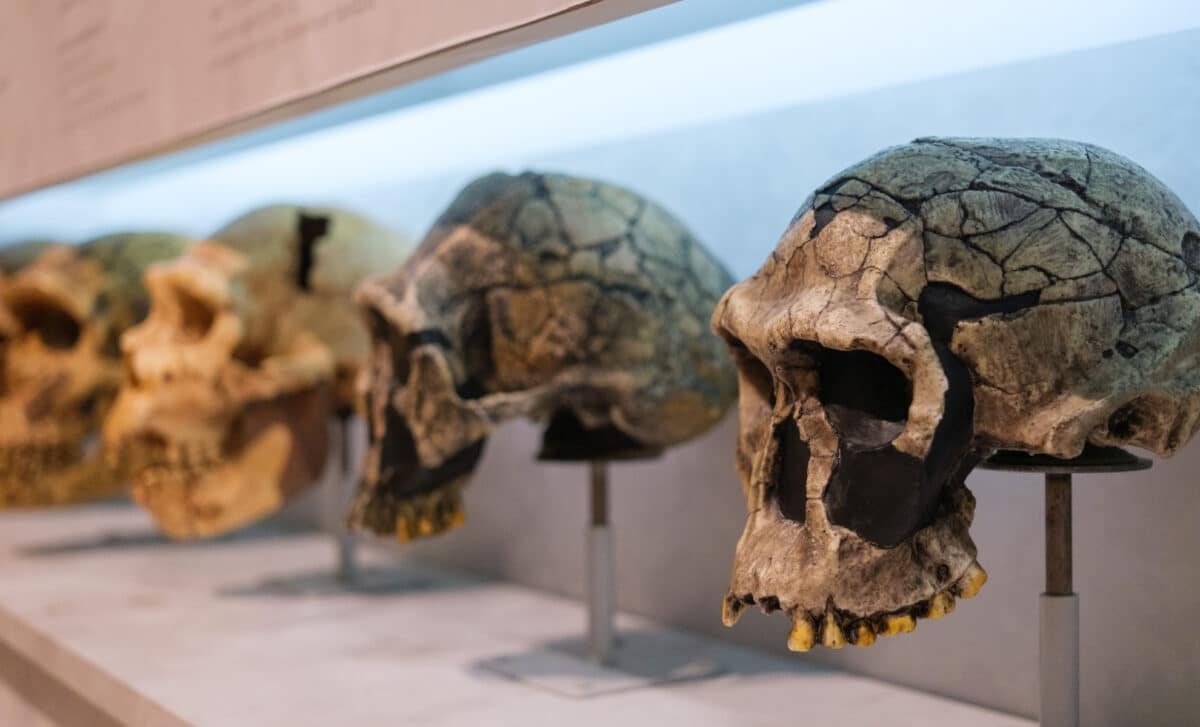
But problems emerge when those genetic timelines don’t line up with physical evidence. One of the most striking examples is the mismatch between when complex life is thought to have emerged and when the first fossils appear. Fossils of a worm-like creature from the genus Treptichnus, dated to around 538 million years ago, are the earliest known signs of complex life. Yet molecular estimates suggest such organisms should have existed about 30 million years earlier.
 © Joaquín Corbalán / Canva
Fossils from this period are notoriously rare, and one explanation is that early life forms may have been tiny due to low oxygen levels, making them unlikely to leave behind traces. Still, that doesn’t fully resolve the discrepancy.
A Challenge to the Evolutionary Clock
In a new study published in Systematic Biology, Graham Budd, a paleontologist at Uppsala University, and Richard Mann, a mathematical ecologist at the University of Leeds, question the reliability of the molecular clock itself. They argue that evolution doesn’t proceed at a uniform pace.
The researchers introduce the Covariant Evolutionary Tempo model, which allows for variable speeds in evolution, particularly when large groups of organisms first appear. Their work builds on years of mathematical modeling aimed at understanding how major animal groups evolved.
“This model predicts that diversity is dominated by a small number of extremely large clades at any historical epoch including the present,” Budd and Mann write. These clades, or evolutionary branches, are marked by early explosive radiations and high rates of molecular change. According to their model, species alive today likely evolved from ancestors with unusually rapid evolutionary rates.
Speeding Through Evolutionary History
The impact of this new model becomes clear when applied to existing gaps in the fossil record. Max Telford, an evolutionary biologist at University College London, explained the concept in an article for The Conversation.
Using the example of humans and chimpanzees, Telford outlines how the molecular clock assumes a constant pace: six genetic changes over six million years would mean one per million. But if evolution sped up early in that process, the same genetic differences could accumulate in a much shorter time, making it appear that more time had passed than actually did.
Telford notes that this speeding-clock model, while still untested, could account for discrepancies between fossil evidence and genetic timelines. The theory suggests that when major groups of organisms emerged, they experienced a burst of evolutionary change. As Popular Mechanics reports, this could make the evolutionary clock appear to tick faster during those periods, leading scientists to overestimate how much time had actually passed.
The authors of the study argue that the dominance of large, fast-evolving clades, both in the past and today, supports their model. It also implies that many modern species may descend from ancestors that evolved rapidly during periods of major diversification.