

Listen to this article
Estimated 4 minutes
The audio version of this article is generated by AI-based technology. Mispronunciations can occur. We are working with our partners to continually review and improve the results.
The province’s largest wildlife rehabilitation centre saw a sharp increase in the number of animals it treated in 2025.
Wildlife Haven Rehabilitation Centre cared for 30 per cent more animals in 2025 than in 2024, staff said. At times, up to 300 animals were in the centre at once.
While the organization can’t say for sure, they suspect habitat destruction during Manitoba’s wildfire season had a role to play.
“We were seeing a lot of baby animals. A lot of songbirds were coming in, a lot of hawks, like nighthawks, which is kind of an unusual patient that we don’t typically see during the summer months,” said Amy Wilkie, an education program manager at Wildlife Haven.
“We’re thinking those were the animals that were getting displaced a lot.”
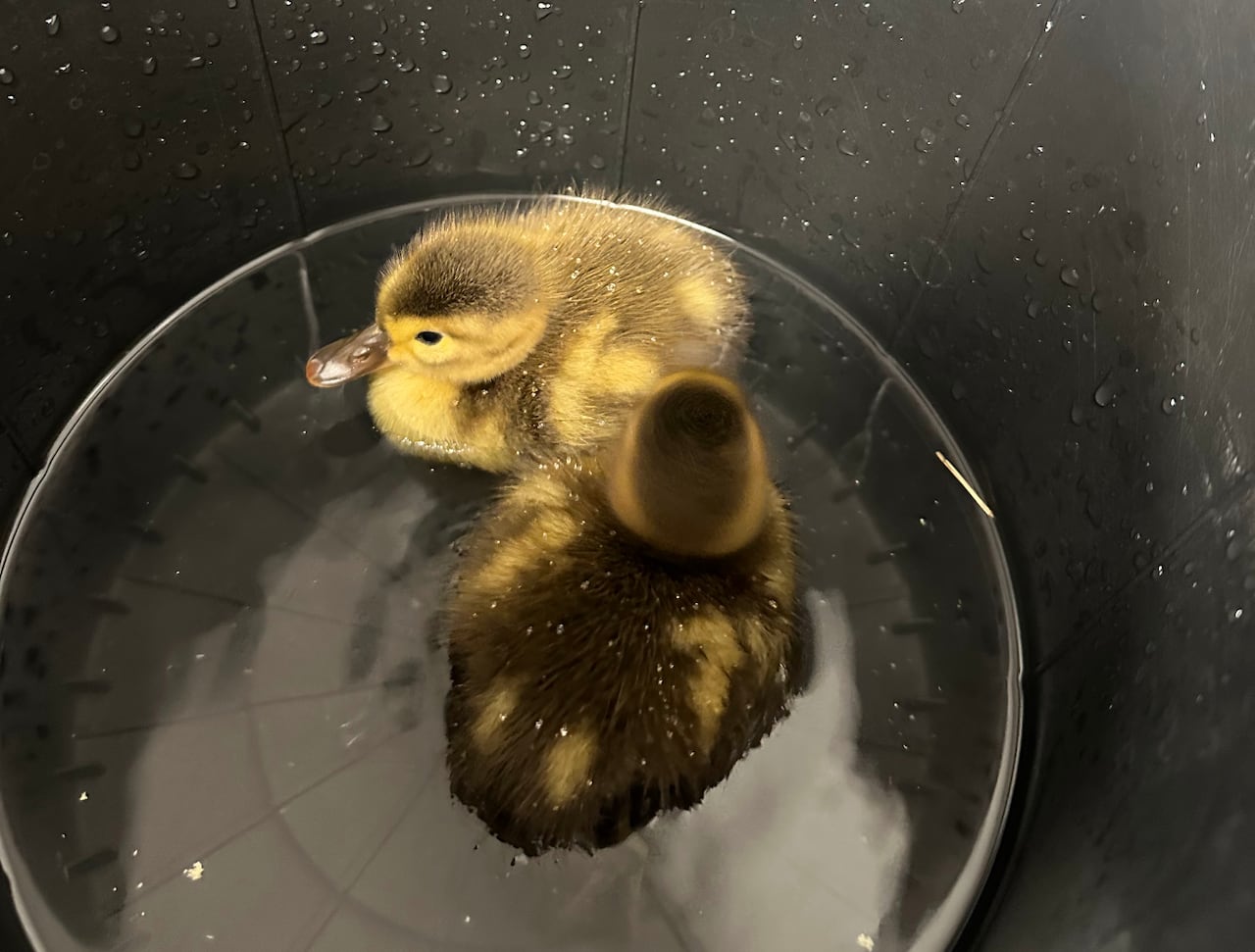 Amy Wilkie says Wildlife Haven cared for lots of baby animals that they suspect were displaced by wildfires last year. (Wildlife Haven)
However, there weren’t many animals coming in with burns or smoke inhalation injuries, Wilkie said.
Now, during the winter, there are 35 animals being treated at the facility near Ile des Chênes, about 20 kilometres southeast of Winnipeg, plus 17 ambassador animals.
Wilkie said their numbers typically drop in the fall. Wildlife Haven tries to release as many animals as possible before winter, so they can migrate or hibernate like normal.
 Amy Wilkie with Wildlife Haven says it seems many of their patients in 2025 were displaced when wildfires destroyed their habitats. (Jura McIlraith/CBC)
Wildlife Haven often sees an increase in patients during years when avian influenza cases are high. Wilkie said 2025 was a bad year for the virus.
“It is concerning, because there’s still not a lot known about the virus, about how it’s transmitted, who it’s transmitted to, what other types of animals,” Wilkie said.
“We’ve been working very closely with the province of Manitoba, who have kind of taken the lead on that, and they’re guiding us along with next steps.”
Animals that arrive with avian flu have to be euthanized so other animals in Wildlife Haven’s care aren’t put at risk.
A provincial spokesperson said the Department of Natural Resources and Indigenous Futures regulates three wildlife rehabilitation centres in Manitoba.
The province doesn’t yet have annual reports from the three wildlife rehabilitation centres in Manitoba, so they can’t comment on the numbers, the spokesperson said in an email.
However, in addition to potential impacts from wildfires, there were “noted outbreaks of wildlife diseases,” including highly pathogenic avian influenza, West Nile virus and mange.
Uncommon animals
Of the 2,551 animals admitted to Wildlife Haven’s animal hospital, there’s a recent addition that’s a little more special.
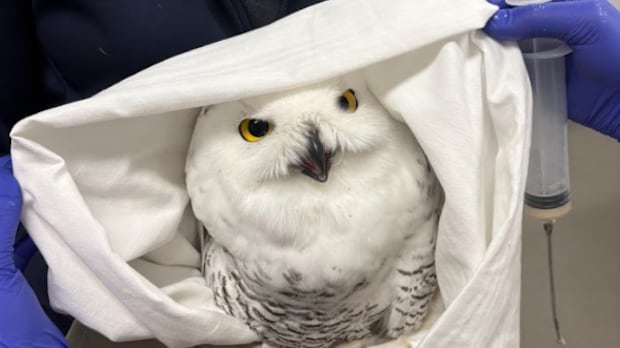
A snowy owl arrived at the hospital shortly before Christmas. The bird was found near CentrePort Canada, at the edge of Winnipeg.
It had been hit by a car and had a severe fracture of the left wing. Staff did a wing wrap to help stabilize the bone while it heals.
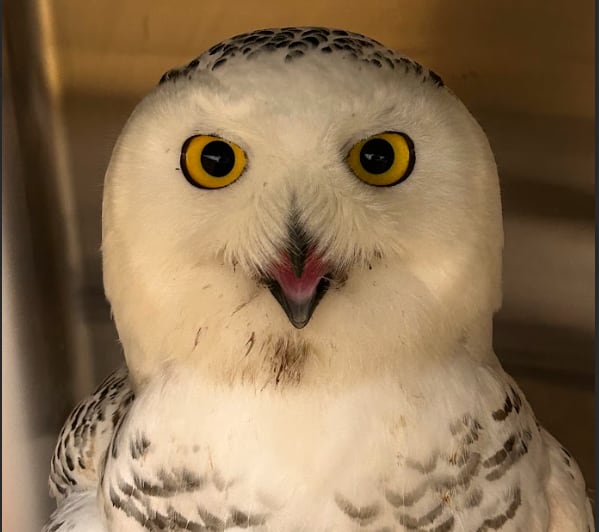 Amy Wilkie says it’s not common to see snowy owls in Winnipeg, but the population fluctuates depending on how much prey was available the previous year. (Wildlife Haven)
“Our team is working really hard to get this owl strong enough so that we can put it in the outdoor aviary, which is the final step in rehabilitation,” Wilkie said.
“We are hopeful that this snowy owl will be able to be released back to the wild.”
It’s not common to see snowy owls in Winnipeg, but the population fluctuates depending on how much prey was available the previous year, Wilkie said.
Wildlife Haven is the only wildlife veterinary hospital in Manitoba. The centre has a full-time vet, meaning they’re able to perform surgeries if needed.
They take in animals from as far away as Churchill.
There was an increase during the COVID-19 pandemic, likely because more people were out in nature finding injured animals, Wilkie said.
She speculates a final factor in the jump in animals they cared for in 2025 could be word is getting out about Wildlife Haven.
“The public is just figuring out who Wildlife Haven is,” Wilkie said. “Now they know that there’s a place where they can bring an injured animal if they find it.”
Another uncommon animal brought in during 2025 was Lumi, an orphaned lynx whose mother was killed in a dog attack in August. Because of an eye injury, Lumi can’t be returned to the wild.
WATCH | Wildlife rehabilitation centre sees jump in number of animals treated: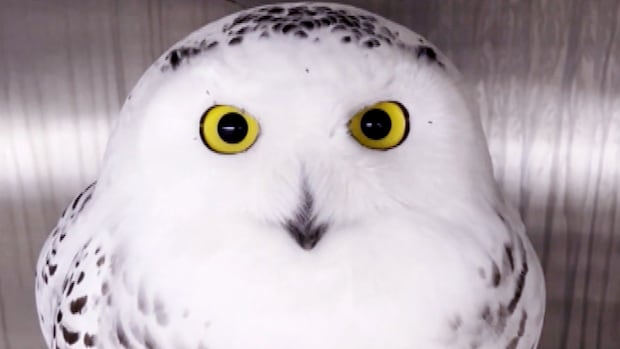
Manitoba wildlife rehabilitation centre treats 30% more animals
The province’s largest wildlife rehabilitation centre saw a jump in the number of animals it treated in 2025. Wildlife Haven cared for hundreds of animals, including a snowy owl and a lynx.