
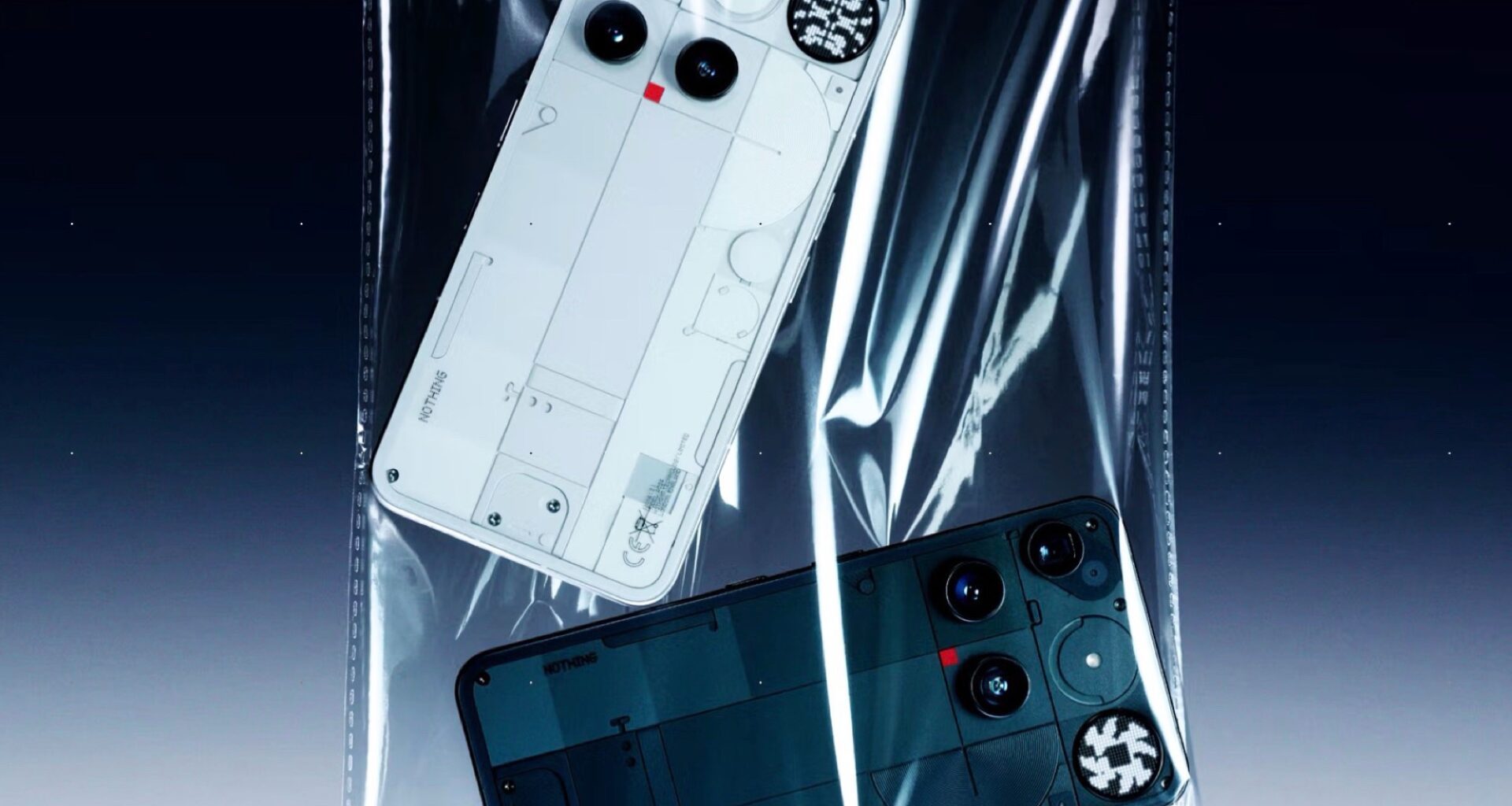
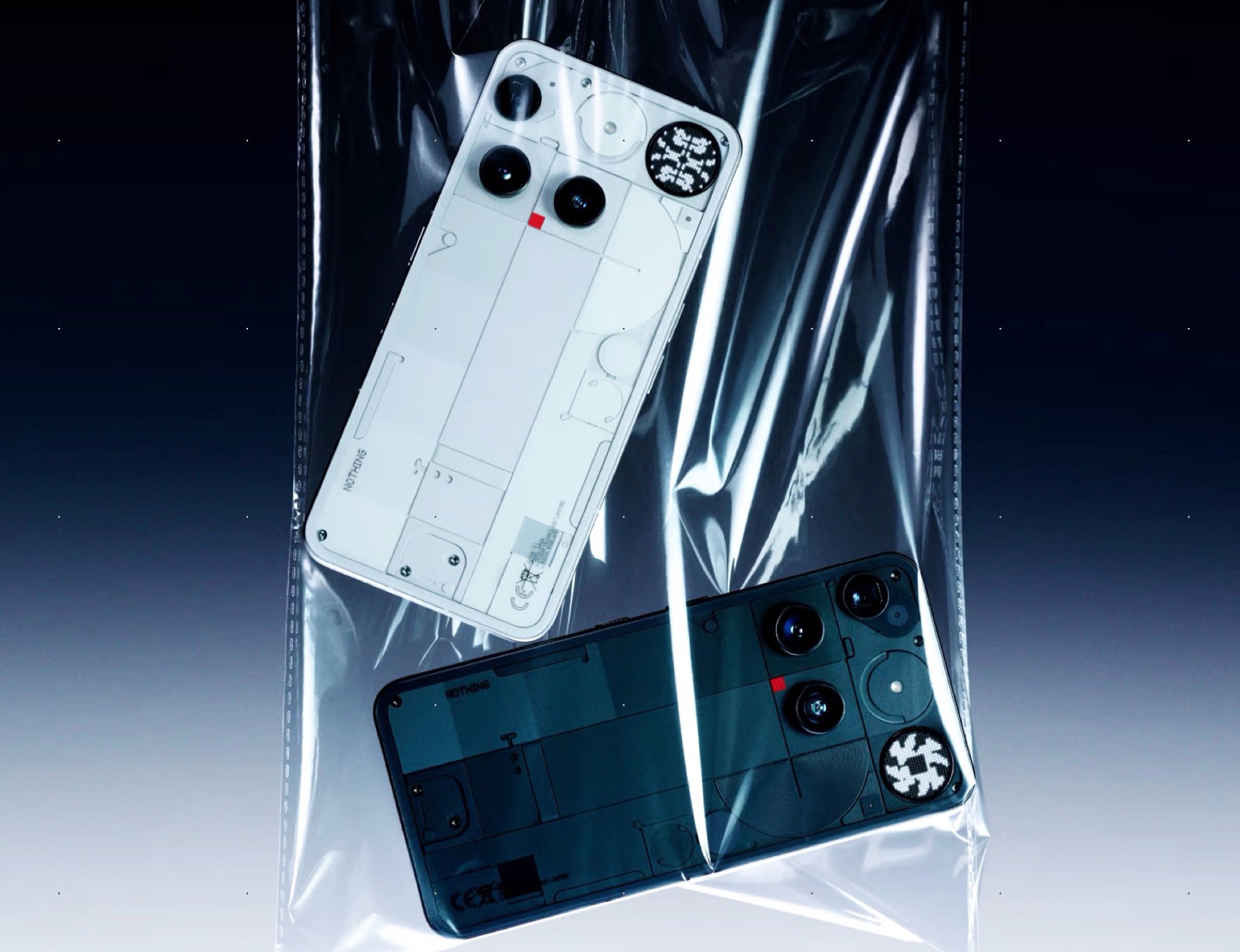
 Nothing Phones could either become more expensive in the future or compromise on features. (Image source: Nothing)
Nothing CEO Carl Pei is hinting at a mixed year for smartphones in 2026, as the DRAM crisis is expected to lead either to extreme price increases or to smartphones that compromise much more on features than last year.
Nothing founder Carl Pei has published a lengthy post on social network X, titled “Why Your Next Smartphone Will Cost More”. In it, Pei hints at a bleak future for the smartphone market, suggesting that the successor to the Nothing Phone (3), like many other smartphones launching this year, will either be significantly more expensive or have features removed.
According to Carl Pei, the smartphone industry has relied on the gradual decrease of component prices (such as displays, RAM, and flash storage) over the past 15 years, allowing companies to release new models with improved features but virtually unchanged prices each year. This trend has now come to an end, as the DRAM crisis has caused RAM and NAND costs to skyrocket in recent months, with no improvement expected until 2028.
The Nothing CEO anticipates that RAM modules for high-end smartphones, which cost $20 last year, will cost well over $100 by the end of 2026. This will force smartphone manufacturers to either increase the prices of new models by more than 30% in some cases, or cut costs elsewhere to maintain the price of the previous model. Carl Pei has already confirmed that the next Nothing Phones, expected to launch in the first quarter, will be more expensive than their predecessors. In the entry and mid-tier segments, the specs race is over for now, he concludes.

Since 2009 I have written for different publications with a focus on consumer electronics. I joined the Notebookcheck news team in 2018 and have combined my many years of experience with laptops and smartphones with my lifelong passion for technology to create informative content for our readers about new developments in this sphere. In addition, my design background as an art director at an ad agency has allowed me to have deeper insights into the peculiarities of this industry.
 Translator: Jacob Fisher – Translator – 2691 articles published on Notebookcheck since 2022
Growing up in regional Australia, I first became acquainted with computers in my early teens after a broken leg from a football (soccer) match temporarily condemned me to a predominately indoor lifestyle. Soon afterwards I was building my own systems. Now I live in Germany, having moved here in 2014, where I study philosophy and anthropology. I am particularly fascinated by how computer technology has fundamentally and dramatically reshaped human culture, and how it continues to do so.