
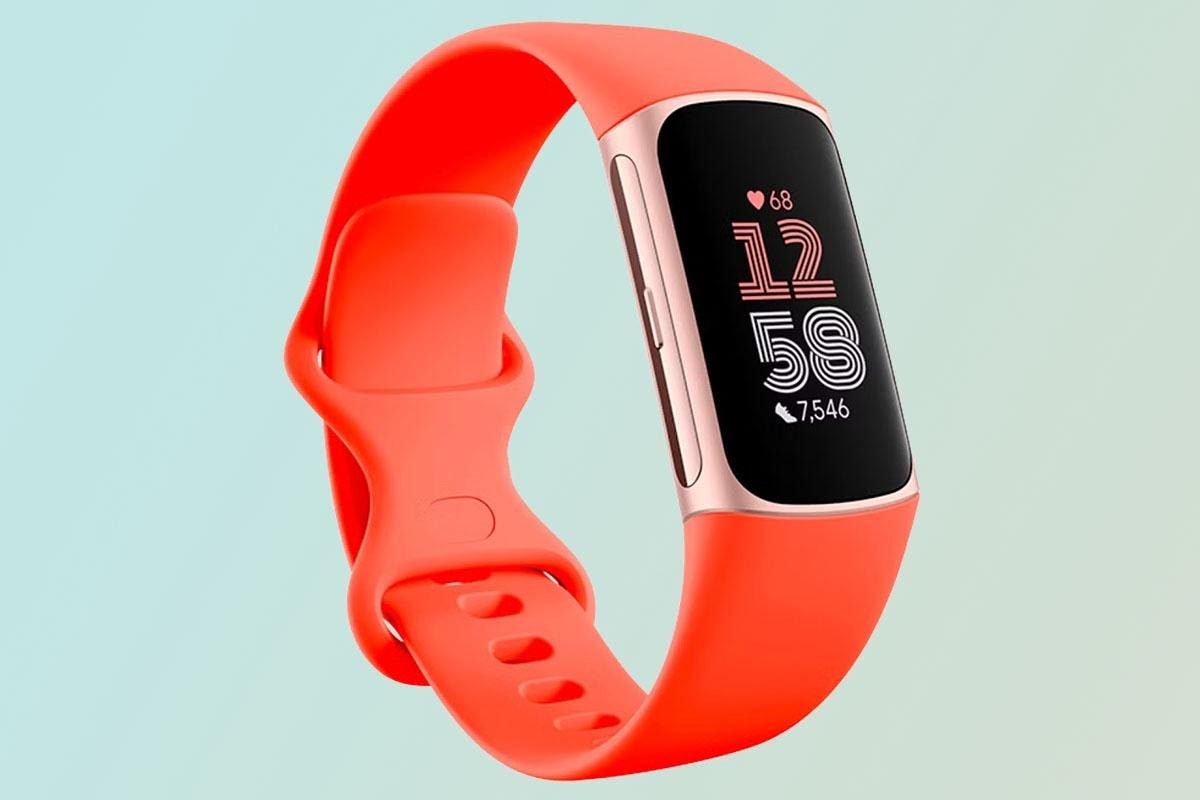
The headline may be a statement of the obvious, but Fitbit and Strava are the lowest-ranked platforms on the health and fitness platform landscape in terms of data collection, according to an investigation by VPN company Surfshark.
The report looks into what data is collected by 16 popular platforms, including Apple Fitness and Runna, to analyze which collects the most user information, as well as looking into how it is used.
Fitbit tops the list for sheer amount of data harvested, with 24 strands collected, including 19 deemed to be used beyond what is required for the app itself to function properly. Such extraneous data may be typically used for “product personalization, analytics, or marketing.”
Strava is arguably a worse offender, though. While it collects 21 data strands, fewer than Fitbit, all of these are deemed to be used beyond pure app functionality, and some are shared with third-party services (where allowed) to track user behaviour.
Only one of the platforms studied gets a gold star result, where all data is deemed only to be used in service of the app’s core functionality. That’s Push, a relatively small outfit that provides workout programs for those looking to build muscle mass, most likely in the gym.
It collects seven types of data, but they are all used in service of the app, and there’s no third-party tracking either. Push does rely on paid subscriptions to stay afloat, though, with an $89.99 annual cost attached.
Nike Training Club is third on the list of most data-hungry platforms, but shares collected data most freely with third-party trackers according to the analysis. It shares four types of data, including “sensitive info” that could be used for targeted advertising.
Surfshark infographic.
Surfshark
It’s important to note the limited depth of this Surfshark report, though. It’s based on information collected from the Apple App Store, so may not in all cases be reflective of policy for Android users in all cases.
This is also a fairly surface-level analysis of publicly available data. But it does act as a reminder of how data is used by app platforms, when most people simply accept terms and conditions documents without reading them.
Data Collection Types
Here are the 34 types of data potentially collected by these platforms:
Browsing HistoryEmail addressNamePhone numberPhysical address“Other user contact info”Contacts Crash data“Other diagnostic data” Performance data“Other financial info”Credit infoPayment infoFitnessHealthDevice IDUser IDCoarse location dataPrecise location“Other data types”Purchase historySearch history“Sensitive info”Advertising dataOther usage dataProduct interactionHands HeadEnvironment scanning Customer supportEmails/text messagesGameplay contentAudio dataPhotos or videos
Surfshark has published a handy spreadsheet of exactly which platforms, including Fitbit, have dealings in these various data categories, should you want to look a little deeper.