
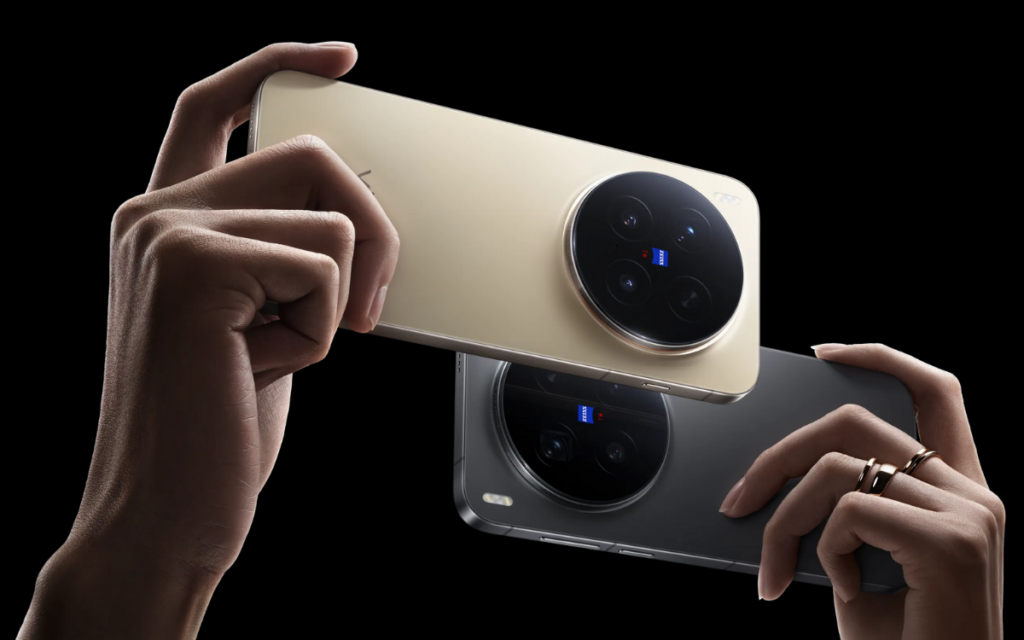
Smartphone buyers today are spoiled for choice. The mid-range segment has evolved to a point where phones under flagship pricing offer great displays, fast charging, capable cameras, and solid performance. For most users, the question is no longer “Can a mid-range phone keep up?” but rather “What am I actually missing by not buying a flagship?” The trade-offs are now more subtle and situational. Mid-range devices can typically offer you up to 90% of the flagship experience for usually half the price or even lower. But there are always compromises, so let’s break down where these more affordable devices fall short.
1. Gaming
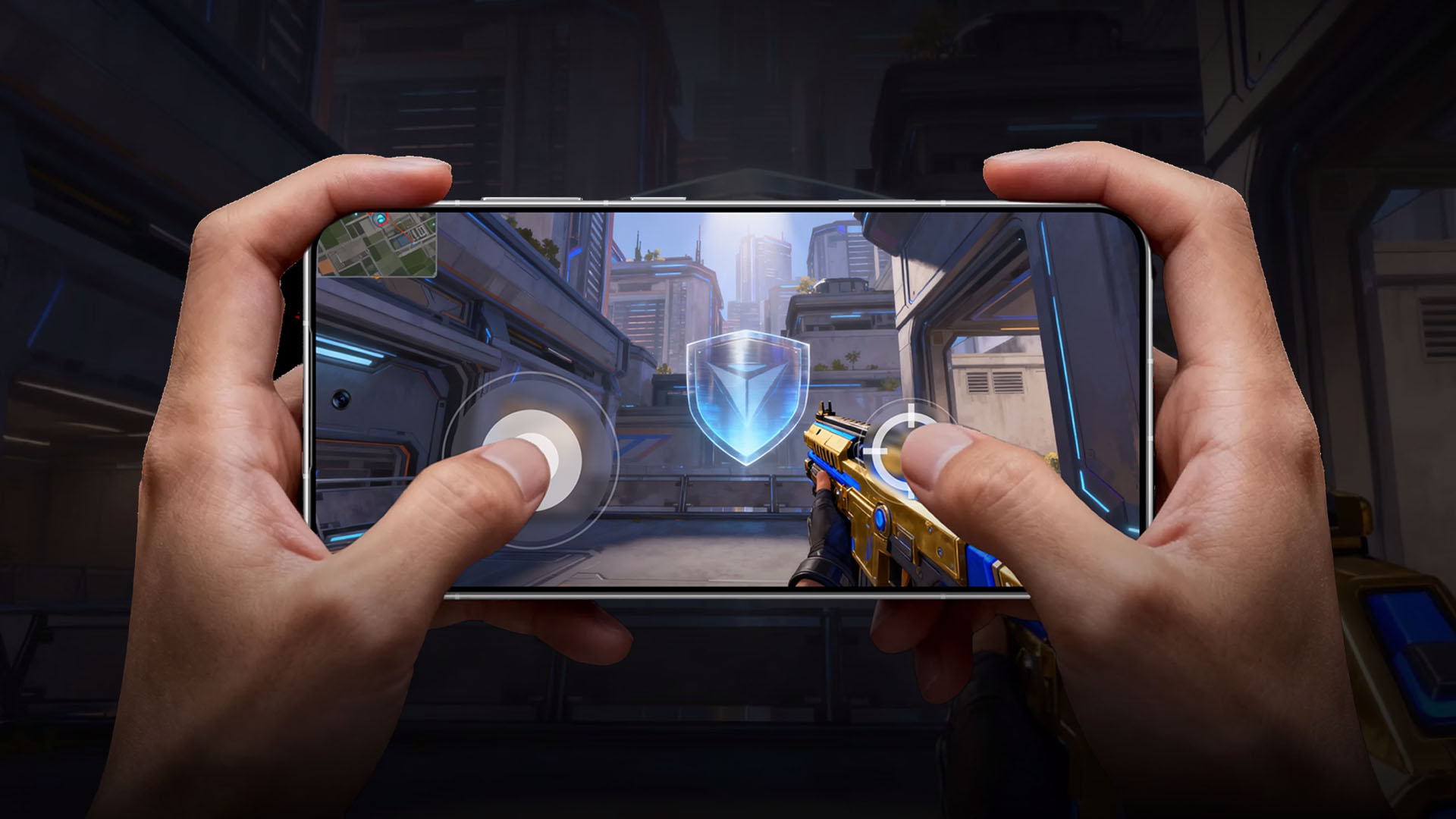
Honor Win/Win RT
On paper, mid-range phones today look plenty powerful. Chips like the Dimensity 8500 deliver great performance that can handle most games without breaking a sweat. From casual titles to popular competitive games, you can expect smooth performance even at high settings. However, certain cracks can begin to show in sustained gaming performance.
Flagship chips like the Snapdragon 8 Elite Gen 5 offer improved GPUs, with higher thermal limits, superior cooling systems, and hardware level ray tracing support, which not only offers a more immersive experience but even makes gaming more stable and smoother. You can hit triple digit framerates in competitive games, while graphically intense titles can also maintain around 60fps. So there are no compromises here.
2. Zoomed Photography
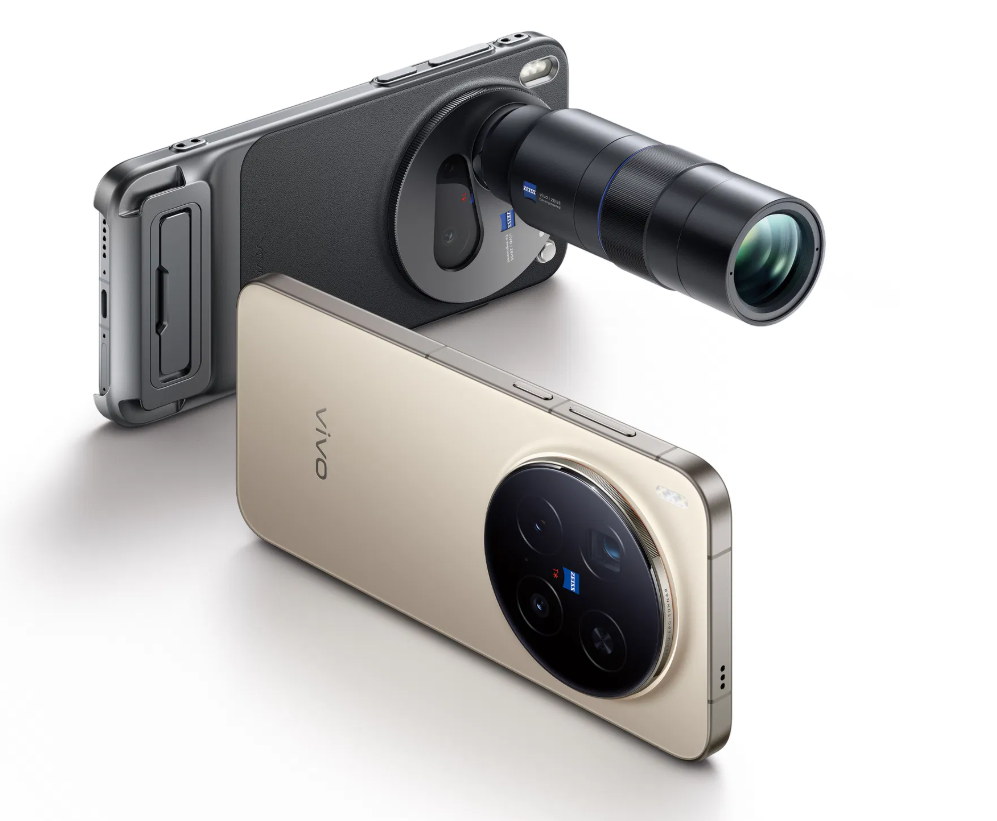
Vivo X300 Pro
Mid-range cameras have become excellent for everyday photography. Good lighting, main sensors, and computational photography mean social-media-ready photos are almost guaranteed. Where they fall behind is versatility. Optical zoom, consistent low-light performance across lenses, faster shutter speeds, and reliable video stabilisation are still flagship strengths.
While certain models with a photography focus do stand out, models like the Vivo X300 Pro or Xiaomi 17 Ultra showcase just how powerful smartphone photography can be. These differences are more noticeable when you see the comparisons between a good mid-range phone and a premium device.
Certain affordable models even skip the telephoto shooter entirely, so you’re left with digital zoom that works in optimal conditions, but results quickly fall apart compared to true telephoto lenses. For everyday shooting, the difference is minor. For travel photography, events, or zoom-heavy use cases, flagships still have a clear edge.
3. Software
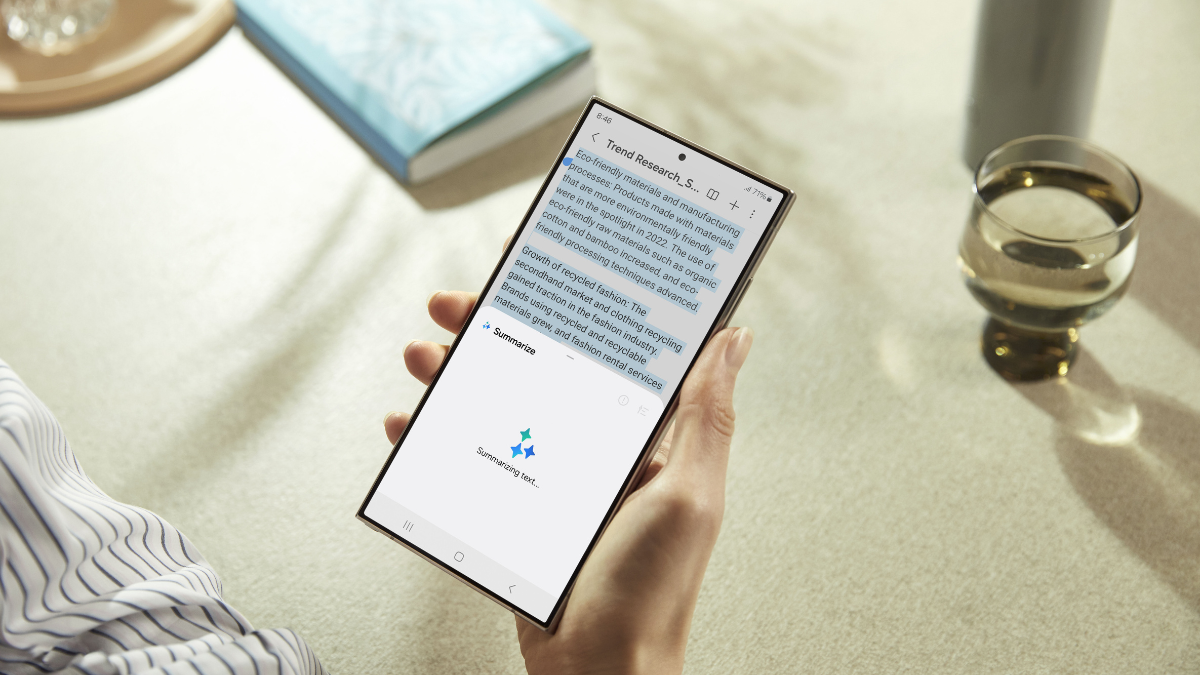
This is one of the most meaningful compromises. While mid-range phones now ship with clean software and useful features, long-term update support is still inconsistent. Flagships often receive four to seven years of OS and security updates. Mid-range phones usually stop much earlier, topping out at around 3-4 years if you’re lucky, and 2 years with the more budget options.
If you keep your phone for four years or more, this can impact security, features, and overall longevity. For users who upgrade frequently, this isn’t a big issue. But for long-term owners, software support alone can justify spending more upfront.
4. Premium Build
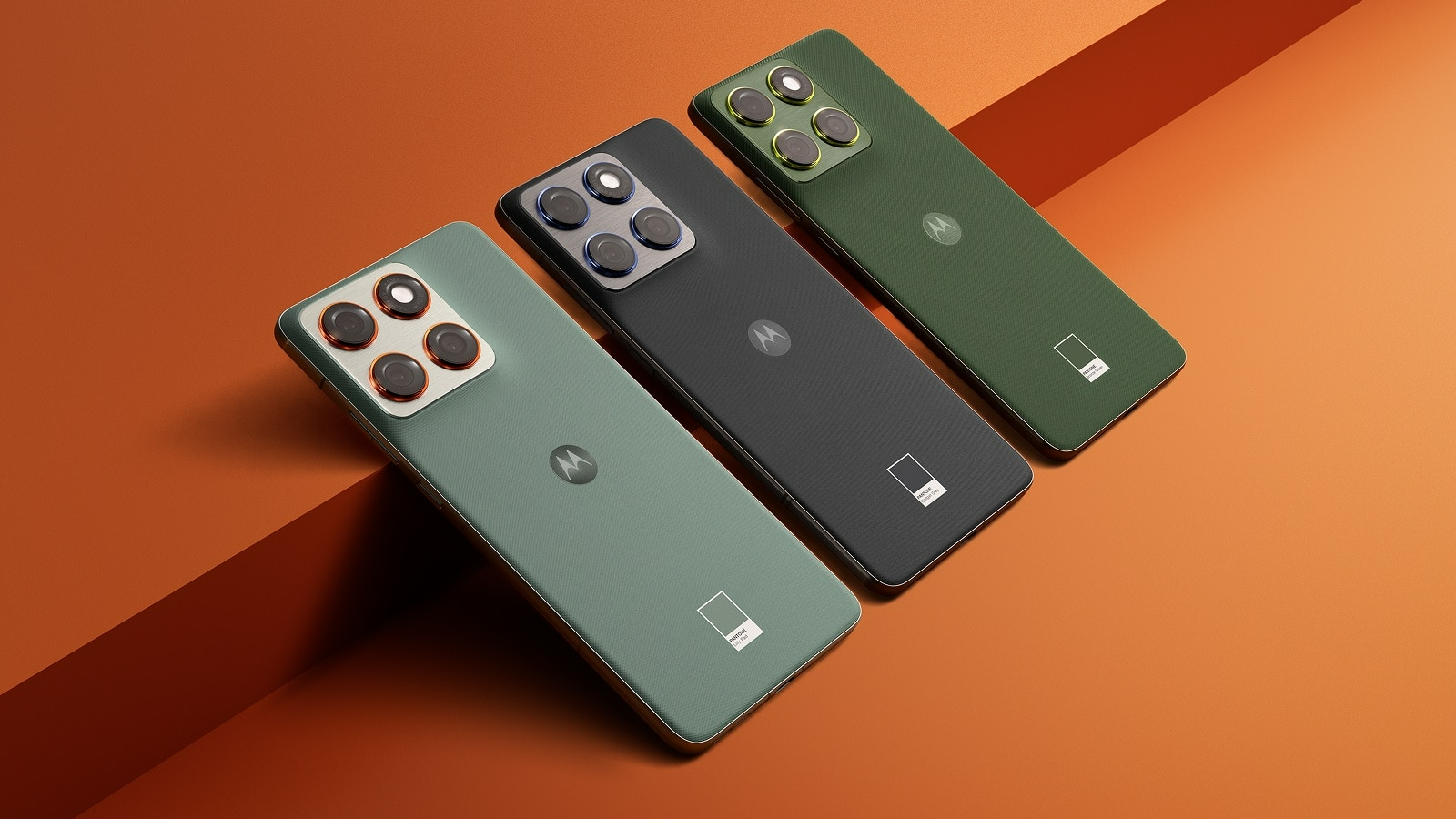
Motorola Edge 70
Flagships still feel more luxurious. Materials like glass, metal frames, tighter tolerances, and better haptics add up to a more refined in-hand experience. That said, the gap has narrowed dramatically. Many mid-range phones now offer solid builds, slim designs, and decent durability. While they may lack the subtle polish of a flagship, the difference is far less obvious than it was a few years ago. Unless build quality is a top priority, this compromise is mostly cosmetic.
5. Resale Value
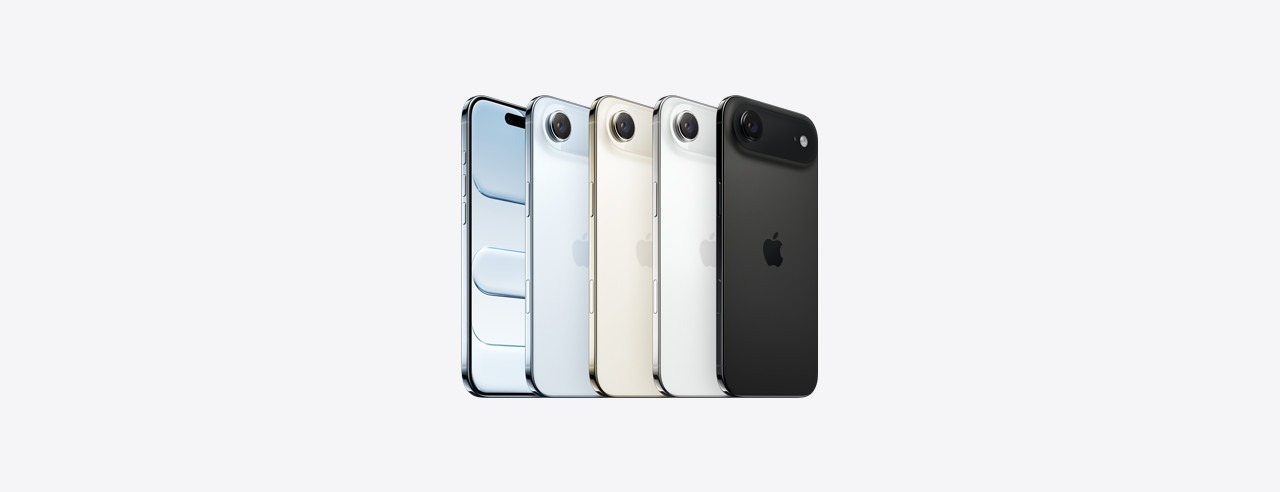
Apple iPhone Air
Flagships hold value better. Brand perception, longer software support, and premium positioning make them easier to resell after a couple of years. Meanwhile, mid-range phones depreciate much faster. Even the official price tag falls noticeably just months after their initial release. So while you save money upfront, you also recover less when upgrading later. This matters if you regularly sell your old phone to fund the next one. Resale value is part of the upgrade strategy for many. Thus, flagships make more financial sense in the long run.
6. Verdict
If you’re a heavy gamer, camera enthusiast, long-term phone user, or someone who values premium polish and resale value, a flagship still makes sense. The differences, while subtle, add up over time. For everyone else, mid-range phones are the smarter buy. You get most of the experience at a significantly lower price, with compromises that rarely affect daily use. In 2026, buying mid-range isn’t settling, but choosing value. The key factor is knowing whether you’ll actually notice the missing 10%.
For more daily updates, please visit our News Section.
Tech enthusiast? Get the latest news first! Follow our Telegram channel and subscribe to our free newsletter for your daily tech fix! ⚡