
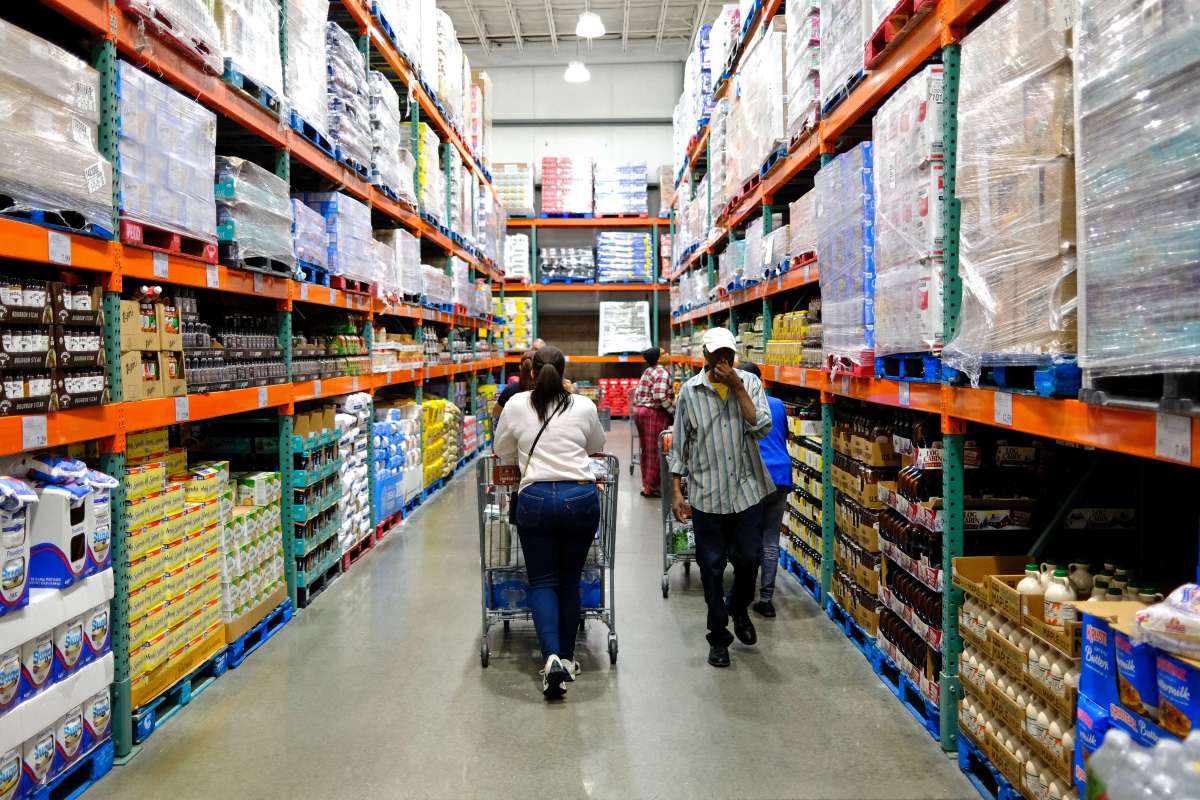
A majority of small- and medium-sized businesses say they will soon be hiking prices to cope with elevated—though easing—levels of economic “uncertainty” in the U.S.
According to a recent CEO survey conducted by the executive coaching firm Vistage, 57 percent plan to raise prices over the next three months, and of these, 8 percent anticipate increases of over 10 percent.
“Despite improving confidence, CEOs remain very conscious of the challenges their businesses face,” Vistage wrote in its report published Wednesday.
“Overall confidence is rising, not because macroeconomic conditions have improved, but because uncertainty has become more familiar,” chief research officer Joe Galvin told Newsweek.
Why It Matters
The annual inflation rate has slowed to 2.7 percent from 3 percent in January of last year, and some experts now believe the Federal Reserve’s long-term target of 2 percent could be within reach by the end of 2026. However, prices continue to rise for most consumer goods, adding to the financial strains felt by American households, who are also battling mounting debts and the implications of a labor market slowdown.
Amid these challenges, consumer confidence declined significantly in the latter half of 2025, according to the Conference Board’s monthly surveys, falling to its second-lowest level since January 2021 in December, surpassed only by April’s reading.
What To Know
According to Vistage’s survey, with responses from 1,202 small- and medium-sized business (SMB) executives collected between December 2 and December 16, CEO confidence saw a “modest but meaningful improvement” in the final three months of 2025, with the headline confidence index rising to 88.9 from 81.9 in the third quarter. While representing a significant drop from 100.8 a year prior, Vistage notes that this level of optimism sits well above the three-year average.
“This increase does not signal a return to euphoria,” wrote Galvin. “Instead, it reflects a growing acceptance of the conditions CEOs expect to face and a clearer view of both risks and opportunities for their business heading into 2026.”
Some 69 percent of SMB CEOs expect higher sales revenues in 2026, a 9 percent increase from the third quarter, and 53 percent forecast improved profitability despite ongoing labor and cost pressures.
This confidence, however, rests partly on the price increases most CEOs anticipate implementing to offset these pressures.
Among the 57 percent who say they will be hiking prices within the next three months, 8 percent anticipate increases of more than 10 percent, 19 percent expect prices to rise by 7 to 10 percent, 46 percent foresee a 4-to-6 percent increase, and 24 percent are projecting between 1 and 3 percent, while the remaining 3 percent did not specify.
“CEOs are approaching pricing cautiously but deliberately,” Galvin told Newsweek. “Rising costs, from materials and labor to logistics, are driving 57 percent of leaders to plan price increases.”
He added that CEOs are likely focusing these on “products and services where customers are most likely to accept the change, balancing cost recovery with market sensitivity.”
And despite improving confidence, Vistage writes that CEOs “remain very conscious of the challenges their businesses face,” including staffing issues and “economic uncertainty.”
Nevertheless, companies remain intent on increasing their workforces in 2026. Over half (57 percent) plan to add staff over the next 12 months, up from 48 percent in the third quarter, and only 7 percent expect to cut jobs during this period.
What People Are Saying
Vistage chief research officer Joe Galvin wrote: “One year ago, CEO confidence surged as post-election optimism fueled expectations of pro-business policies, easing inflation, and lower borrowing costs. That enthusiasm faded quickly. Shifting trade policy, rising costs, and uneven demand made planning difficult, sharply lowering confidence in early 2025 before it gradually stabilized.”
What Happens Next
While optimism is rising among CEOs, Galvin told Newsweek executives are remaining “vigilant” given the number of growth-disrupting events that could occur in 2026, such as resurgent inflation, interest rate shocks, geopolitical upheaval, job market instability or “sudden changes in customer demand.”