
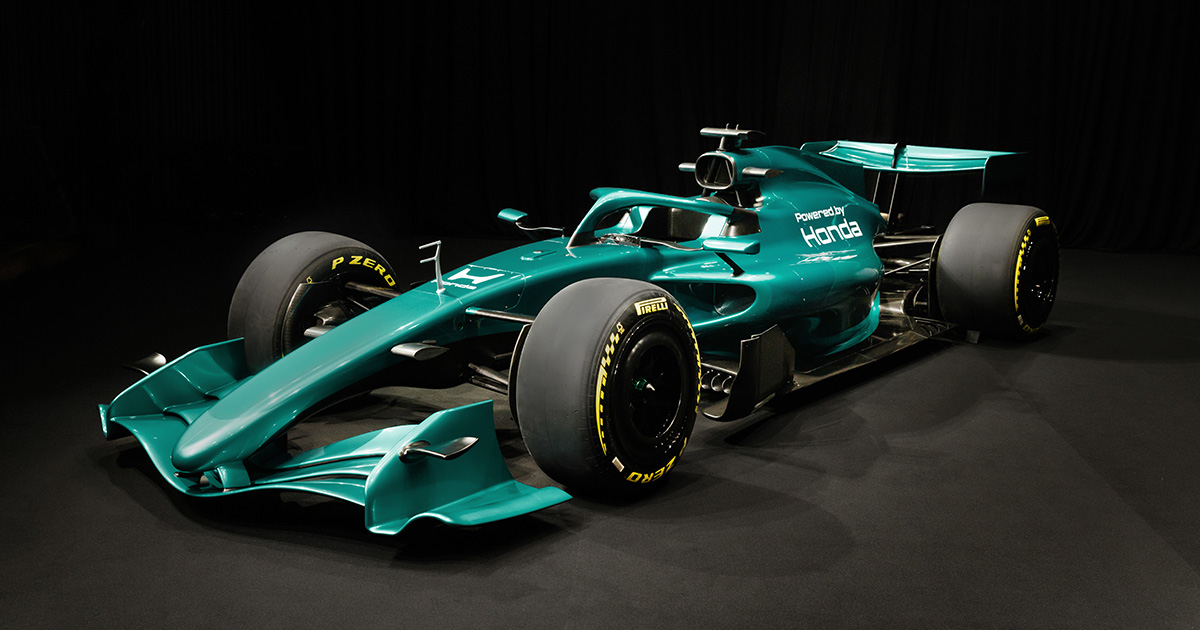
This is an exciting moment for the sport of F1, as Honda and the Aston Martin Aramco Formula One Team join together to fight for the biggest prize of F1.
Formula 1 began racing in Japan in 1976 before moving to Suzuka in 1987, so there is a deep loyalty and connection to the country where a record 13 World Drivers’ Championships have been decided over the years. The sport is growing in Japan where there are now nearly 17 million passionate and incredible F1 fans. The Japanese Grand Prix at Suzuka last year welcomed 266,000 weekend attendees, and saw a +26% year-over-year increase in TV viewership in Japan. The return of Honda to F1 this year will further boost the potential for the sport here in the Japanese market.
Globally the sport is growing with 827 million fans worldwide. The strategy of F1 is to engage with fans in spaces where people may not expect to find it, such as culture, entertainment, music, TV and film. A healthy sport is good for everyone involved. The F1 teams are thriving and in robust financial health, attracting prestigious blue-chip sponsors and demonstrating the unparalleled attractiveness of the F1 ecosystem to global brands.
The exciting next generation of regulations for 2026 is one of the factors that has drawn Honda back to the sport. Those regulations will see both the chassis and PUs updated, in the biggest overhaul in the sport’s history. There will be a simplified hybrid engine that runs on advanced sustainable fuel without impacting the performance.
F1 echoes the commitment of Honda and Aston Martin Aramco Formula One Team to sustainability, and is on target to achieve the goal of Net Zero by 2030 having already delivered a 26% reduction in carbon emissions by year end 2024 compared to 2018. F1 welcomes the innovations that are to come and is working with partners such as Honda to push boundaries.