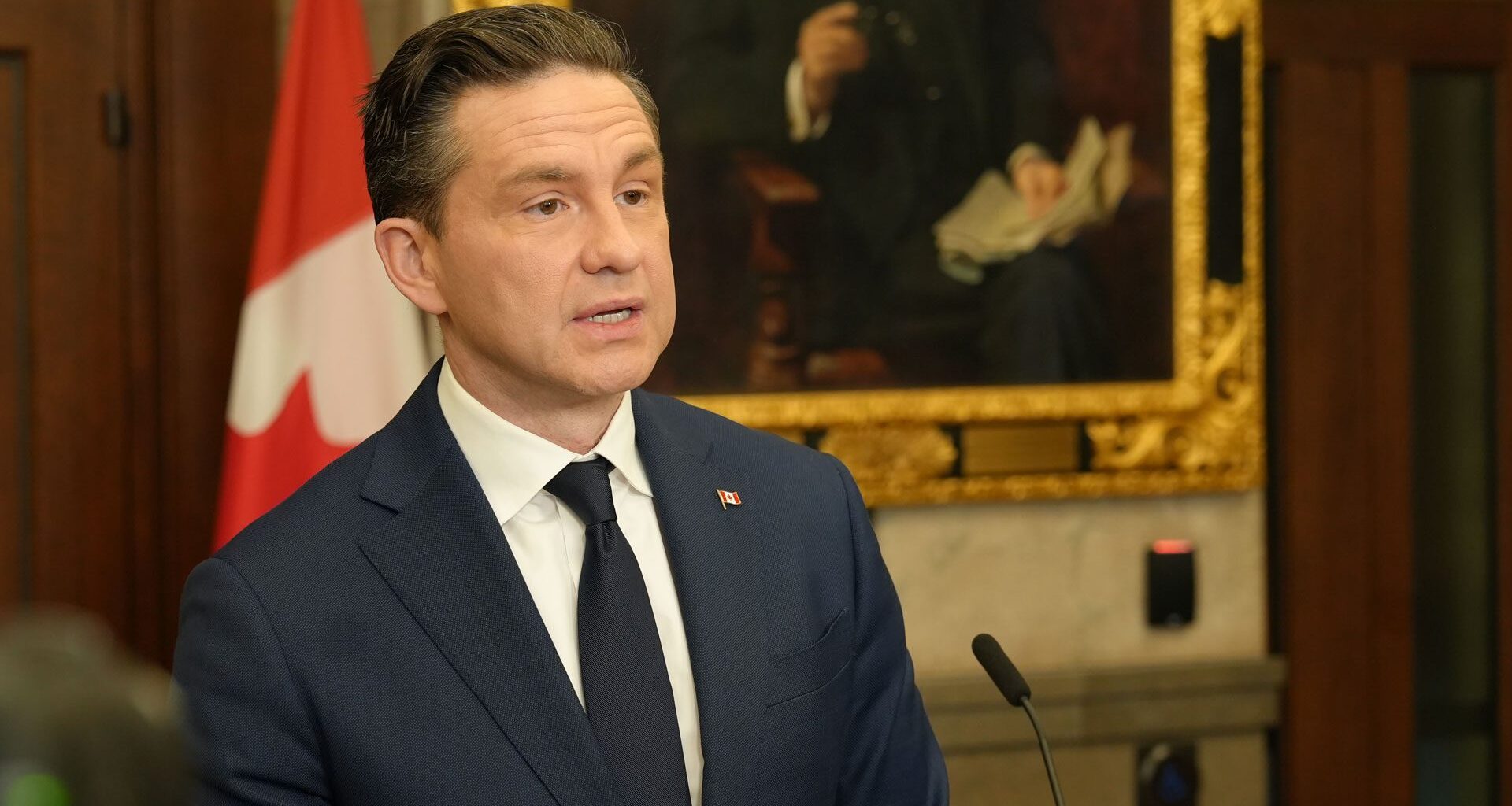
Heiltsuk Nation, a member of the Coastal First Nations (CFN) in B.C. is condemning comments by Conservative leader Pierre Poilievre, spreading what it calls “dangerous disinformation” about the group.
Marilyn Slett, elected chief of the Heiltsuk Nation, and Harvey Humchitt, a hereditary chief, issued a statement in response to a post by Poilievre on the social media platform X.
“It’s one thing to have a right-wing American-owned publication spreading propaganda to mislead readers about the depth of First Nations opposition to oil tankers, but it’s another for the leader of the Conservative Party of Canada to spread and amplify that same disinformation,” Slett said in a news release Monday.
“Coastal First Nations is a coalition of First Nations who formed an alliance based on shared values and cultural connections, knowing that by working together we would have a strong voice, as we did recently in a meeting with Prime Minister Mark Carney in Prince Rupert.”
CFN invited Carney to a meeting in Prince Rupert Thursday to make their position on oil pipelines and the potential lifting of the federal tanker ban clear to the prime minister. In November, the CFN decried Carney signing a memorandum of understanding (MOU) with Alberta. The MOU commits Ottawa and Alberta to working toward building an oil pipeline to the West Coast — and opens the door to changes to the coastal tanker ban.
The CFN remains staunchly opposed to any increased oil tanker activity or a new pipeline.
In the post on X, Poilievre shared a National Post Op-Ed which referred to Coastal First Nations as an environmentalist group representing just a small fraction of First Nations along B.C.’s coast.
Mark Carney still has not begun consulting First Nations on building a pipeline. Instead, he met with an anti-pipeline group that doesn’t speak for the communities.
He has no intention of approving a pipeline—it’s all an illusion. https://t.co/2fdEdhpS1V
— Pierre Poilievre (@PierrePoilievre) January 16, 2026
“Mark Carney still has not begun consulting First Nations on building a pipeline. Instead, he met with an anti-pipeline group that doesn’t speak for the communities. He has no intention of approving a pipeline—it’s all an illusion,” Poilievre’s post says. APTN has reached out to Poilievre, the Conservative Party of Canada as well as the Opposition Critic for Indigenous Services Canada, Billy Morin but has not heard back.
Other social media posts followed Poilievre’s, accusing the CFN of being funded by American oil interests. APTN has also received emails regarding its coverage of the story.
“You and others never state that the CFN org is based in Vancouver and are funded by major environmental organizations whose sole purpose is to strangle Canada’s energy sector. This is a classic follow the money scheme,” says an email from “John from Mill Bay.”
But Slett says “Coastal First Nations has an entrenched and determined mission to protect the west coast – its wealth, beauty, resources, its ancient heritage and economic base. We’re not waging a battle against the oil industry.”
“Rather than targeting First Nations with misleading statements to score cheap political points, Mr. Poilievre should be taking lessons on how to grow a sustainable economy on the coast, while protecting globally significant ecosystems like the Great Bear Rainforest and Great Bear Sea, as our Nations have done over the past 25 years, sustaining thousands of jobs and contributing billions of dollars to the Canadian economy,” Slett says.
Following the meeting with the Prime Minister last Thursday, Coastal First Nations reiterated “a no is a no” when it comes to an oil pipeline running through their territory.
Report an Error
Tell us your Story
Continue Reading