
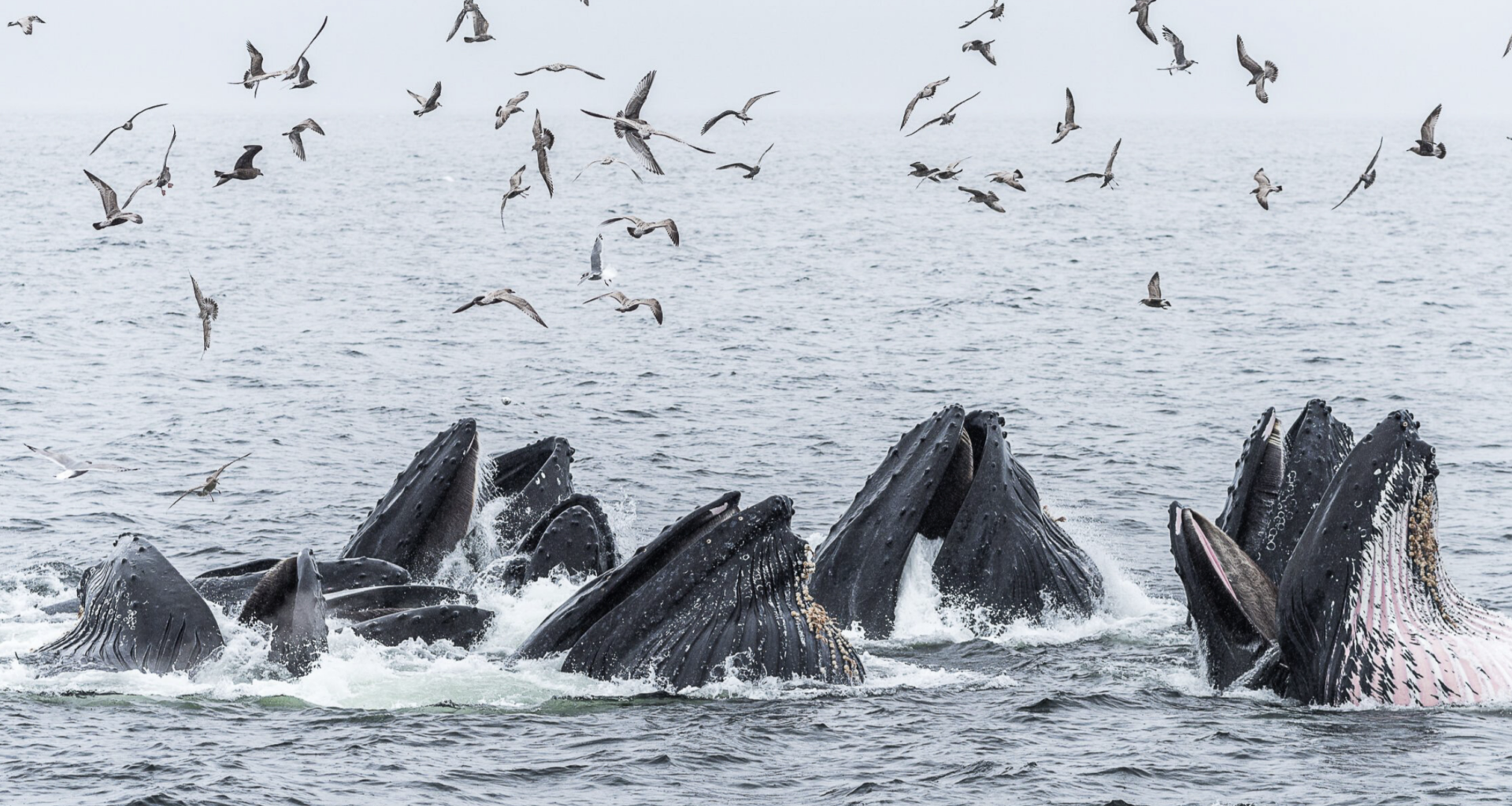
By analysing long-term social network data, the study shows that the spread of bubble netting behaviour is tightly linked to whale social structure, with knowledge passing through key individuals and groups
Researchers believe this bubble net feeding behaviour might have been introduced by immigrant whales from other areas, like humpbacks from Alaska.
Lead author from the University of St Andrews Dr Éadin O’Mahony, said: “Bubble-net feeding isn’t just a foraging trick, it’s a form of shared knowledge that strengthens the resilience of the entire population,”
She added: “Species recovery isn’t just a numbers game, as the number of whales fluctuates, the distribution of cultural knowledge within the population may determine how well they adapt to change.
While the evolutionary importance of importing of new ideas is well known in human societies, this new study shows that it can also be important for whales. The findings therefore emphasise the significance of integrating animal culture into marine management, particularly as human impacts on the ecosystem intensify.
Co Author Dr Luke Rendell, Reader in the School of Biology from the University of St Andrews, said: “This study reinforces our growing understanding that the flow and spread of information in animal societies is a vital part of their ability to thrive”