
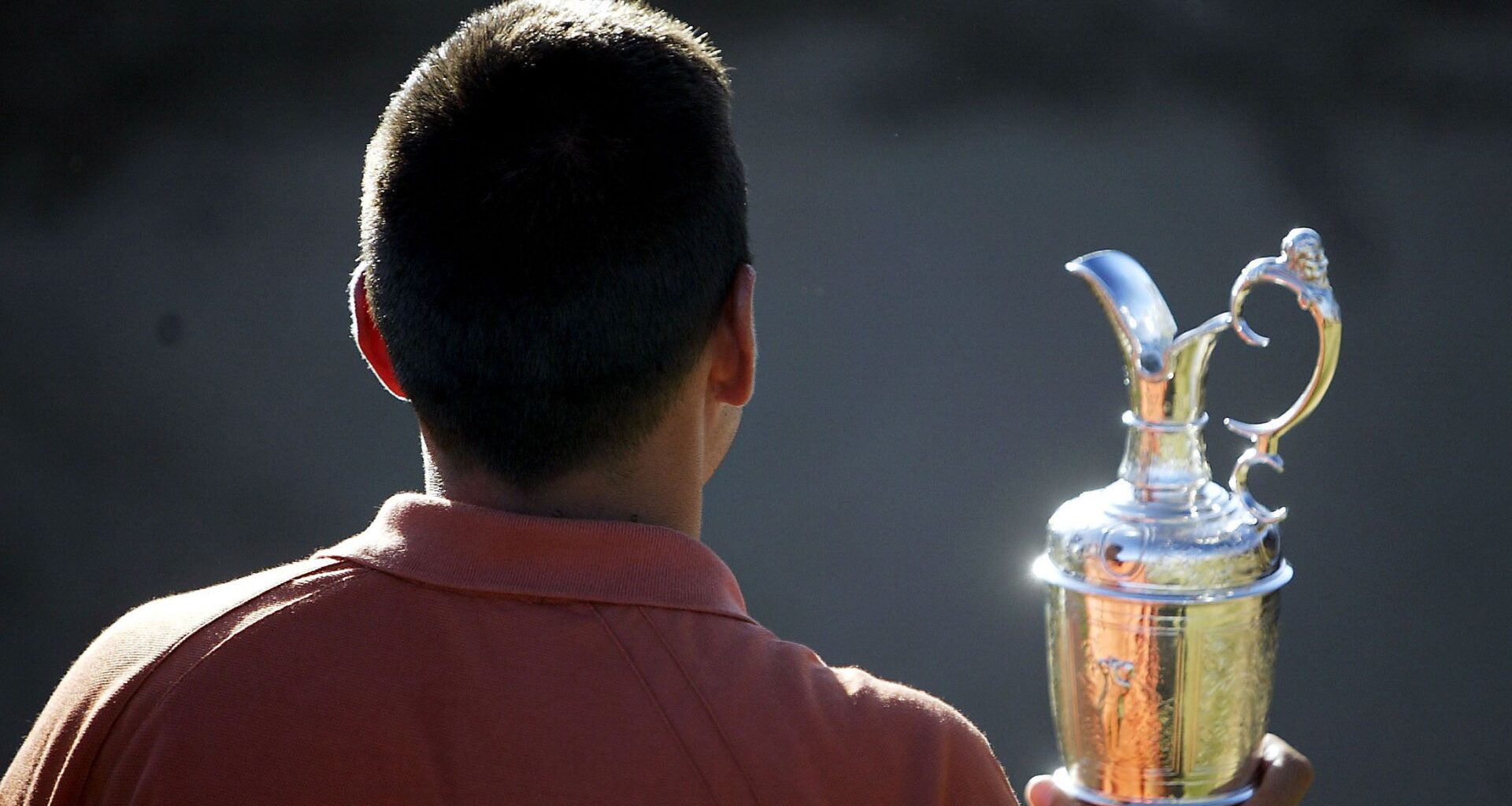
Winning a Major Championship is the pinnacle of individual golfing achievement and the players who do so will always be a part of the game’s rich history.
But not all major winners are created equal. Of course, there are the true greats of the game, the multiple champions like Nicklaus, Woods, Hagen and Hogan – players who occupy a place in the pantheon of sporting greats. They were favourites every time they teed it up. They were expected to win.
Then there are Major champions known to all golf fans – Mickelson, McIlroy, Watson, Faldo, Ballesteros. These are golfing legends, and were/are always likely candidates in pre-tournament discussions.
You may like
Here we look at ten of the least heralded men’s major winners of all time.
Ben Curtis – 2003 Open Championship
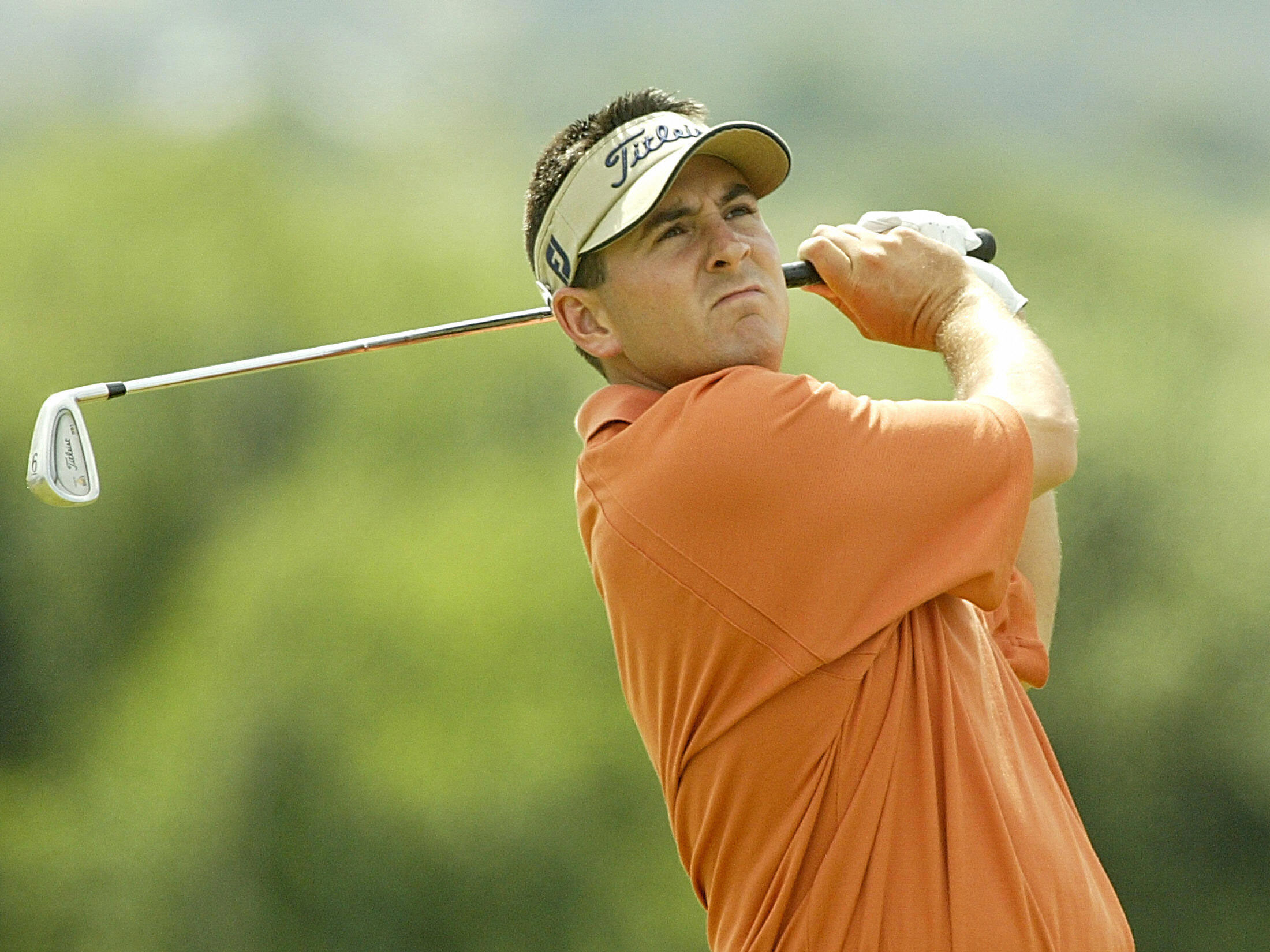
Ben Curtis at Sandwich in 2003
(Image credit: Getty Images)
Ben Curtis was 396th on the Official World Golf Ranking going into The Open Championship at Royal St George’s in 2003.
He’d turned professional in 2000, played on the Hooters Tour and earned his PGA Tour playing rights for the first time in 2003.
He didn’t post any top-25 finishes in the early part of the year but then managed a tie for 13th in the Western Open which gave him a last-minute entry into his first Major – the 132nd Open Championship.
You may like
Safe to say, he wasn’t high on the list of favourites. In fact, most bookies had him as a 300-1 rank outsider.
After three rounds, Curtis was in contention though, just two back of Thomas Bjorn. But very few were mentioning his name as a potential winner. Also two back of the lead were Vijay Singh, Sergio Garcia and a certain Tiger Woods.
But it was Curtis who came out on top on Sunday. The Ohioan carded a closing 69 to sneak past Bjorn, whose hopes were dashed in a greenside bunker on the 16th.
Curtis was the first player to win on Major championship debut since Francis Ouimet in 1913 and he remains the highest ranked player ever to win a Major.
Jack Fleck – 1955 US Open
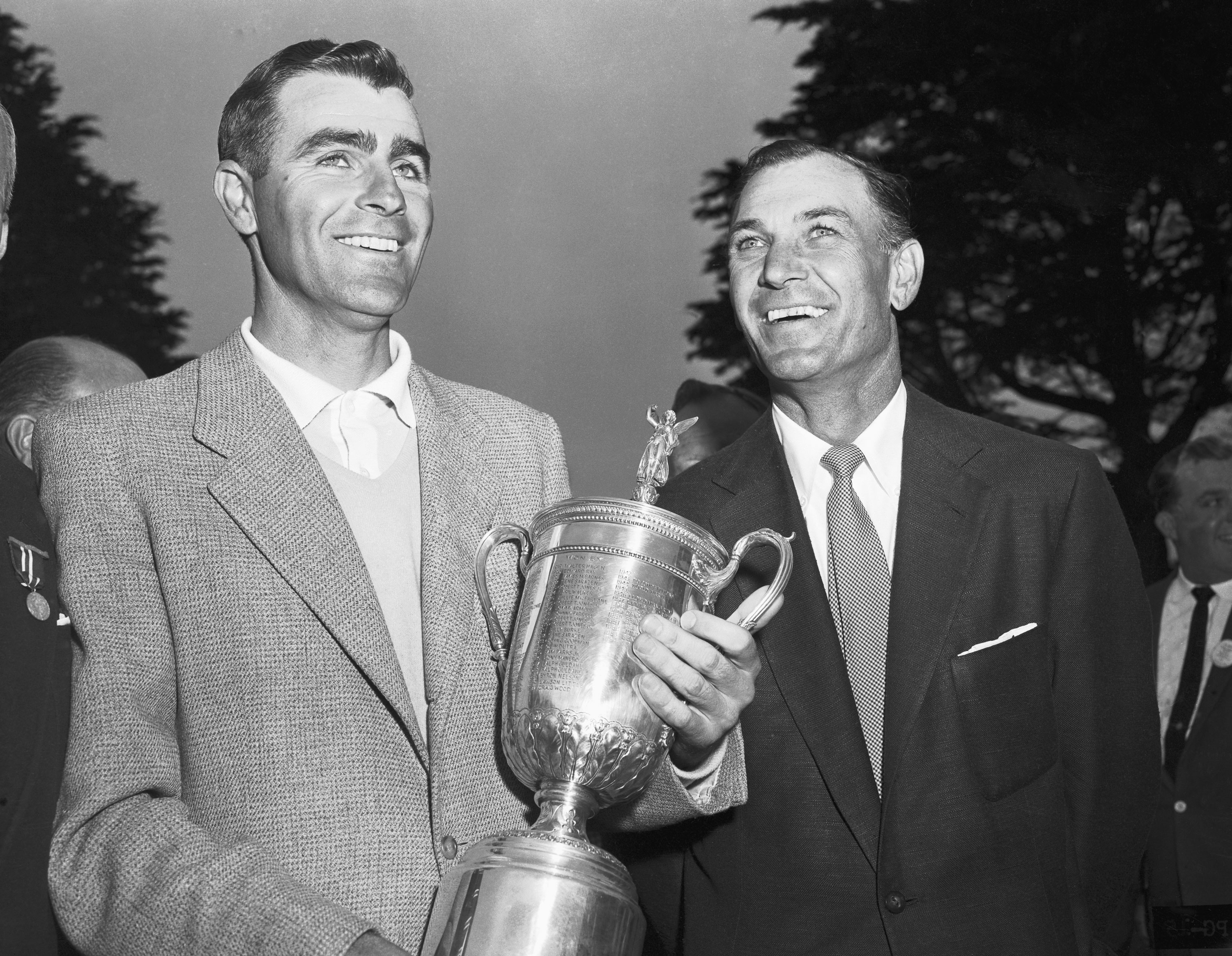
Jack Fleck and Ben Hogan at the 1955 US Open
(Image credit: Getty Images)
When Ben Hogan finished his final round in the 1955 US Open at Olympic Club, there were few who thought he hadn’t won it.
In fact, Gene Sarazen signed off NBC’s coverage by congratulating Hogan on his victory.
Not many, if any, accounted for Jack Fleck, who still had four to play. But the journeyman made two birdies coming in, including on the 72nd, to tie the great Hogan.
In the following day’s 18-hole playoff, Fleck won with a 69 against Hogan’s 72.
Fleck had driven 49 hours from Iowa to compete in the event. He’d never won on the PGA Tour and was up against one of the best who had ever swung a club. It remains one of the biggest upsets in golf’s history.
Fleck was not the man the majority of golf fans wanted to win at Olympic Club. The golfing public longed for a different result. Even Fleck’s own son said to him, “I rooted for you dad, but I was sorry Hogan lost.”
Francis Ouimet – 1913 US Open
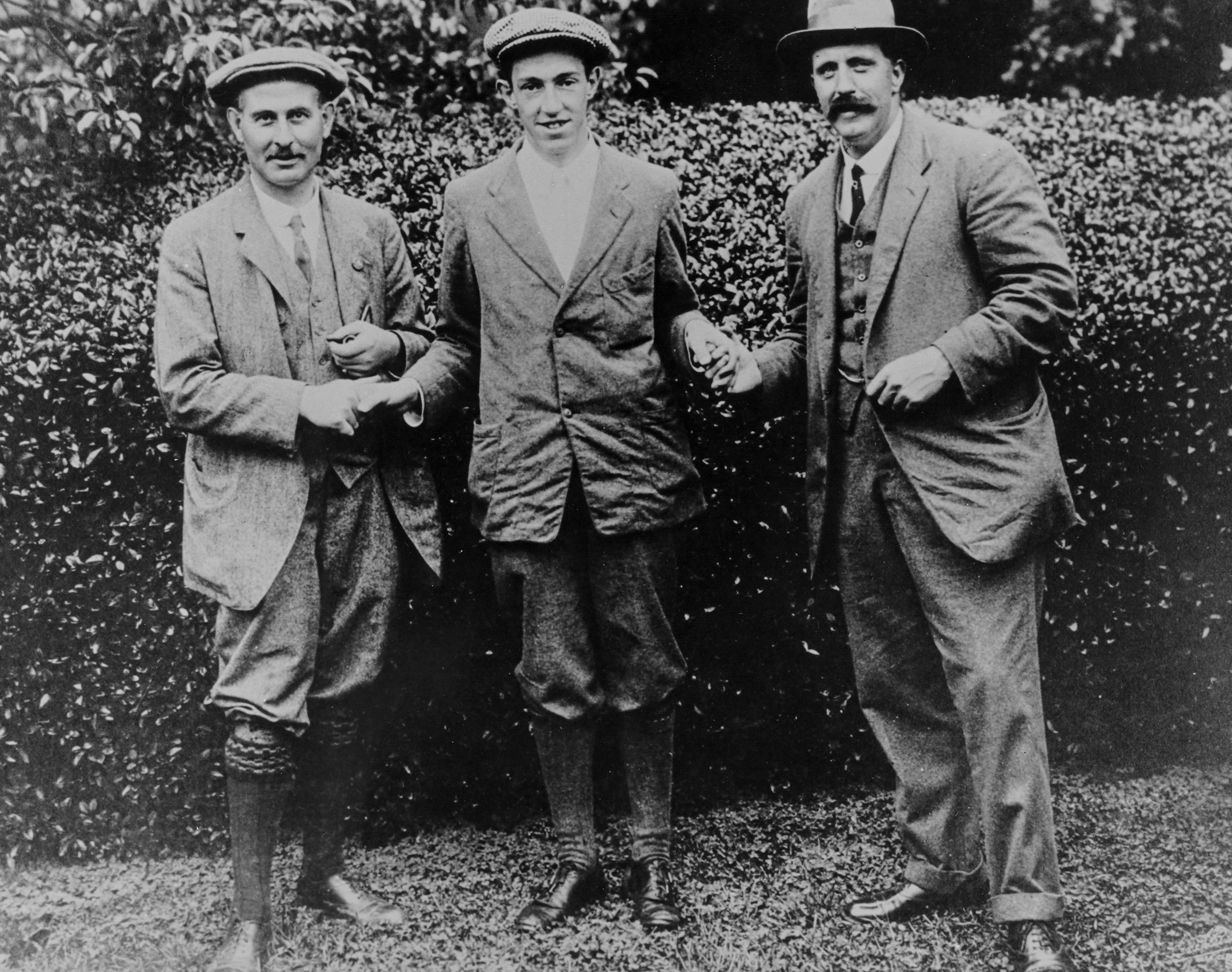
Francis Ouimet with Harry Vardon and Ted Ray
(Image credit: Getty Images)
In 1913, the great Harry Vardon and fellow Jerseyman Ted Ray travelled to the USA for a tour that would include the US Open at Brookline.
Vardon had won the US Open in 1900 and had five Open Championship titles to his name.
Ted Ray had won the Open Championship of 1912 and was one of the most powerful players of the age. Most correspondents at the time felt that one of the two would end up taking the 1913 US Open title back across the pond with them.
Two-time defending champ John McDermott, a young Walter Hagen and Jerome Travers might have had something to say, but it was a little-known amateur who stepped in to spoil the Jerseymen’s party.
20-year-old, former Brookline caddy Francis Ouimet was given a late place in the US Open field and he made the very most of it.
Caddied for by a 10-year-old local called Eddie Lowery, Ouimet took advantage of his local knowledge to tie Vardon and Ray through 72 holes.
Against all the odds and almost all opinion, Ouimet then fired a 72 in the 18-hole play-off to cause one of sport’s all-time great upsets.
John Daly – 1991 PGA Championship
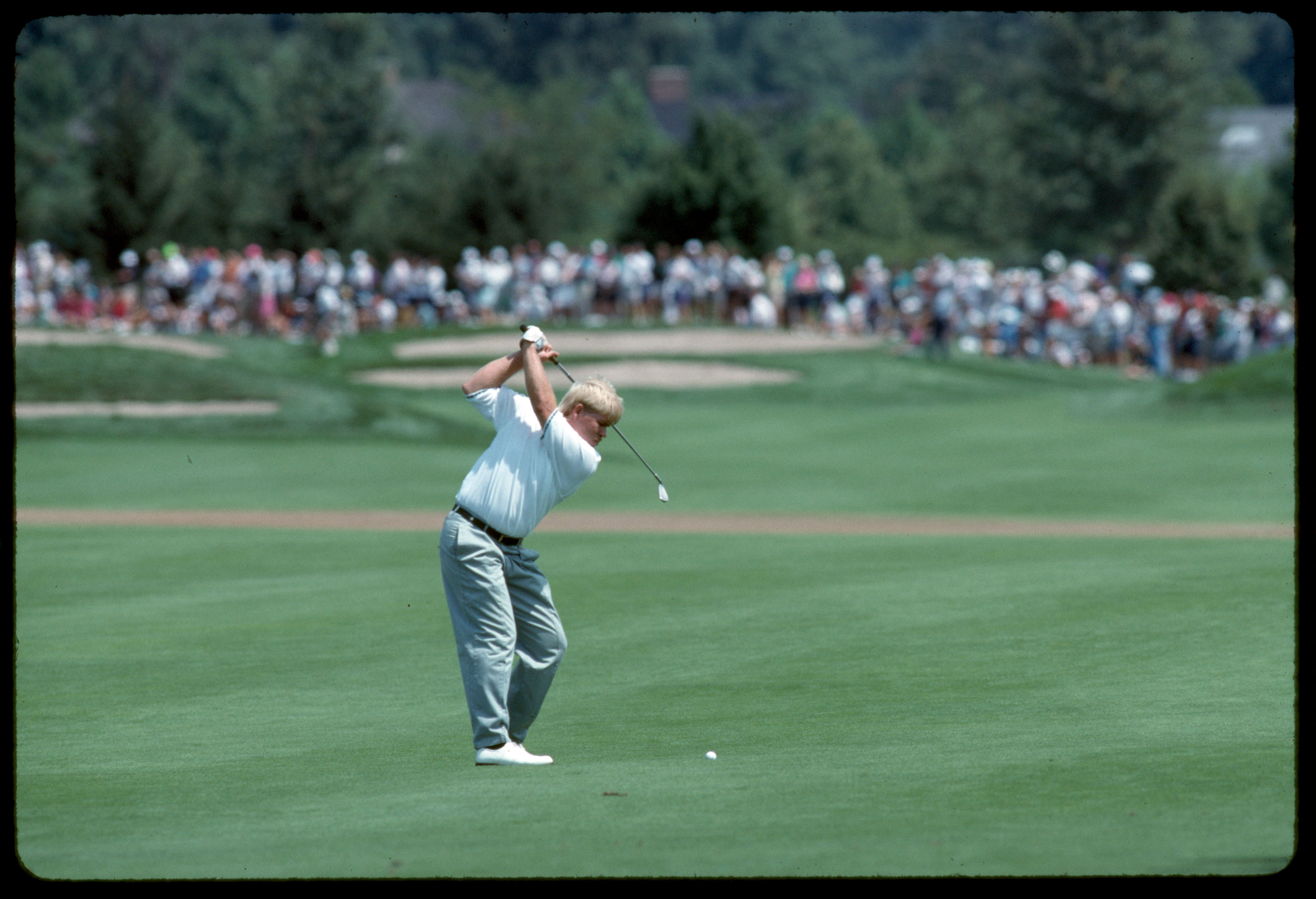
John Daly at Crooked Stick in 1991
(Image credit: Getty Images)
In his first full season on the PGA Tour, heavy-drinking, chain-smoking, mullet-sporting 25-year-old John Daly had made 13 cuts by the time of the 1991 US PGA Championship at Crooked Stick Country Club, Indiana.
But he’d also made less than $200,000 and was not an automatic qualifier for the year’s last Major. In fact, he was ninth reserve.
Aside from an extraordinary series of events that led to withdrawals, including Gibby Gilbert developing a inner-ear problem and Nick Price’s wife having a baby, Daly would not have been playing.
But he got the final slot, picked up Nick Price’s caddy Jeff “Squeaky” Medlin for the week and set about causing an upset.
He didn’t know the course so just blast everything over Pete Dye’s hazards and doglegs. They had been set up to catch the longest hitters but hadn’t accounted for Daly.
He’d only played in two previous Majors (both US Opens) but he clearly wasn’t daunted. He continued to hit a monstrous ball and went into the final round with a three-shot lead.
He held his advantage on Sunday and scored one of the most unlikely Major victories in the history of the sport.
Michael Campbell – 2005 US Open
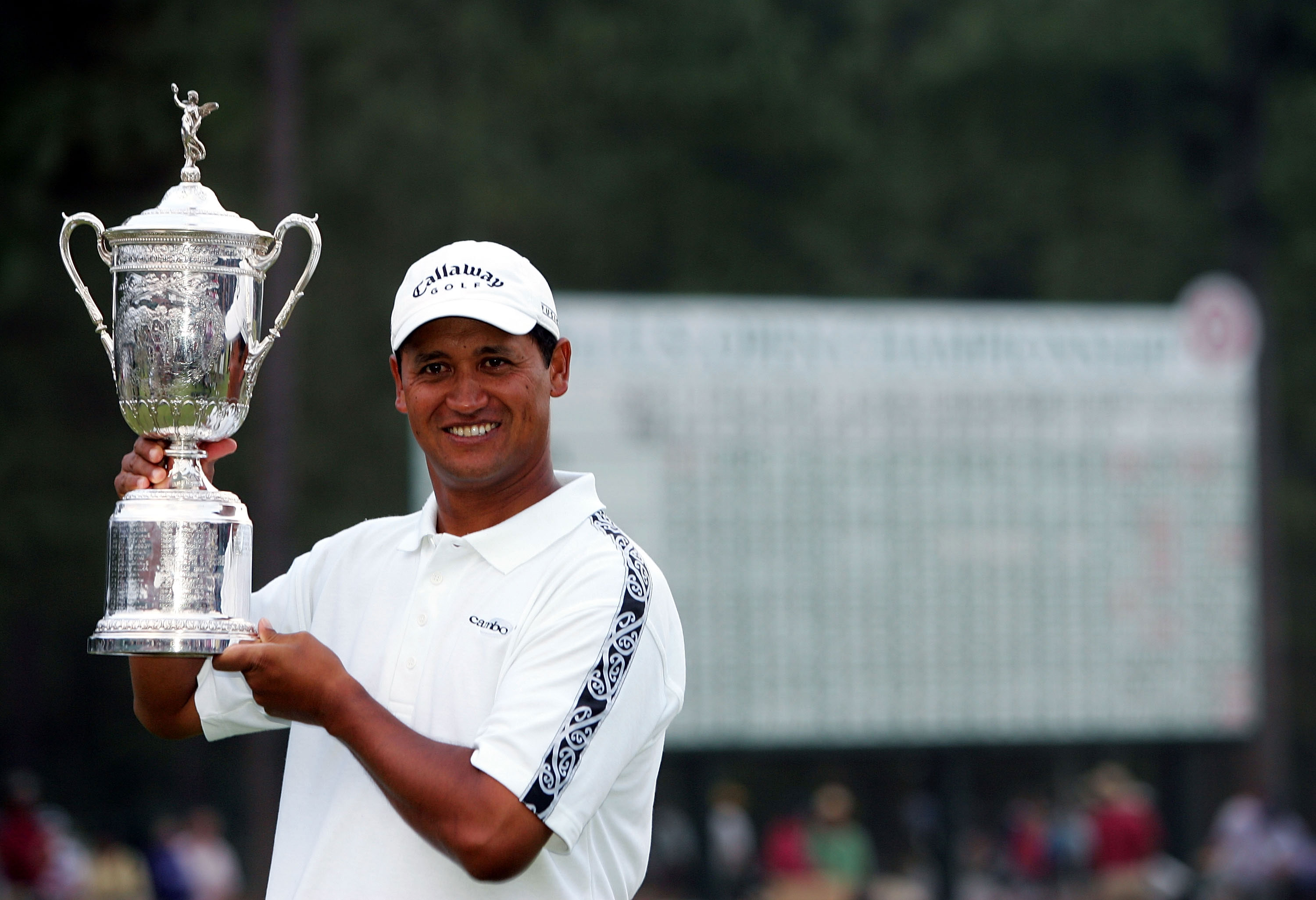
Michael Campbell at the 2005 US Open
(Image credit: Getty Images)
Campbell had first come to the golfing public’s attention in the 1995 Open Championship in which he led through 54 holes but slipped back into a tie for third after a closing 76.
His form after that was patchy, although he did pick up six victories on the European Tour between 1999 and 2003. In 2005, he enjoyed some decent results in the first part of the season, but still had to qualify for the U.S. Open at European sectional qualifying at Walton Heath.
The New Zealander opened with a 71 at Pinehurst to share 17th spot.
He continued to fly under the radar until the final round. Most of the attention on Sunday was on Retief Goosen – the two-time champ led by three shots from Olin Browne and Jason Gore.
Campbell was a further shot behind. But all three of those ahead of the Kiwi crumbled over the closing 18. Goosen fired an 81, Gore carded an 84 and Browne an 80.
Campbell carded a fine 69 to win by two shots from Tiger Woods. He won again later in 2005 – the HSBC World Match Play, but that was his last victory.
YE Yang – 2009 PGA Championship
(Image credit: Getty Images)
Tiger Woods led by two shots going into the final round of the 2009 US PGA at Hazeltine National GC. The 14-time Major champion had never lost when leading through 54 holes of a Major Championship.
Most were already handing Tiger the title, but South Korea’s Yang Yong-eun had other ideas.
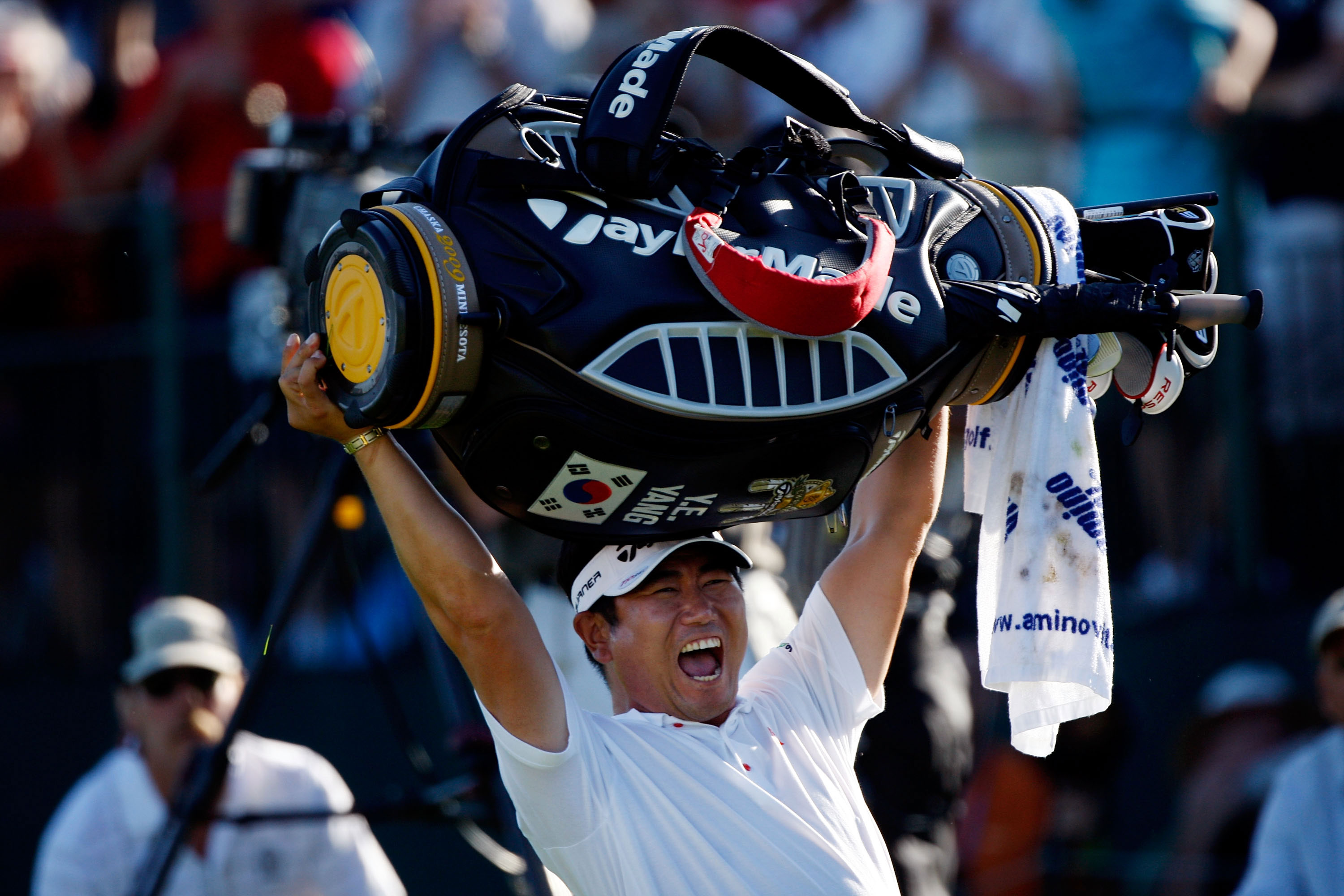
Displaying huge mental strength as well as some tremendous golf, Yang, who was ranked 110th in the world, outplayed the World No.1 that final day.
He chipped in for eagle on the 14th to take the lead and then capped his giant-killing performance with a magnificent approach to the final green.
A drawn hybrid shot ended less than 10 feet from the cup to set up a closing birdie and three shot victory.
Yang, the first Asian-born player to win a men’s Major, lofted his tour bag above his head in animated celebration.
Alf Perry – 1935 Open Championship
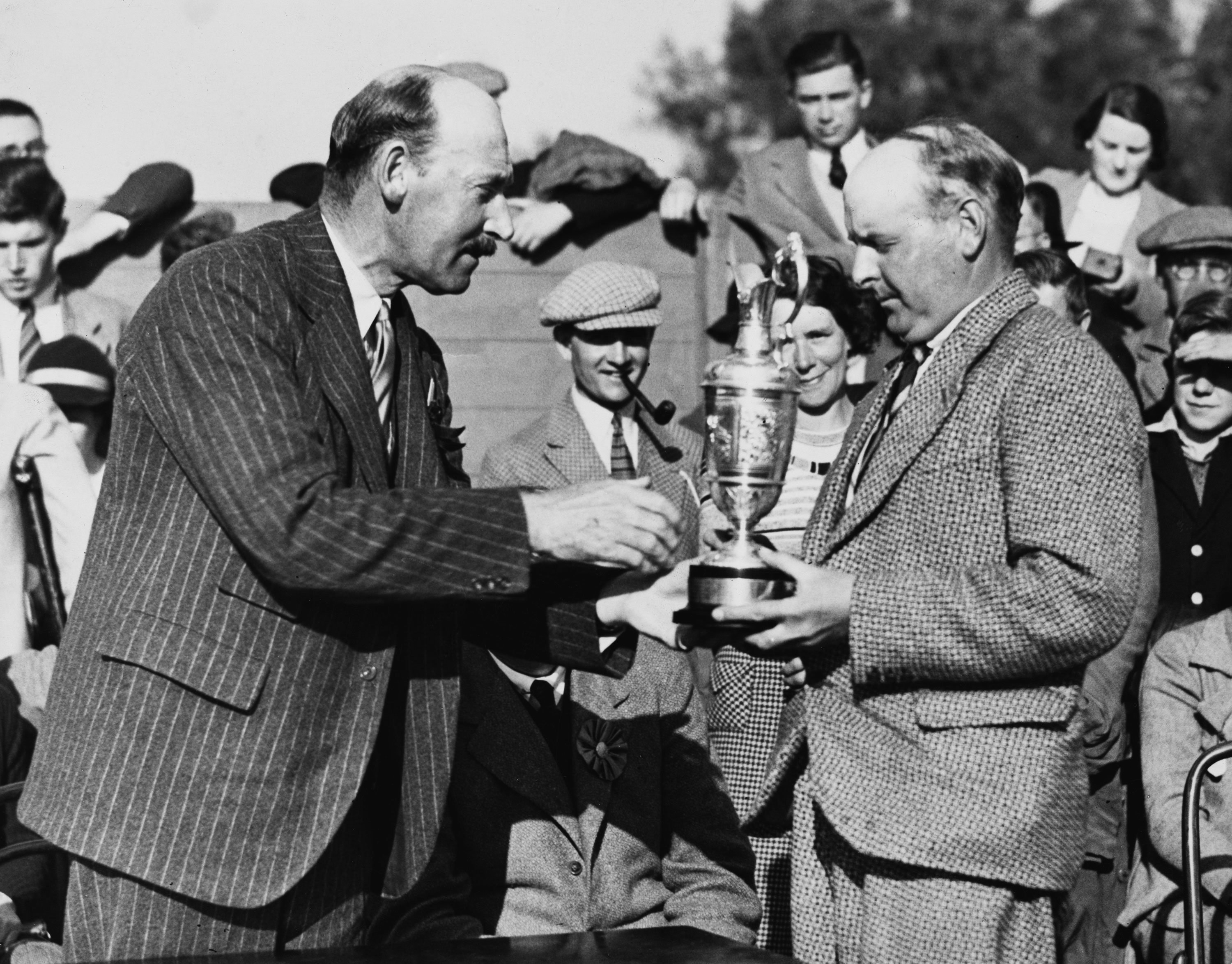
Alf Perry receives the Claret Jug in 1935
(Image credit: Getty Images)
The 1934 Open had been won by the famous Englishman Henry Cotton. He took the lead after the opening round at Muirfield in 1935. Many thought he would successfully defend his title.
It wasn’t to be, though, and Cotton fell back with poor second and third rounds.
It turned out to be little-known Alf Perry who came through the pack and claimed the victory.
He had no particular pedigree going into the championship, save for a couple of PGA Assistant’s championship victories.
Although he’d played in six previous Opens, he’d never finished better than tied for 16th.
Perry won four further professional tournaments and recorded a tie for third in the 1939 Open.
He played in three Ryder Cups but only managed one half from the four matches he played in.
Perry was professional at Leatherhead Golf Club until his retirement in 1972.
Steve Jones – 1996 US Open
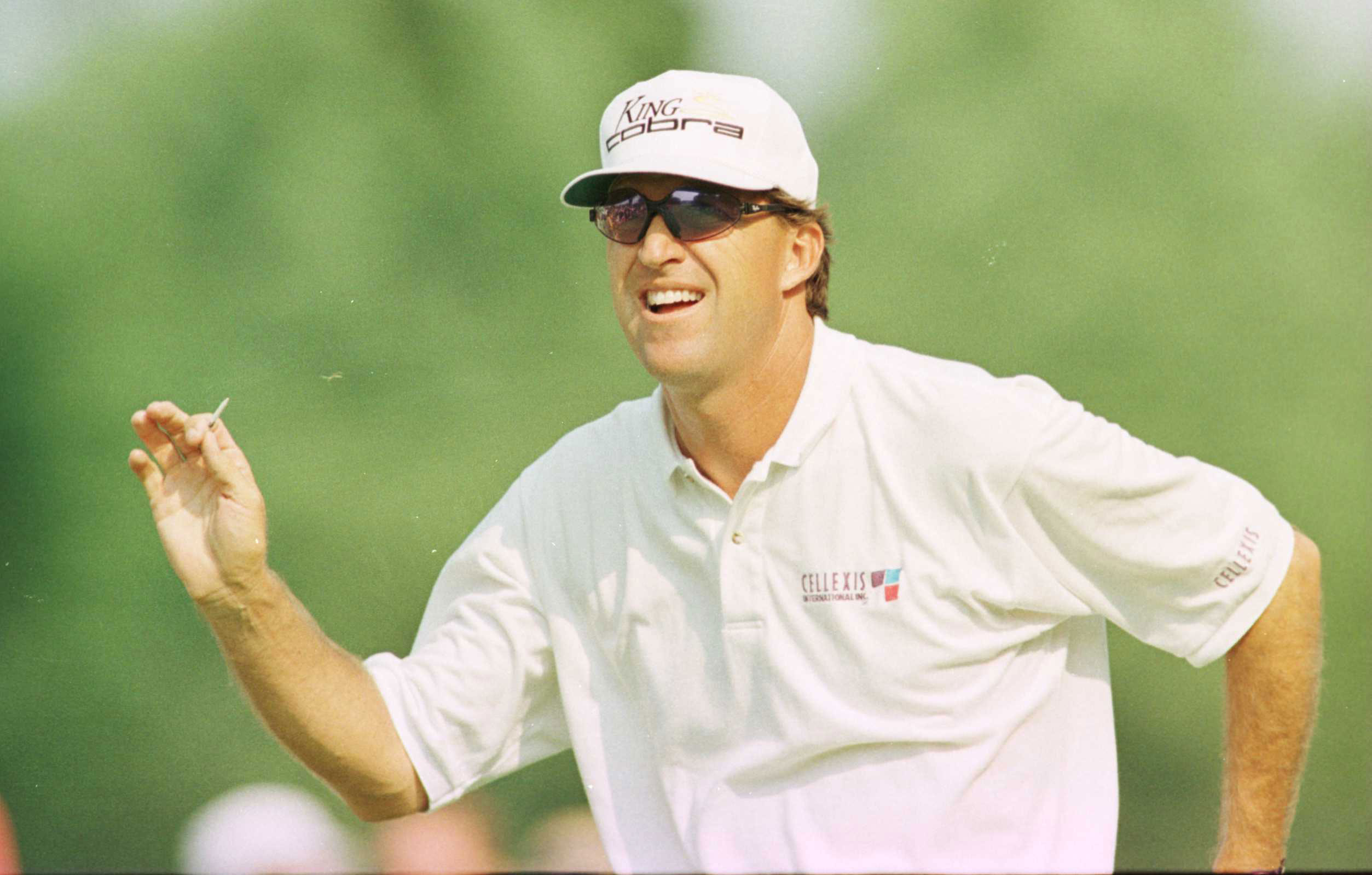
Steve Jones – 1996 US Open winner
(Image credit: Getty Images)
After turning pro in 1981, Steve Jones enjoyed a degree of success on the PGA Tour. He won four tournaments in 1988 and 1989.
But in 1991, Jones was in a dirt bike accident and severely injured himself, separating a shoulder, spraining an ankle and damaging ligaments in his left index finger.
He was sidelined for three years and when he came back in 1995, he had to play with a modified grip where he used a reverse overlap – left index finger over right hand little finger.
Jones had a few decent results in the first half of 1996 but was still a significant outsider at Bloomfield Hills in Michigan. He had made it to the event through sectional qualifying.
After two rounds, Payne Stewart led with Ernie Els and Greg Norman just behind… It looked likely this event would be fought out between some of golf’s biggest stars.
But Jones had other ideas. He finished with a pair of 69s as the more fancied players faded. Jones won by a stroke from Tom Lehman and Davis Love III.
Orville Moody – 1969 US Open
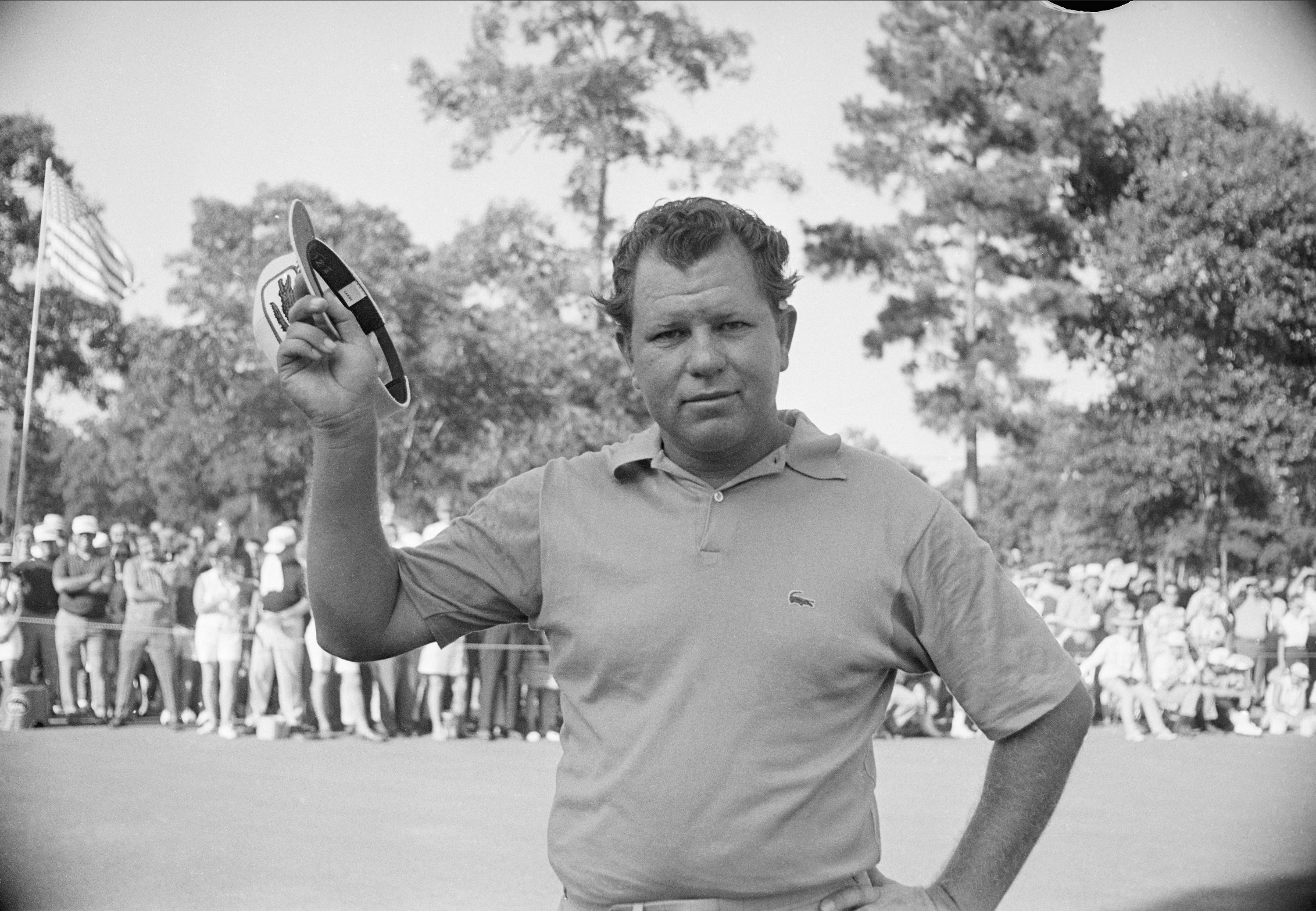
(Image credit: Getty Images)
Orville Moody was a 14-year army veteran who came back to golf in 1967. He came through local and sectional qualifying to earn his place in the 1969 US Open at the Champions Golf Club in Houston.
The field was stacked with star players like Jack Nicklaus, Arnold Palmer, Gary Player and Lee Trevino. Moody was hardly considered one of the favourites. The 35-year-old had never won a PGA Tour event.
But after rounds of 71, 70 and 68, “Sarge”, as he was called by fellow players because he rose to the rank of sergeant in the army, was just a shot back of Miller Barber with one round to play.
Barber fell away on the final day and Moody took advantage. There was pressure from those behind, but Moody held on to win by a shot from Deane Beman. The US Open victory was the only PGA Tour title of his career.
He and Ken Venturi are the only players to win the US Open coming through both local and sectional qualifying.
Todd Hamilton – 2004 Open Championship
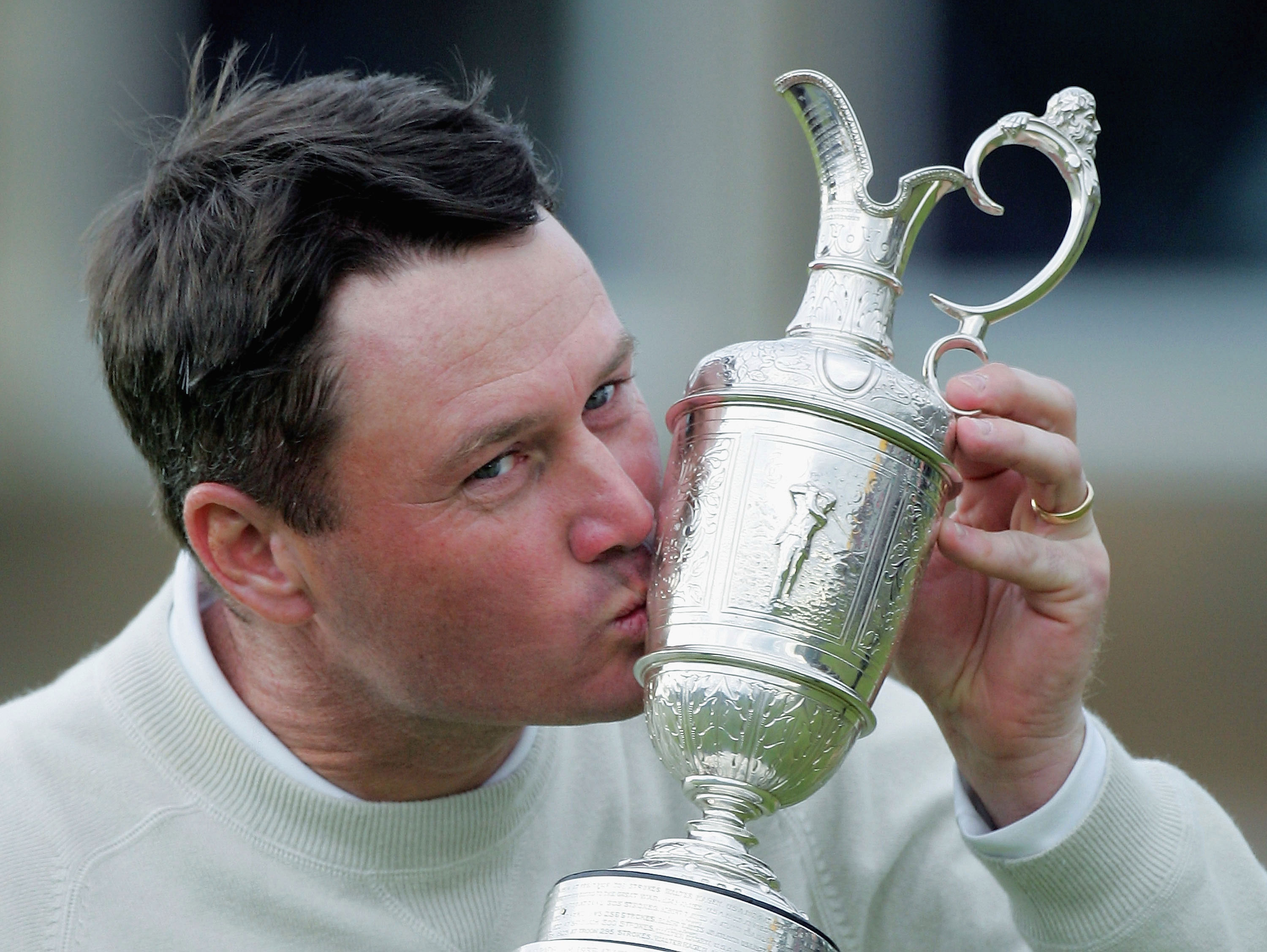
Todd Hamilton was an unlikely winner at Royal Troon
(Image credit: Getty Images)
Hamilton was not exactly an unknown quantity when he won the 2004 Open Championship at Royal Troon, although the result was considered a significant upset.
The American had been a professional since 1987 and had enjoyed significant success on both the Asian and Japan Golf Tours.
He had won the Honda Classic earlier in 2004, beating Davis Love III by a stroke.
But he wasn’t the champion that most wanted at Royal Troon that year. Most were rooting for popular South African Ernie Els and when a playoff ensued between Els and Hamilton, consensus was there would be only one outcome.
It was Hamilton who prevailed, though, and claimed his sole Major title.
The victory was very much the highpoint of Hamilton’s career, even if not much celebrated by the golf-viewing public. He went on to miss 111 cuts in his next 186 PGA Tour starts and never won another tournament.
Memories of his unlikely win at Troon faded quickly and his win is something of a footnote in the history of the grand old championship.
There were several other contenders for my top 10. Two-time US Open champion Andy North was unheralded before his first victory. He certainly wasn’t a favourite before his second either!
The 1953 US PGA winner, Walter Burkemo, hadn’t won on the PGA Tour before taking that title and only won once more after that.
Lew Worsham beat the great Sam Snead in a playoff for the 1947 US Open.
Keegan Bradley won on his Major debut. Others, like Rich Beem and Shaun Micheel, were unexpected champions.
These were all great players and it shows the unpredictable nature of golf. On any given week, a player can find their best form and produce a performance of a lifetime. If it happens in the week of one of the big four events, an unheralded golfer can become a Major Champion.