
Sign up for our newsletter and get our latest content in your inbox.
A 1-inch by 1-inch swatch of muslin fabric from the original Wright Flyer, flown by Wilbur and Orville Wright in December 1903, will travel aboard NASA’s Artemis II mission, linking the dawn of human flight with the next chapter of crewed lunar exploration.
For aviation enthusiasts, the symbolism is unmistakable. The same material that once lifted for just 12 seconds and 120 feet will now circle the Moon, carried inside the Orion spacecraft as part of Artemis II’s official flight kit.
A symbolic passenger on NASA’s Artemis II mission
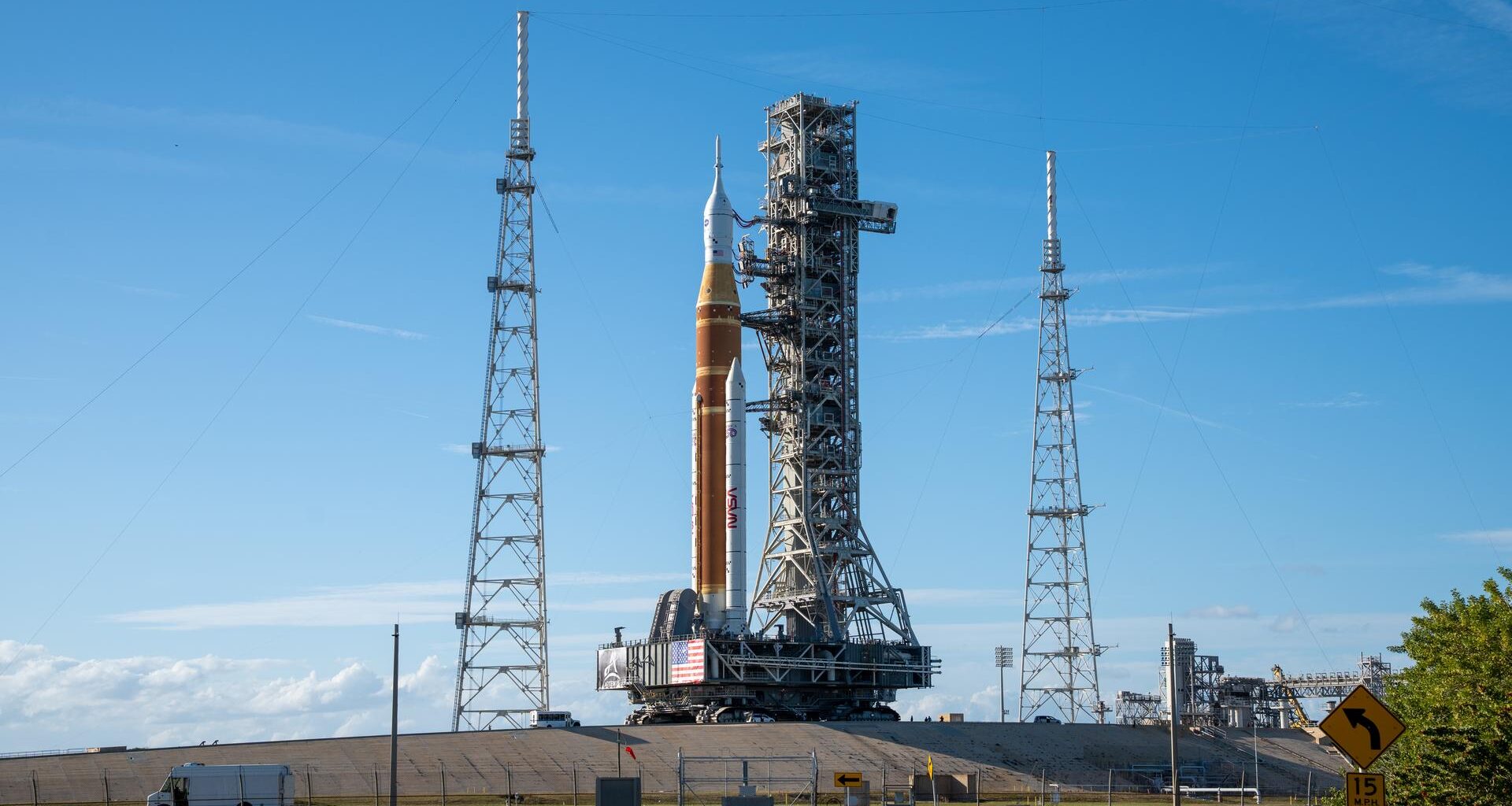
Artemis II will be the first crewed flight of NASA’s Artemis programme, sending four astronauts on a lunar flyby to validate Orion’s life-support, navigation and re-entry systems ahead of future Moon landings.
While the mission’s technical objectives are formidable, NASA has also packed Orion with a carefully curated collection of artefacts, mementoes and experimental materials, continuing a tradition that dates back to the earliest days of human spaceflight.
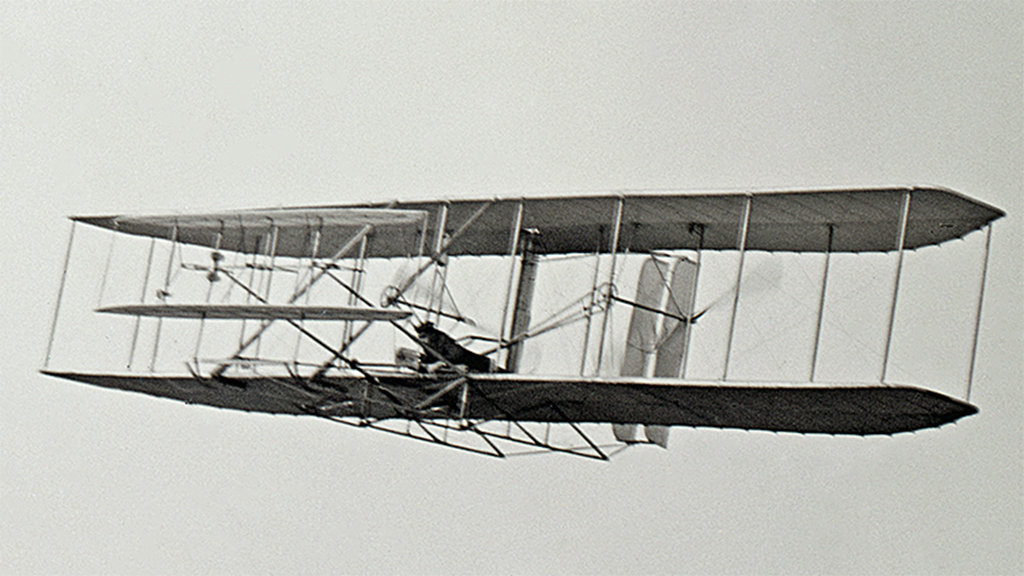 Photo: Wikimedia
Among those items, the Wright Flyer fabric stands out. Preserved by the Smithsonian Institution, the muslin swatch is a direct physical link to the moment when powered, controlled flight first became possible. Its inclusion reflects a long-standing NASA practice of flying artefacts from aviation history on milestone missions, underscoring the continuity between early aeronautical innovation and modern spaceflight.
What else is flying with NASA’s Artemis II mission?
The Wright Flyer swatch is just one of dozens of items listed in the Artemis II Official Flight Kit, a multi-page inventory that offers a revealing snapshot of the mission’s cultural, institutional and scientific breadth.
According to NASA documentation, the flight kit includes:
Shavings from the Space Launch System (SLS) core stage, representing the rocket that will propel Orion beyond Earth orbit
A previously unflown Apollo 18 mission flag, a quiet nod to the cancelled Apollo missions that never left the ground
A US flag flown on STS-1, STS-135 and SpaceX Demo-2, linking Artemis to the beginning and end of the Space Shuttle era
Moon tree soil, carried in small bags as part of NASA’s long-running effort to study how lunar material influences plant growth
Seeds, including zinnia and chile peppers, continuing biological exposure experiments in deep space
A copy of a JPL Ranger Program lunar photo negative, recalling America’s first robotic attempts to reach the Moon
Hundreds of mission patches, pins, seals and flags representing NASA centres, international partners and programme teams
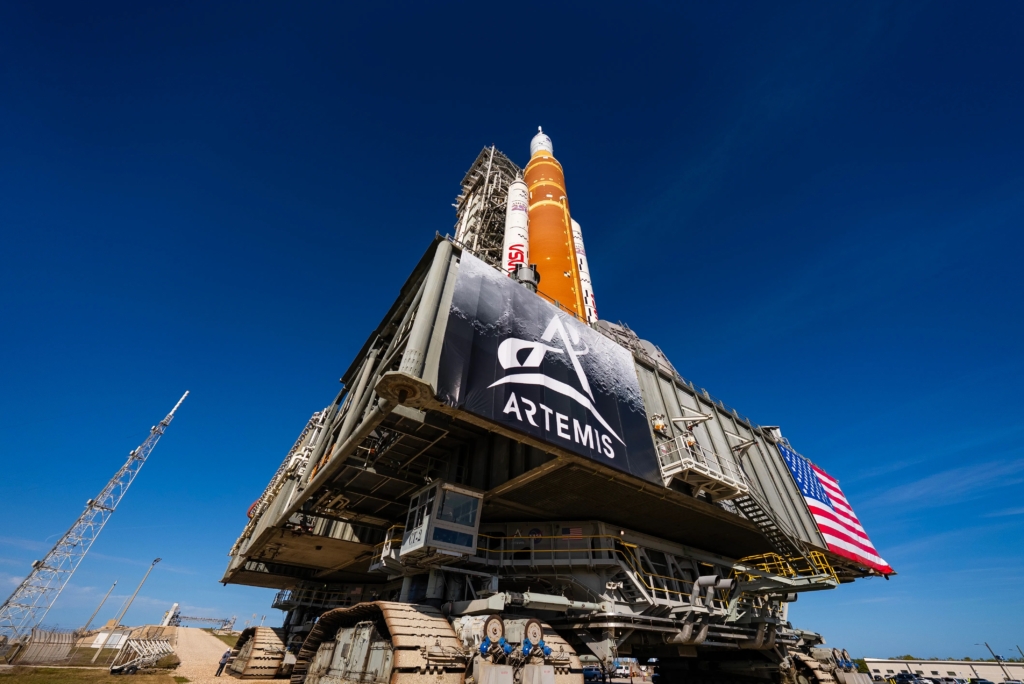 Photo: NASA
Also included is an SD card containing the millions of names submitted through the “Send Your Name to Space” campaign, bringing the public along on the journey. Many of the flags, patches and pins will be distributed after the mission to stakeholders and employees who contributed to the flight.
Stickers and patches from the Canadian Space Agency will fly, while the European Space Agency will include a flag in the kit for post-mission distribution. ESA also provides Orion’s European Service Module, the powerhouse of the spacecraft.
Taken together, the collection reflects how Artemis II is not just a test flight, but a symbolic bridge connecting multiple eras of exploration.
The Wright brothers’ legacy, from first flight to Artemis II
The decision to fly a piece of the Wright Flyer is especially resonant for Artemis. In 1903, the Flyer was an experimental machine built of wood, wire and fabric, powered by a modest engine and flown close to the ground.
Yet its success reshaped transportation, warfare and global society within a single generation.
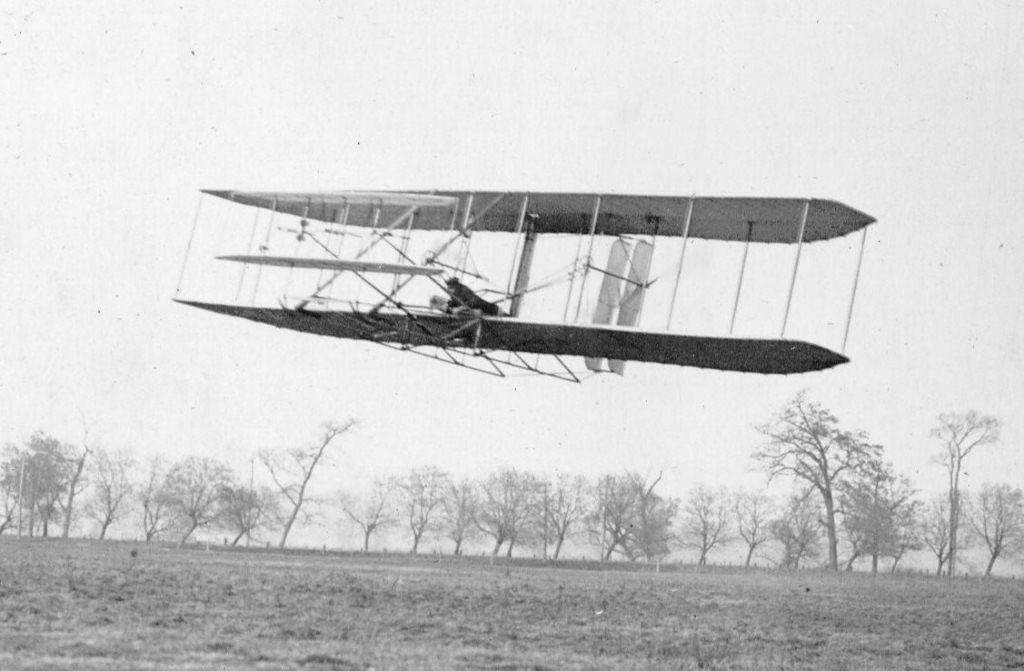 Photo: Wright Airplanes
NASA has frequently drawn parallels between that moment and today’s push back to the Moon. Like early aviation, Artemis combines experimental engineering, political will and a belief that sustained presence beyond Earth will unlock new capabilities.
The muslin swatch, modest in size but immense in meaning, embodies that arc. It is a reminder that every leap forward begins with fragile hardware, uncertain outcomes and a willingness to test the unknown.
NASA’s tradition of flying historic artefacts into space
Flying historical artefacts is a well-established NASA tradition. Pieces of the Wright Flyer have previously travelled aboard the Space Shuttle and the Mars Helicopter Ingenuity, which carried a fragment of the Flyer’s fabric to the Red Planet in 2021.
Artemis II continues that lineage, placing the Wright brothers’ legacy aboard a mission that will carry humans farther from Earth than any crew since Apollo 17.
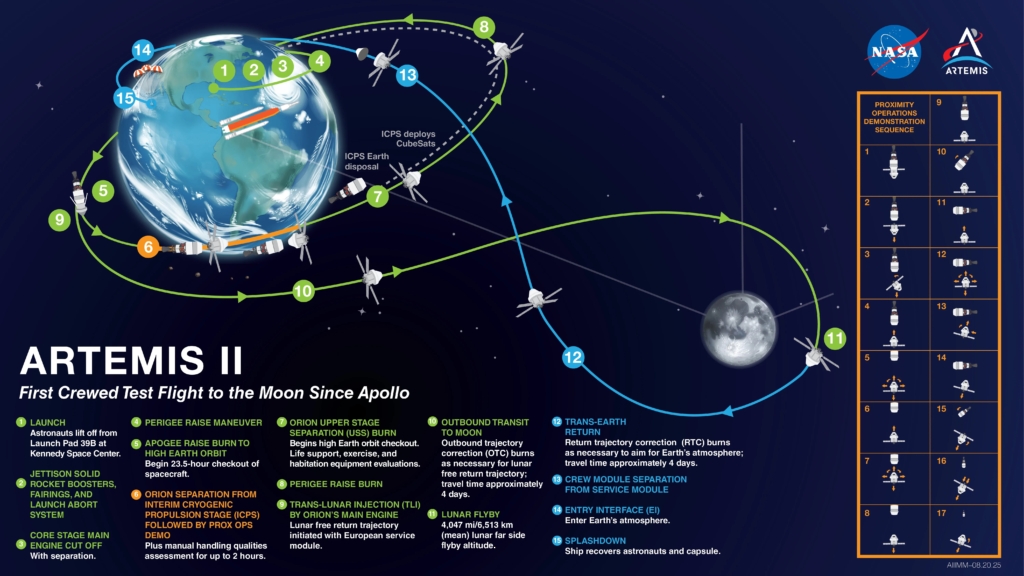 Photo: NASA
For the astronauts aboard Orion, the fabric will not be visible during flight. Its presence is nevertheless deliberate. NASA officials have often said such artefacts serve as quiet reminders that exploration is cumulative, built on layers of success, failure and persistence.
Science and symbolism aboard Artemis II
While many items in the flight kit are symbolic, others have practical or scientific value.
The moon tree soil and seed packets, for example, contribute to ongoing studies of how deep-space radiation and microgravity affect biological material. The entry, descent and landing material swatch will gather data relevant to future spacecraft design.
Even the flags and patches serve a purpose beyond ceremony, reinforcing ties with international partners such as the European Space Agency and the Canadian Space Agency, whose astronaut Jeremy Hansen will fly on Artemis II.
A small square of Wright Flyer fabric on a journey to the Moon
In practical terms, the Wright Flyer swatch weighs almost nothing. In historical terms, it carries more than a century of ambition.
When Artemis II lifts off, that small square of muslin will leave Earth atop the most powerful rocket NASA has ever built, tracing a path that would have been unimaginable to Wilbur and Orville Wright.
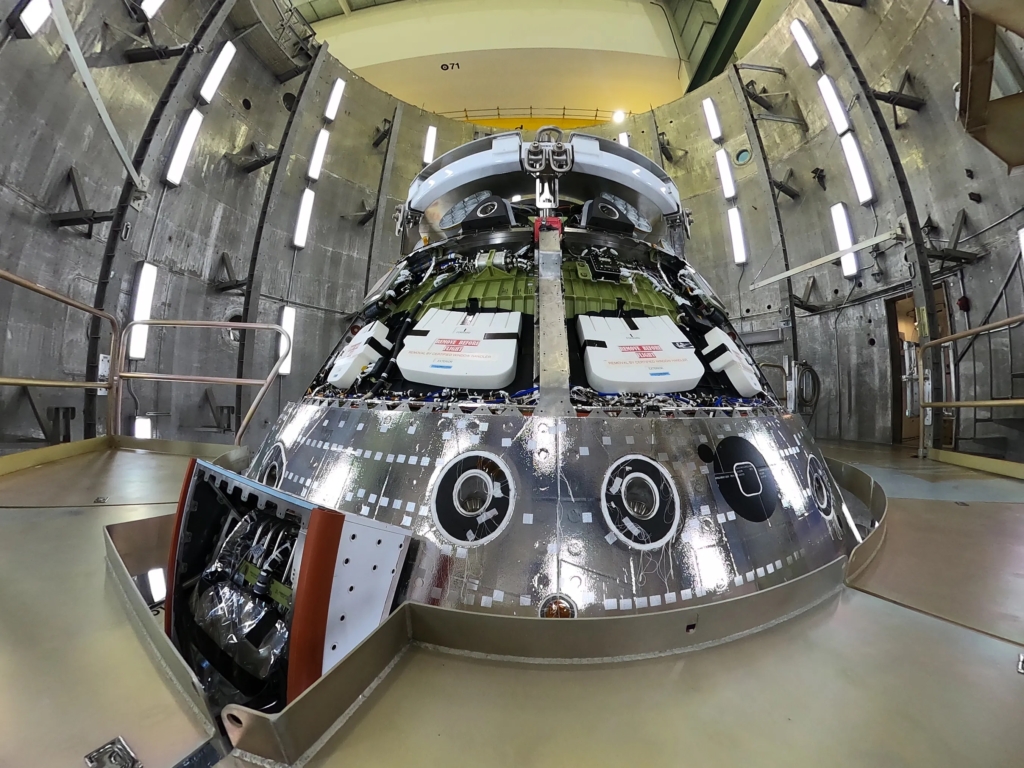 Photo: NASA
Yet the logic connecting the two moments is clear. Progress in flight, whether measured in feet or hundreds of thousands of kilometres, is always incremental and always built on what came before.
“Historical artefacts flying aboard Artemis II reflect the long arc of American exploration and the generations of innovators who made this moment possible,” said NASA Administrator Jared Isaacman.
“This mission will bring together pieces of our earliest achievements in aviation, defining moments from human spaceflight, and symbols of where we’re headed next. During America’s 250th anniversary, Orion will carry astronauts around the Moon while also carrying our history forward into the next chapter beyond Earth.”
Featured image: NASA
Sign up for our newsletter and get our latest content in your
inbox.