
Key Points
Winter vegetables like spinach, potatoes, and Brussels sprouts provide modest protein, plus fiber, vitamins, and antioxidants that support overall health.Hardy winter vegetables help boost protein intake while delivering nutrients that aid digestion, immunity, and heart health during colder months.Versatile, protein-rich vegetables can be roasted, sautéed, blended, or added to soups and grains to enhance everyday meals.
When it comes to protein, vegetables are an underrated source. Granted, they don’t have as much as some other foods, but they can still contribute to your overall intake. It also doesn’t hurt that vegetables provide other essential nutrients, such as fiber and antioxidants, making them a worthwhile addition to your diet.
Many of the best protein-rich options are winter vegetables, meaning they’re hardy and flourish during the cooler months. It’s an excellent reason to shop seasonally and boost the protein content of your meals. Here, we asked dietitians to call out the top winter vegetables high in protein, plus ways to use them in recipes.
Lauren Manaker, MS, RDN, LD, CLEC, registered dietitian at Nutrition Now Counseling
Samantha Coogan, MS, RDN, LD, FAND, registered dietitian nutritionist, program director of the didactic program in nutrition and dietetics, and senior lecturer at the Department of Kinesiology and Nutrition Sciences at the University of Nevada, Las Vegas
Stacy Cleveland, MS, RDN, LD, registered dietitian at The Ohio State University Wexner Medical Center
Spinach
Credit:
Jake Sternquist
Spinach might not come to mind when you think of high-protein foods, but it offers more than 5 grams in one cup cooked, says Lauren Manaker, MS, RDN, LD, CLEC, registered dietitian at Nutrition Now Counseling. “It’s also loaded with iron, calcium, and vitamin K, which are essential for bone health and energy production,” she says. Not to mention, spinach offers carotenoids and vitamin C, which will support your immune system all winter long.
How to Eat
“Sauté spinach with garlic and olive oil for a quick side, blend it into creamy soups, or layer it into lasagnas for added nutrients,” says Manaker.
Make a green smoothie with baby spinach.
Round out a meal with steamed spinach.
Russet Potatoes
Credit:
Getty / Bhofack2
You might be surprised to learn that there’s nearly 5 grams of protein in a medium baked potato. It’s also one of the best sources of potassium, along with magnesium, vitamin C, and vitamin B6, according to Samantha Coogan, MS, RDN, LD, FAND, registered dietitian nutritionist. Additionally, when the skin is left on, potatoes are high in fiber, says Stacy Cleveland, MS, RDN, LD, registered dietitian at The Ohio State University Wexner Medical Center. Fiber is important for regular, comfortable bowel movements and overall digestion.
How to Eat
Enjoy smashed potatoes or roughly mashed potatoes with their skin, says Coogan.
Bake potatoes whole or roast them as fries, says Coogan.
Make your favorite soup extra-chunky by adding potatoes.
Roast or sauté cubed potatoes to complete your breakfast spread.
Green Peas
When fresh vegetables are less plentiful during the winter, we lean on frozen peas. Enjoy a half cup of boiled green peas, and you’ll get approximately 4 grams of protein. Also, green peas provide “vitamins A and K, fiber, magnesium, calcium, and potassium for heart health [and] blood pressure regulation,” says Coogan.
How to Eat
“Add peas to soups, stews, or pasta dishes,” says Manaker.
Manaker recommends steaming peas with a touch of butter and herbs for a quick, nutrient-packed side.
Toss green peas in your favorite stir-fry or fried rice.
“Blend them into a creamy pea pesto for a fresh twist,” suggests Manaker.
Brussels Sprouts
Credit: Con Poulos
One cup of cooked Brussels sprouts contains approximately 4 grams of protein. “They’re also a source of fiber, vitamin C, and antioxidants, which support immune health during the colder months,” Manaker says. Fiber also feeds good gut bacteria and keeps you regular, ensuring your digestion is top-notch.
How to Eat
“Shave Brussels sprouts for an extra crunch in salads and rice bowls,” says Coogan.
“Roast them with olive oil and balsamic glaze for a caramelized crunch,” suggests Manaker.
You can also sauté Brussels sprouts for a quick side dish.
“For a heartier option, try sautéing them with pancetta or tossing them into a warm grain bowl,” Manaker says.
Mushrooms
Though technically fungi, mushrooms are generally treated as vegetables. They also provide protein, with the exact amounts varying by type. For example, one cup of raw white mushrooms offers 2 grams of protein, while the same amount of raw portobello mushrooms has nearly 3 grams.
Mushrooms are also one of the best sources of ergothioneine (ERGO), a compound tied to brain health and protection against cognitive decline, says Manaker. Plus, they naturally contain vitamin D, an essential nutrient. Typically, the body produces vitamin D when it’s exposed to the sun—but it’s also helpful to get it through food, especially during the short days of winter.
How to Eat
“Portabello mushrooms shine as a meaty, plant-based main, perfect for grilling or stuffing,” Manaker says.
Add a sprinkle of mushroom powder to soups, stews, omelets, or avocado toast.
“Sauté shiitake or oyster mushrooms for a savory side, or roast them to bring out their natural umami flavor,” says Manaker.
Toss raw mushrooms into salads or roast them for a delicious sandwich filling.
Parsnip
Credit: Romulo Yanes
Follow us to see more of our stories on Google.
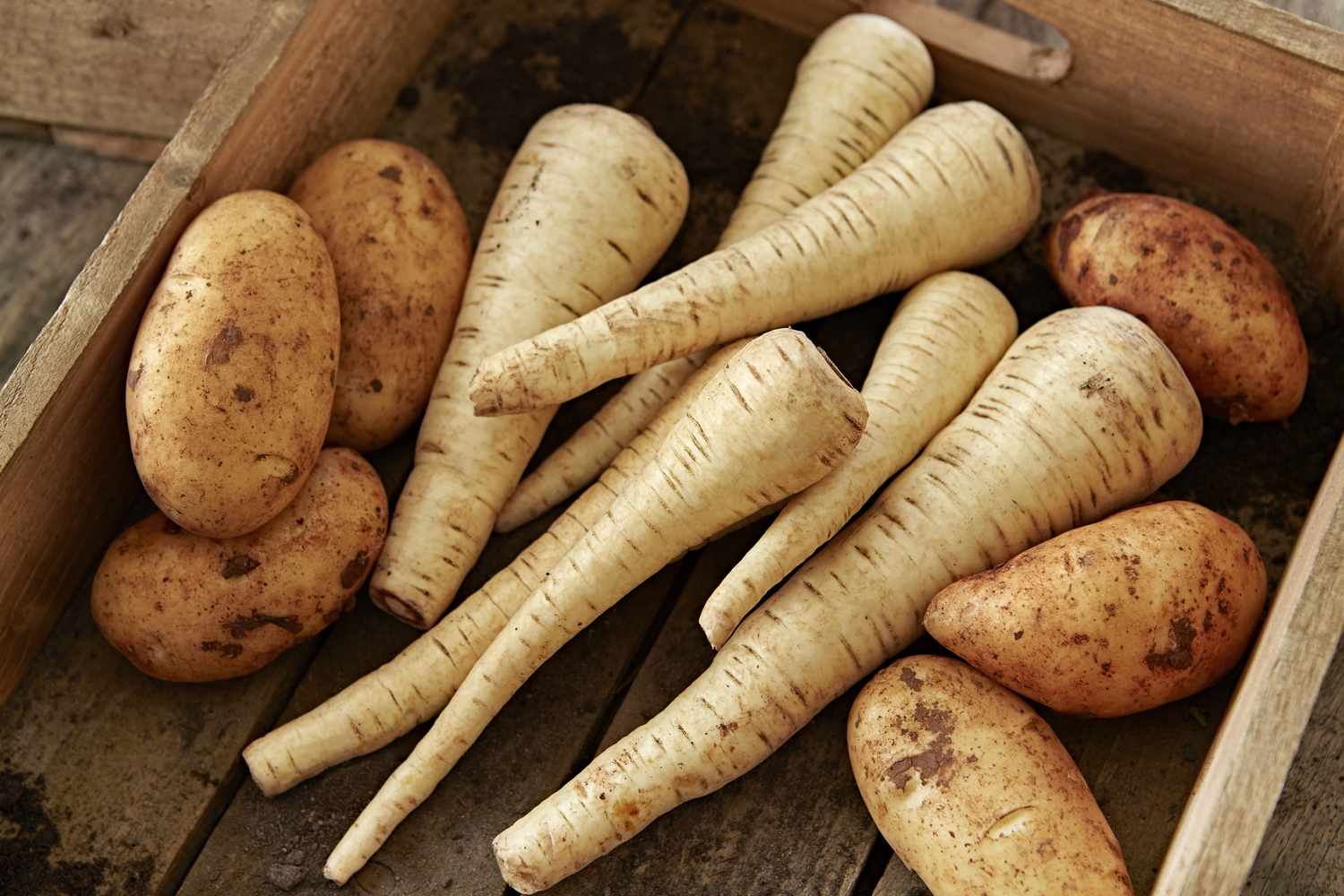
One cooked parsnip contains 2 grams of protein. The root vegetable is also high in vitamin C, vitamin K, zinc, copper, manganese, and pantothenic acid, according to Cleveland.
How to Eat
Parsnips, which are like carrots, can be baked, boiled, or roasted, says Cleveland.
Make a roasted-squash-and-parsnip soup for a hearty winter dish.
Add chorizo, parsnip, and olive bites to your next appetizer lineup.
Parsnips work great in soups, stews, and casseroles, Cleveland says.