
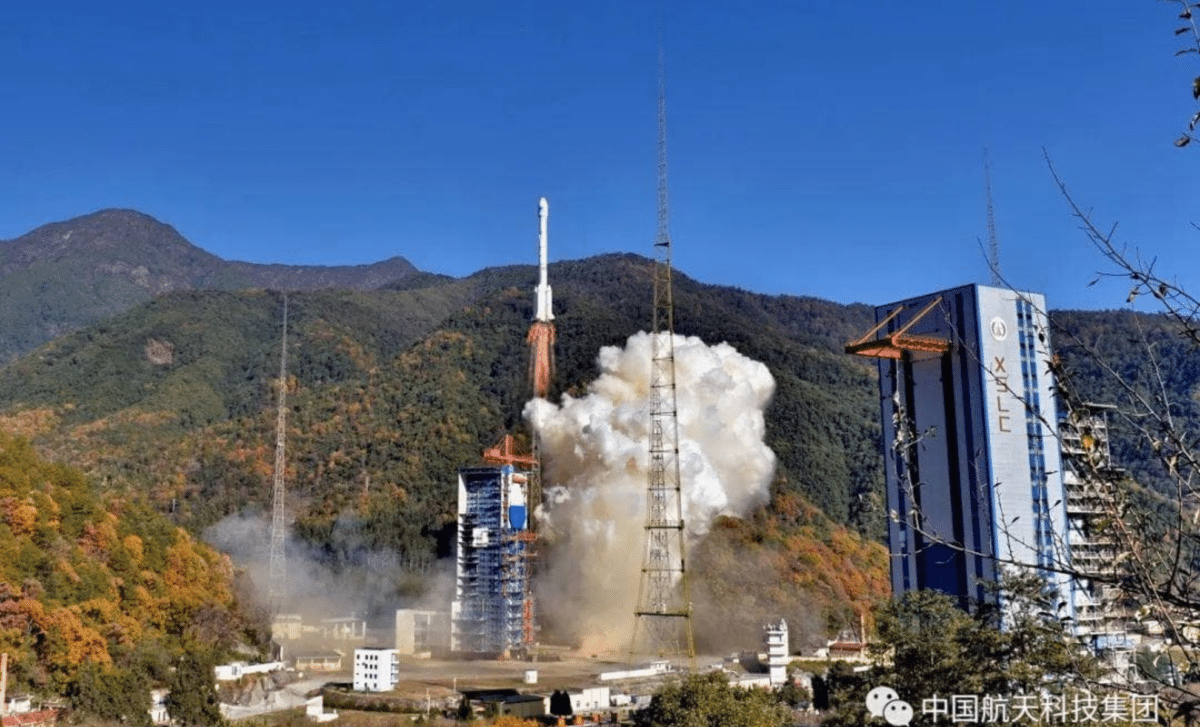
China’s ambitious space calendar has taken a sudden hit as multiple launches scheduled for February at the Wenchang Space Launch Center were abruptly cancelled. While the reason remains unconfirmed, speculation is swirling about the country’s next-generation rocket, the Long March-10A, which may still lift off on February 11.
Surge Of Cancellations Disrupts China’s February Launch Schedule
According to reports from the South China Morning Post, nearly all rocket launches planned for next month at the Wenchang Space Center, located in Hainan Province, have been called off. This unexpected move has triggered confusion and frustration among aerospace enthusiasts and tourists who had planned to witness the events. The Changsha-based outlet cited an anonymous staff member at the spaceport who confirmed, “Only the test flight for a new type of rocket on February 11 [remains].” The remark strongly hints at the possibility that China is prioritizing a critical test of the Long March-10A, a next-gen launch vehicle expected to support future lunar missions.
No official explanation has been released, but online chatter and industry observers point to recent technical failures as a potential cause. These cancellations arrive at a time when China’s space ambitions are under increased scrutiny, and reliability in the face of growing global competition is a top concern.
A Heavy Blow To China’s Space Tourism And Public Enthusiasm
The Wenchang launch site has evolved into a popular destination for space tourism. Travel agencies like Muxi Holiday were quick to respond, announcing the cancellations of launches originally scheduled for February 9, 19, and 24. These events were central to promotional travel packages, leaving travelers stranded and businesses in the region scrambling to adjust.
Posts from local accommodations, such as a hostel in Longlou township, further fueled speculation about the February 11 launch, suggesting that the mission could indeed be tied to the Long March-10A. As anticipation builds, so does the pressure on China’s space authorities to deliver a successful launch amid a backdrop of disappointment. The sudden cancellations without clarification have also raised concerns about transparency and communication from China’s space agencies.
What’s At Stake With The Long March-10A Test Flight
The Long March-10A is not just another rocket; it represents a cornerstone in China’s roadmap toward a crewed lunar landing. Its design aims to carry heavier payloads and serve as the launch vehicle for more complex missions to the Moon and beyond. A successful test flight on February 11 could help China’s space program regain momentum after these recent setbacks.
The rocket’s performance will be closely monitored both domestically and internationally. A flawless launch would signal resilience and technical mastery. Any hiccup, however, could raise deeper questions about the program’s readiness for high-stakes missions. As SCMP noted, the tension around this test is amplified by the silence from official sources, leaving room for speculation, pressure, and heightened expectations.
Shifting Momentum In The Global Space Race
The timing of these cancellations may prove critical as rival nations intensify their efforts in space exploration. With NASA targeting its Artemis lunar missions and SpaceX pushing forward with Starship, China cannot afford delays or failed tests. The Long March-10A is a direct answer to the West’s heavy-lift rockets, and its success could mark a turning point in the power dynamics of the 21st-century space race.
In recent years, China has made notable strides in launching crewed missions, lunar rovers, and Mars exploration. But reliability and consistency remain its Achilles’ heel. The coming days will be a crucial chapter for China’s space ambitions, and all eyes are now on Wenchang, and on February 11.