
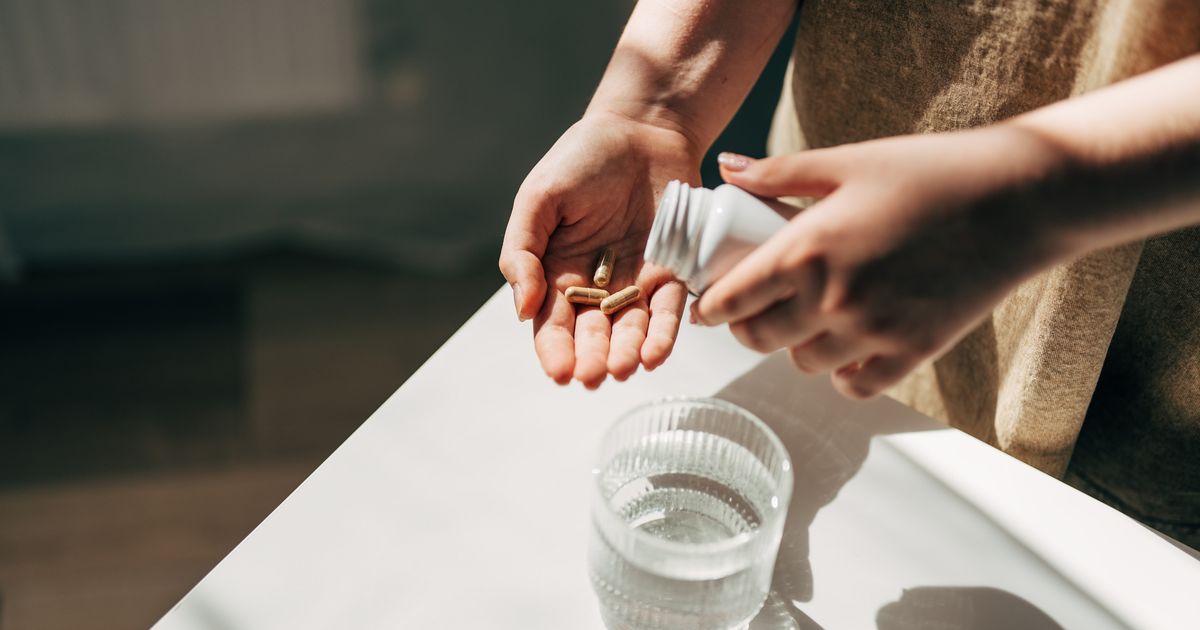
Health experts are advising people to take vitamin D supplements over winter to support wellbeing, but warn you should watch for signs of overdose
04:00, 26 Jan 2026Updated 09:16, 26 Jan 2026
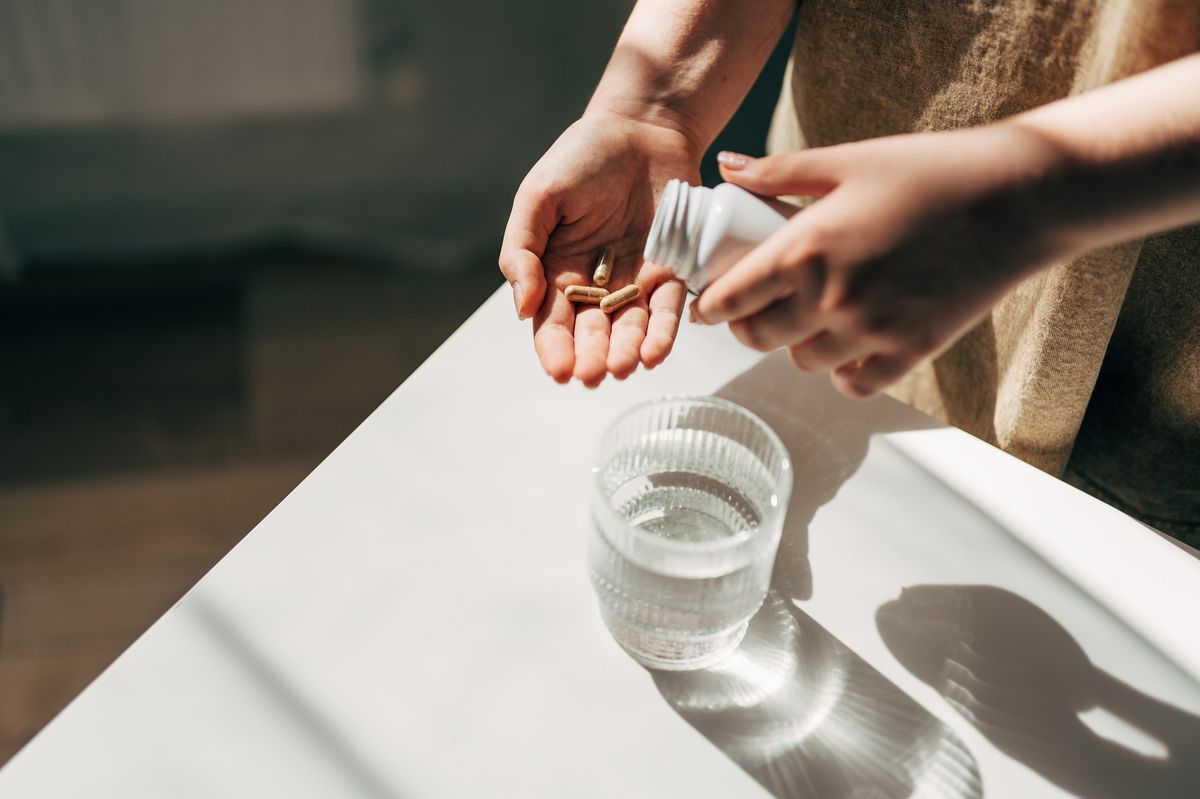
Hand with pills and water glass(Image: )
Health professionals are encouraging millions of individuals to take vitamin D to maintain their wellbeing, but an expert has warned that you need to look out for particular signs of unwanted reactions.
Posting on X, an NHS representative said: “From October to March we can’t make enough vitamin D from sunlight, so to keep bones and muscles healthy, it’s best to take a daily 10 microgram supplement of vitamin D. You can get vitamin D from most pharmacies and retailers.”
Whilst experts acknowledge that numerous people ought to be taking vitamin D, especially throughout winter, the advice arrives with a note of caution. Individuals need sunlight to get vitamin D, as UVB radiation from the sun triggers a chemical reaction in the skin. This process converts 7-dehydrocholesterol into vitamin D3, which is essential for calcium absorption, bone strength, and immune function.
The UK government recommends that everyone should think about taking a daily vitamin D supplement of 10 micrograms (400 IU) during the autumn and winter months as sunlight isn’t strong enough for bodies to manufacture sufficient vitamin D, and it’s difficult to get enough purely from food. Tobias Mapulanga, biomedical scientist and co-founder of Repose Healthcare, has issued guidance about signs to watch for, reports the Irish Mirror.
He stated: “As the NHS encourages vitamin D in winter, many people are reaching for bottles in the darker months and accidentally overshooting, then blaming the fallout on seasonal bugs; when constant thirst and needing the loo more often, queasiness, tummy pain or constipation, headaches or brain fog, and new aches or cramps appear soon after increasing your intake or adding sprays or gummies, that points to a supplement backfiring. The stakes are clear: the right amount supports you, but doubling up can turn a well-meant routine into feeling worse rather than better.”
Studies showed that 42% of surveyed UK adults had taken vitamin D supplements within the past 12 months, yet Which? found supplements, including vitamin D, being marketed with doses reaching up to 12.5 times the recommended safe upper limit. NHS England recorded 42 incidents over two years of high‐strength vitamin D being given more frequently than advised, with some cases needing hospital treatment for hypercalcaemia.
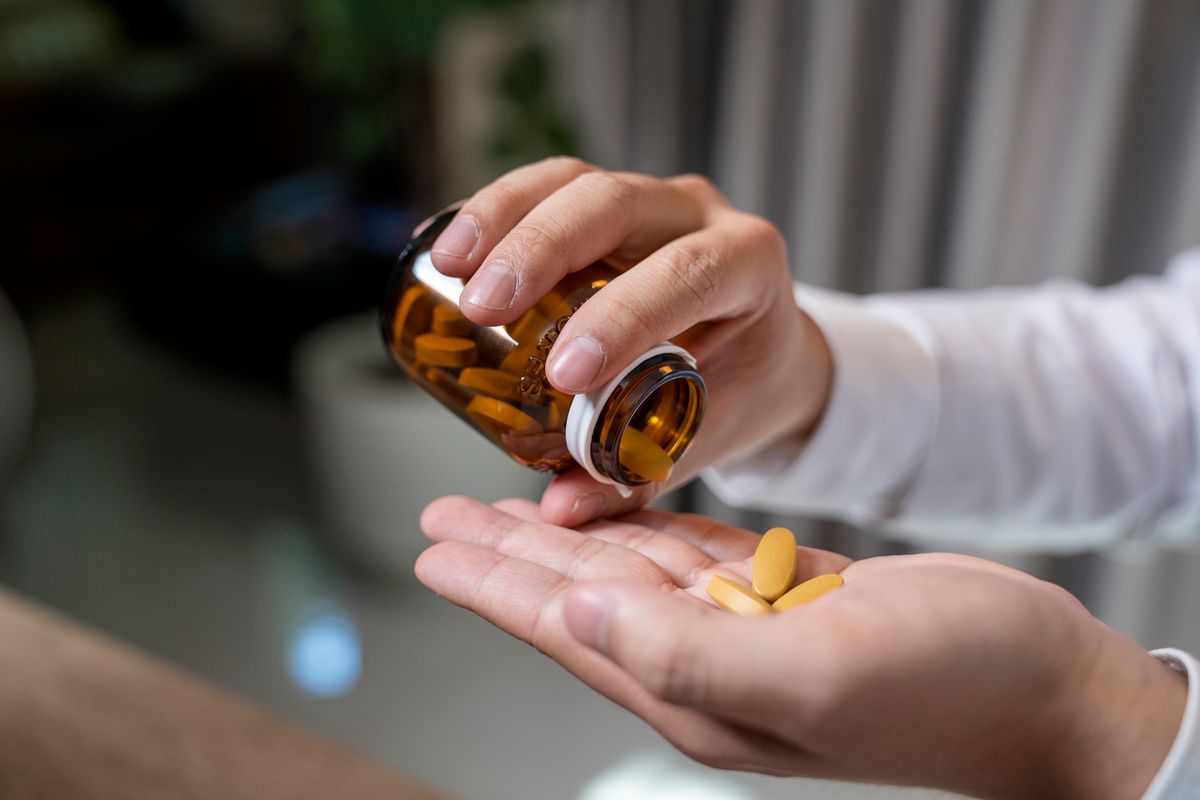
Close up of human hands. He is taking pill(Image: )
Cease taking your vitamin D supplement if you spot these warning signs:.
1. Regular thirst and urination.
If you find that you’re suddenly consistently feeling parched and/or requiring the loo more often after starting vitamin D supplements, this suggests you may be taking too much. Cut your dosage down to one 10 microgram tablet and remove any extra supplements when these symptoms appear.
Excessive vitamin D can disrupt fluid and salt balance, causing dehydration and increasing toilet visits.
Check food or drink labels and remove multivitamins, sprays, gummies and fortified beverages or cereals with added D. Keep water close at hand and drink steadily as your system rebalances.
Stay well under the 100 microgram upper threshold whilst symptoms persist, place one product next to the kettle and keep the rest hidden away.
2. You feel sick, experience constant burping or have stomach troubles.
Feeling queasy, having more burps or stomach discomfort after consuming vitamin D signals another red flag that something’s wrong. Try taking your supplement with a proper meal and switch from sprays or gummies to a simple D3 tablet if issues arise.
Food acts as a buffer for the supplement in your digestive tract and reduces irritation, while sprays and gummies often contain sweeteners or flavourings that upset some people. Choose a plain cholecalciferol tablet with minimal additives and lower the dose to 10 micrograms.
Avoid fortified shakes or energy drinks while your stomach heals.
3. Your bones and muscles hurt.
If you notice your bones are more painful or your muscles are cramping more often after starting your vitamin D supplement, it’s a red flag. Cut back your consumption and prioritise remaining well-hydrated whilst eating foods abundant in minerals.
Too much vitamin D can interfere with the minerals that muscles require, while insufficient hydration raises the risk of cramping.
Consume a generous glass of water alongside your meals and include yoghurt, leafy greens, beans and bananas in your everyday diet. Mild stretching and a short stroll can assist in easing stiffness.
Go back to a single 10 microgram dose and steer clear of any extra supplements while symptoms disappear.
4. You can’t think straight.
Mental fog and headaches are an obvious indicator that you’re consuming excessive vitamin D. Swap any multivitamin or high-potency product for a straightforward 10 microgram D3 tablet.
Increased doses can raise calcium levels, and additional ingredients in multivitamins can muddle your cognitive function. Choose a product that contains solely cholecalciferol and simple bulking agents.
Consume it with food at the identical time each day to ensure stable and milder impact on the digestive system. Steer clear of combined A+D products and focus on one simple D3 tablet.
Opt for a compact tablet to simplify regular usage.
5. Too many products with Vitamin D.
Stay alert to the number of products you’re consuming that include vitamin D, as it’s entirely possible to overdose inadvertently. Examine all sources and choose just one daily product to avoid duplication from tablets, multivitamins, sprays, gummies and fortified foods.
Lay out everything containing vitamin D and check each label carefully.
Convert IU to micrograms by dividing by 40 so totals are immediately clear. Remove duplicates and keep only one 10 microgram source.
Note the dosage and any thirst, frequent urination, stomach upset, cramps or brain fog to spot links with intake.
Join our Dublin Live breaking news service on WhatsApp. Click this link to receive your daily dose of Dublin Live content.
We also treat our community members to special offers, promotions, and adverts from us and our partners. If you don’t like our community, you can check out any time you like. If you’re curious, you can read our Privacy Notice .
For all the latest news from Dublin and surrounding areas visit our homepag