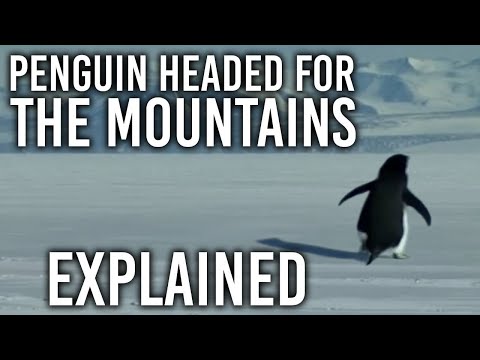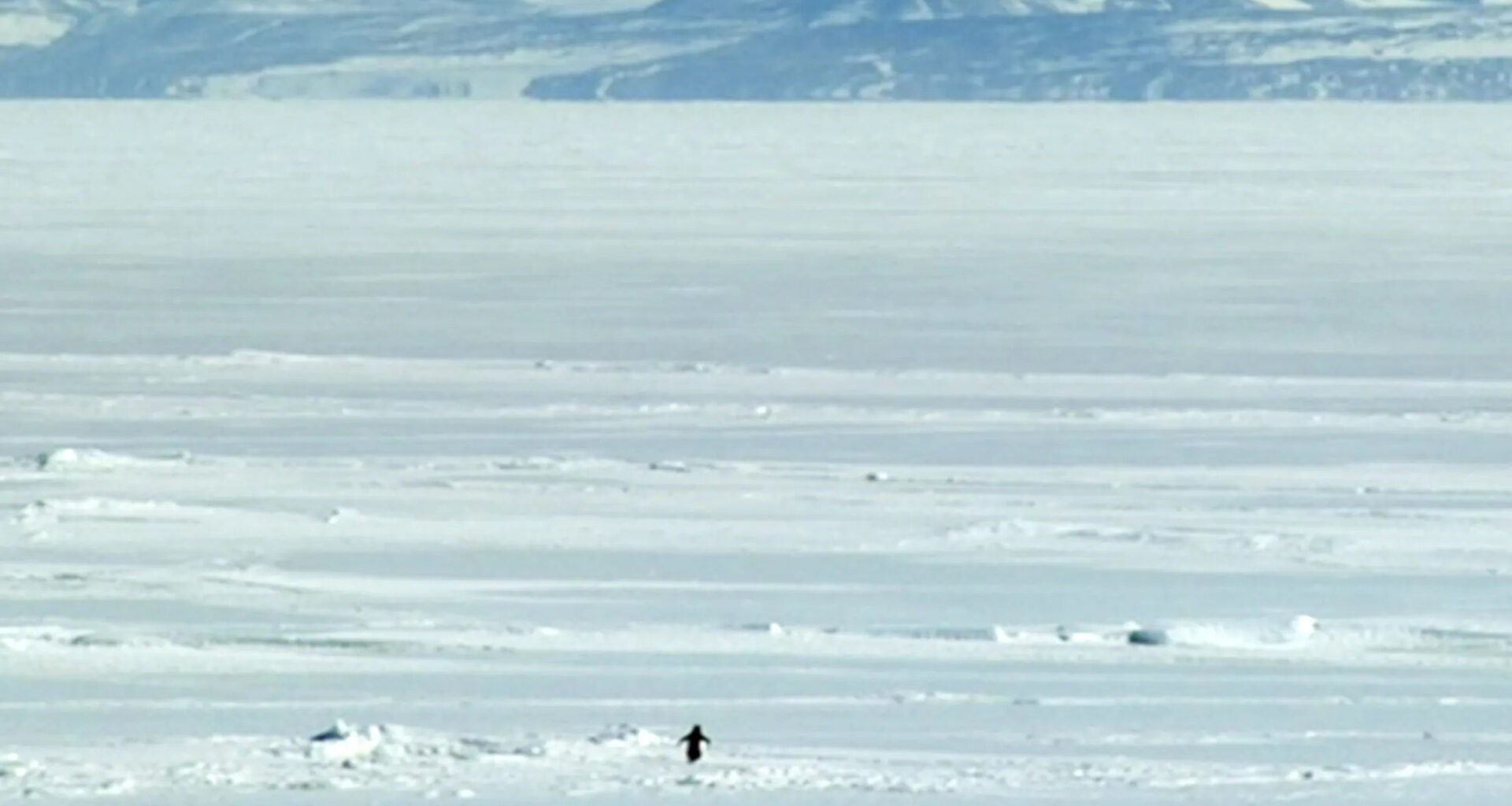
Penguins are tough. They survive some of the most brutal conditions on Earth with a mix of social grit and stubbornness. They have big egos, chaotic sex lives, and usually, a fierce drive to survive. But sometimes, a penguin just snaps.
Instead of heading to the nourishing sea with the rest of the colony, a lone bird will turn around. It starts walking toward the vast, icy interior of the continent—away from food, away from its mates, and toward certain death.
But why?
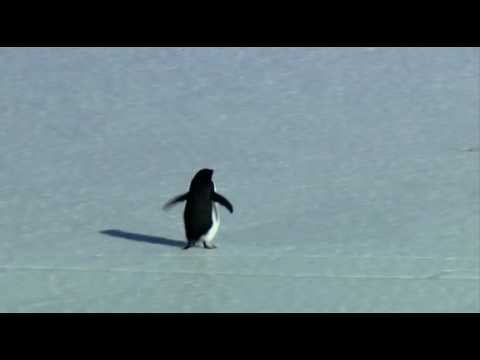
For over a decade, this stayed a niche biological mystery. But in 2026, the internet caught up. The “Nihilist Penguin” is now a viral icon for an era defined by burnout. To millions of people, this bird isn’t lost; he’s a mascot for the urge to simply walk away from the noise. The internet sees a hero choosing the silence of the mountains over the chaos of the colony.
The biological reality, however, is much harder to pin down.
I’ve scoured the literature, and while there is plenty on avian disorientation, there is a vacuum of peer-reviewed data regarding “intentional” penguin suicide. We don’t have a confirmed mechanism or a solid theory. Is it a neurological glitch? A rare form of avian depression? Or do they simply get lost and disoriented?
As far as observers can tell, these birds aren’t just lost. Even if you pick them up and bring them back to the colony, they turn around and head right back into the white void.
×
Thank you! One more thing…
Please check your inbox and confirm your subscription.
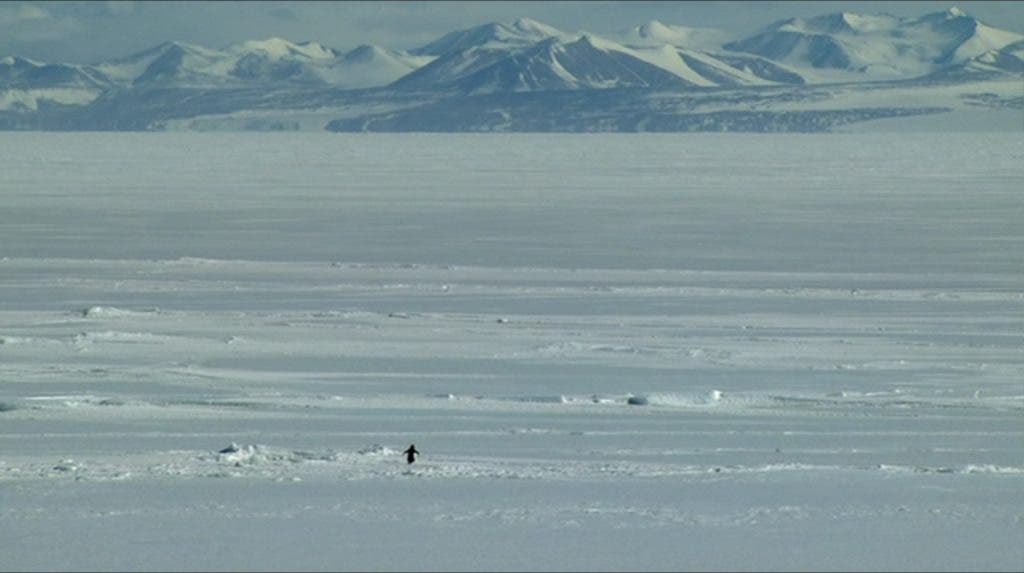 I hope you find peace, little penguin. Whether you are a biological anomaly or a nihilist hero for the modern age, your journey into the white void remains one of nature’s most haunting images.
The above clip is from Encounters at the End of the World, an American documentary film by Werner Herzog. The documentary focuses on people and animals in Antarctica, and it’s not your average “fluffy penguins” film. It’s cruel and harsh, and it deals with the darker side of penguin life. I really recommend watching it — but be prepared for some heavy feels.
Ultimately, we understand too little about this extraordinary animal behavior. Hopefully, with more research, we can understand penguins and their mental woes a little bit better.