
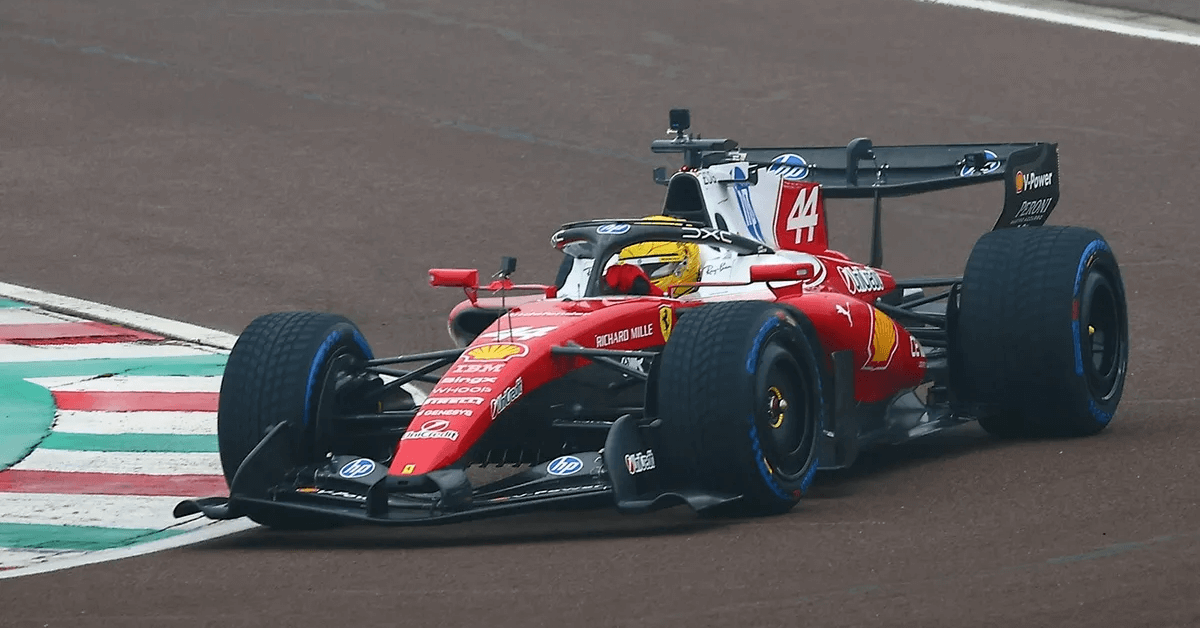
The curiosity surrounding the first test of the new Formula 1 season in Barcelona was inevitable, especially in today’s era dominated by social media and the immense hype surrounding the F1 Circus. However, the teams underestimated the scale of the media impact, and ignoring it turned out to be a clear mistake.
Organizing a closed-door test at a circuit just a short distance from a major city like Barcelona simply doesn’t work in 2026. It took just half a day for teams and officials to remember that the Circuit de Catalunya is not in a remote desert like Sakhir, and that from certain vantage points in Montmeló, with a good telephoto lens, it is possible to photograph the cars in multiple corners. This has always been true, but the difference compared to twenty years ago is that any image captured today instantly ends up on social media accounts and websites, spreading worldwide in real time.
It is important to note that the Barcelona tests are not organized by the FIA or Liberty Media, but directly by the teams themselves. When the official pre-season calendar was released, including the two scheduled sessions in Bahrain, the teams independently decided to add an additional three-day test at the Barcelona circuit, spread over a five-day window. No one appeared to consider the media impact of the first official outing of the new technical cycle, or the debut of the Cadillac and Audi teams. The intense curiosity that surrounded the Spanish tests could have easily been predicted, yet apparently, no measures were taken to manage media access effectively.
The outcome was almost comical. On the morning of the test, dozens of photographers and journalists were positioned on the hills surrounding the circuit, some armed with cameras, others with video equipment. In addition, some were even able to intercept the timing system signal and broadcast it online in real time. Within the paddock at Montmeló, this unexpected exposure surprised several team members, prompting a rapid response with a task force to try to block the leaks. The intercepted timing signal was identified and cut, while staff were dispatched to the hills to politely ask those who had arrived early in the morning to leave the area.
Once the media blackout was restored, there was, understandably, considerable disappointment from fans following from home, many of whom were simply looking for updates on the on-track activity rather than sensitive technical secrets. Tens of thousands of enthusiasts were left frustrated, as they had hoped to observe the cars in action through available channels. Some explained the decision to hold the test behind closed doors as being due to the lack of infrastructure to safely accommodate media, given that these were not FIA or Formula One Management (FOM) organized sessions. Others suggested that teams wanted to avoid drawing attention due to the potential risks and uncertainty associated with debuting new cars, fearing poor public perception if technical issues arose — although such early-stage teething problems are entirely normal at the start of a new technical cycle.
Ultimately, it was just a test, and it will not change the public’s affection for Formula 1. In two weeks, the official pre-season tests in Bahrain will begin, and the Barcelona story will quickly fade from memory. However, it is still striking to note how Formula 1 teams can insist on a closed-door test despite the considerable efforts made in recent years to generate maximum hype and media attention. No one should be surprised or complain about the intense curiosity surrounding the Montmeló test; if anything, it would be concerning for Formula 1 if fans were not eager to follow such events.
The reality is that in 2026, a closed-door test feels outdated. While it may be acceptable for a single team filming day, even then, photos and videos inevitably leak. For a collective test, especially the first of a highly anticipated season like 2026, a closed-door approach is even more problematic. The narrative of the Montmeló session could have been managed much more effectively from a media perspective, adding value for fans and enthusiasts. Unfortunately, that opportunity has been lost. The hope remains that Formula 1 and its teams recognize that fan engagement cannot be intermittent. Once hype is generated and public attention is captured — a term now ubiquitous but fitting in this context — it becomes extremely difficult, if not impossible, to impose a wall of secrecy, the importance of which is often underestimated.
Jan 27, 2026Luca Marini
Let other Scuderia Fans know about us


