
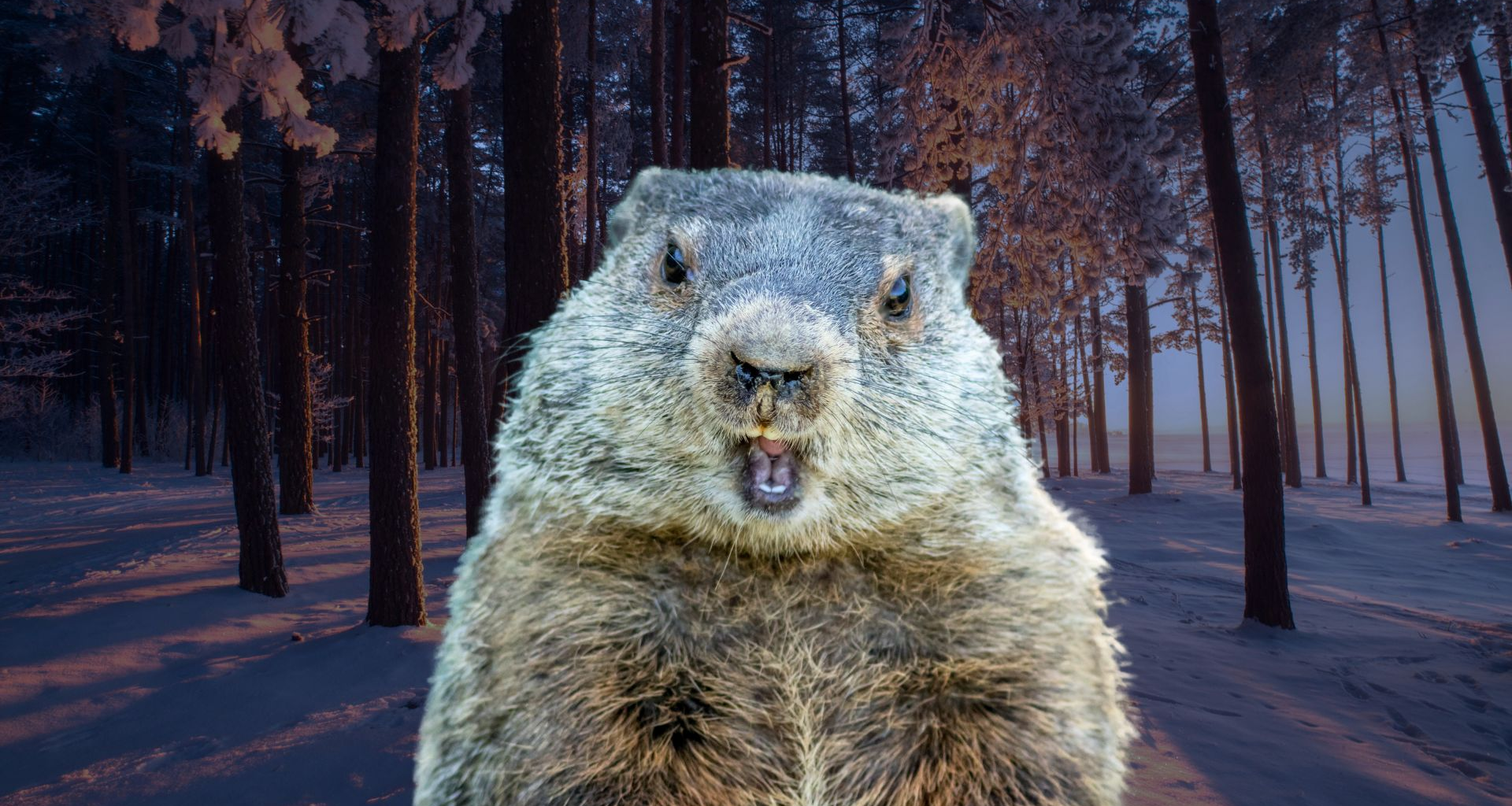
Aging seems to nearly stop during hibernation, as the marmot heart rate drops from nearly 200 beats per minute when active to about nine during hibernation. Similarly, their active body temperature can be 104 degrees Fahrenheit (40 degrees Celsius) – about the same as a dog or cat – but plummet to 41 F (5 C) when hibernating. Humans, in comparison, become hypothermic at a core temperature of 95 F (35 C).
Fuelling feast and famine
Marmots’ only source of energy during the hibernation period is stored fat, which they may metabolize as slowly as 1 gram per day. But even that is a large amount when it must suffice for more than half a year.
So, marmots need to double their weight during the summer, even in places where the season is only a few months long. To do so, they double the size of their hibernation-state gastrointestinal tract and liver, and then carefully select the most nutritious plants, including legumes, flowers, grains and grasses. Despite their corpulence, they can also climb trees to eat buds and fruit.
Gardener, architect and menu item
The digging and seed dispersal that accompany foraging create flower-filled meadows. Some marmots, like Mongolia’s Tarbagan marmot (M. siberica), are keystone species whose presence is associated with increased diversity of plants and predators.
Marmot burrows are a key architectural component of many other animals’ habitats. Abandoned marmot excavations can provide temperature- and humidity-controlled housing for dozens of species, from frogs to foxes and snakes to owls.
The same activities can make groundhogs a pest to people. In most of the Midwest, groundhog predators were largely eliminated at the same time that agricultural fields became vast marmot buffets. Today, many groundhog populations are tightly controlled by invasive coyotes, as well as recovering populations of bobcats.