
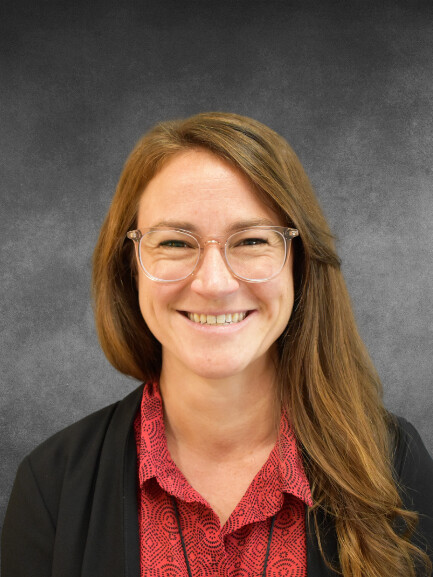
By Colleen Forst, Eastern Shore Rural Health System, Inc. Director of Behavioral Health
Once called Seasonal Affective Disorder (SAD), depression that only occurs in the winter can result in a lack of interest in your usual activities, daytime fatigue, sleeping too much or too little, and irritability. Many of us feel winter can be dreary, but how do you know if you would benefit from treatment? There are several things you can do to help beat the winter blues, but you can always start by talking to your medical or behavioral health provider, particularly if you experience these symptoms for more than two weeks and/or they are causing problems in your relationships, work, and general functioning.
A behavioral health provider can help you form a plan of action to prevent seasonal depression. Planning ahead is a good place to start. Around Daylight Saving Time each fall, think about how you might get more sunlight in the coming months. Could you bundle up and spend 10 minutes outside every morning? Could you enlist a friend to go on a walk with you before a meal? Another way to get the benefits of sunlight without going outside is something called Bright Light Therapy (BLT). It comes in the form of a small (about the size of a piece of paper and a bit thicker than a cell phone), bright light that mimics the summer sun’s strength. Look for a “broad spectrum light” or “SAD lamp” that reaches 10,000 lux. There are many inexpensive options on the market. Research shows that sitting near this light for 30 – 60 minutes every morning can lessen depression symptoms, as well as help cognition in older adults (even those who do not have depression). I highly recommend this drug-free option, as it takes very little effort to use and has no side effects.
My next recommendation is getting your vitamin D level checked. Because we make vitamin D from sunlight, it is possible you are not getting enough in the winter, in which case, a supplement could make a big difference. Most importantly, if you are not sure what you need, talk to a healthcare provider – they can discuss these options, as well as more traditional medications. We have behavioral health providers at all major Eastern Shore Rural Health centers who are happy to help, and appointments are sometimes available virtually, from the comfort of your home.

Forst is a board certified Psychiatric Mental Health Nurse Practitioner.