
StoryEQ founder
Kristina Flynn
The belief that you need money to make money keeps talented people on the sidelines. They wait for funding, for savings, for the perfect financial moment that never arrives. Roxanne Quimby started Burt’s Bees with $200 at craft fairs. Craig Newmark launched Craigslist as a free email list to friends. Brian Chesky and Joe Gebbia funded early Airbnb by renting air mattresses in their apartment to pay rent. They started anyway.
Rock bottom has a strange quality. It feels like an ending, but founders who break through treat it as foundation. I hit rock bottom as a teenager, and that experience shaped everything that came after. I started my first business with less than a thousand pounds and sold it for seven figures. The money came later. The willingness to start with nothing came first.
These ten entrepreneurs faced financial despair that would have justified quitting. Credit cards declined. Businesses collapsing. Homelessness. Psychiatric care. They built anyway. Their stories prove that your current struggle might be the setup for your greatest success.
How these founders turned financial rock bottom into six figuresCredit card declined buying medicine for a sick child
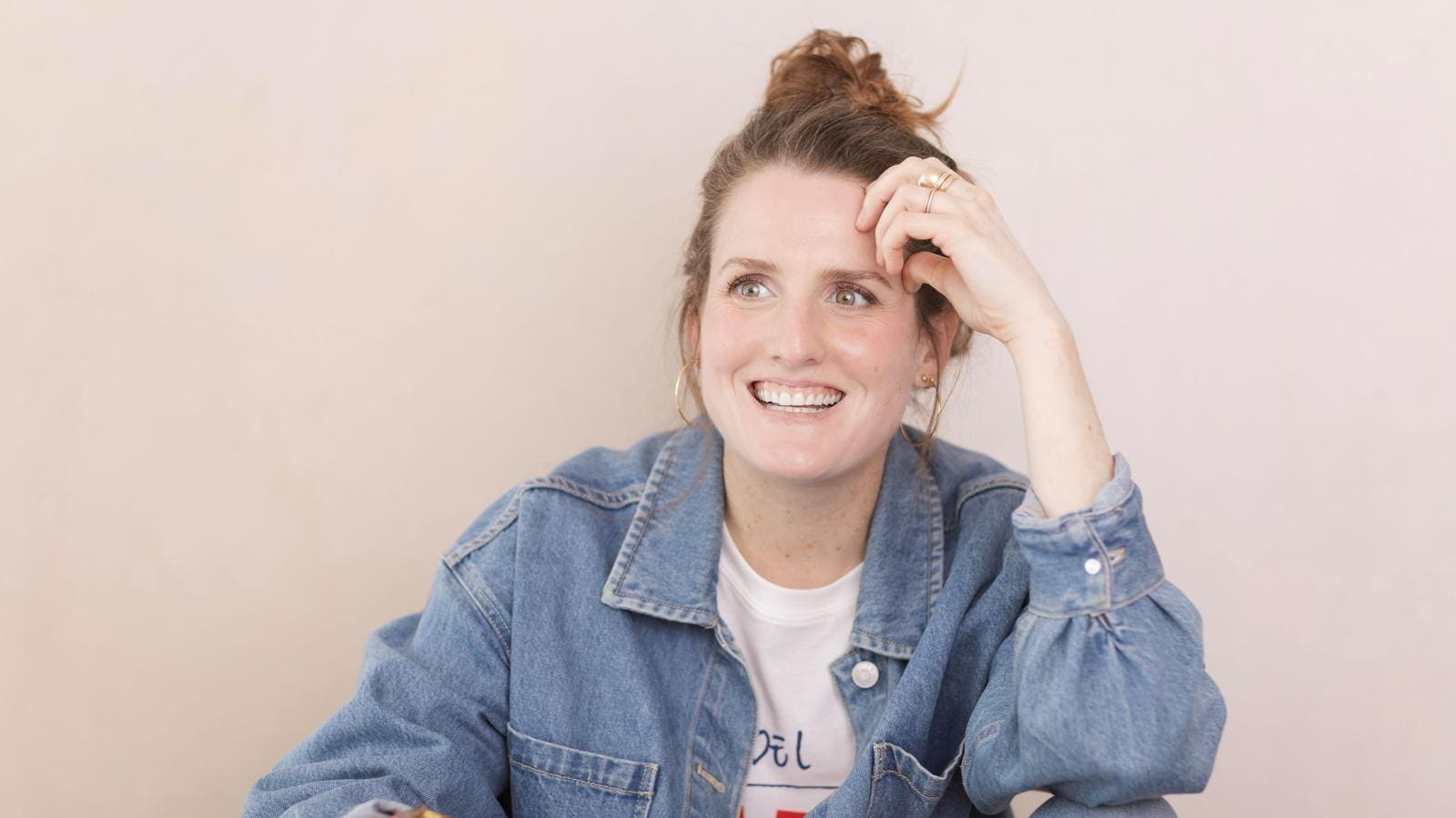
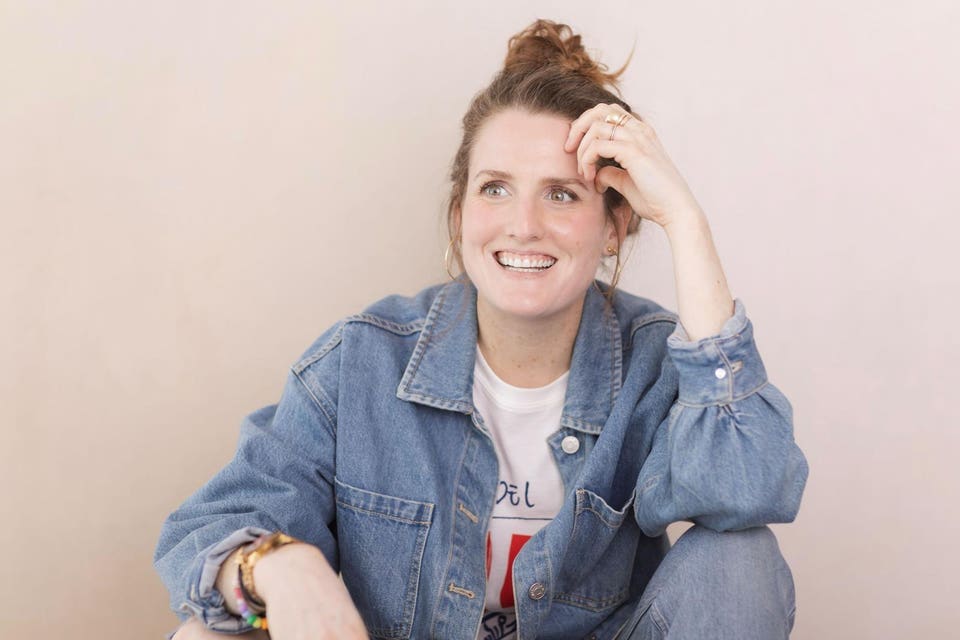
Two years ago, Kristina Flynn had entrepreneurship “figured out” until tens of thousands disappeared, another company failed, and her wife said she couldn’t keep doing this. The lowest point came in a pharmacy parking lot when her credit card got declined buying medication for her sick five-year-old. She broke down, realising she’d been waiting for someone to save her. “I didn’t lack skills,” Flynn says. “I lacked self-trust.” She took a long, hard look in the mirror and built StoryEQ, growing it to $30K monthly recurring revenue. Her work helps other overthinkers see and articulate their own value.
Homeless at 20, global tech leader by 40
Matthew Simon (age 20) was homeless, sofa surfing with no clear path forward. He found a telemarketing job and devised ways to hit double quota. When his father died, he inherited a small amount of money and invested it in working for a startup, building a team in Ukraine and transitioning it to Barcelona. “I have always sought to turn disadvantage into advantage,” Simon says. He has since built teams across seven countries, appeared on Mastermind and University Challenge, visited 52 countries, and is now studying for a doctorate in AI.
Snot sobbing into a pillow before building systems that scale
A nursery business owner who couldn’t pay her staff in 2018, Lucy Lewin was broke, broken, and burned out. She had a great team and reputation but didn’t know the business of business. “I made a deal with myself as I snot sobbed into my pillow that I would do whatever it took to become the person I needed to be,” Lewin says. She downloaded a CEO job description, googled most of the words, and rebuilt from first principles. Now she’s launching software to help other early years leaders escape the same trap, and goes viral on LinkedIn with her recommendations for education.
When everything falls apart in the same month
Tracey-Jane Hughes signed a lease for business premises in the same month the 2008 credit crunch hit and her mum’s cancer returned. Sales halved immediately. Her mother died nine months later while the business was in freefall. “Everything was falling apart and I could do nothing to stem the flow,” Hughes says. She became paralysed by fear and guilt until she discovered that listening to herself provided the clarity for each next step. She rebuilt a six-figure business and now helps others do the same.
Losing $4 million while doing everything right
Following every rule in the playbook, Tina Singh still lost $4 million building businesses the “right” way with smart people, big brands, and relentless effort. “The part no one prepares you for isn’t the loss itself,” Singh says. “It’s the moment you realize you followed every rule and still flew straight into the wall because you couldn’t see what was actually failing.” But one thing never changed for Singh. “Every success and setback came down to visibility: knowing what was happening across sales, compliance, and investments in real time.” She rebuilt on this premise, and now helps family offices build private intelligence systems.
$200 a month with a leg in an ice bucket
An executive in Romania earning $200 monthly in 2010, Gabe Marusca sat at his desk with his leg in a bucket of ice just to numb an injury so he could keep working. He escaped that trap only to build another, sleeping four hours a night while hustling in the entrepreneurial world. Then a Google algorithm change wiped out 90% of his income. “I traded a corporate cage for a digital one,” Marusca says. He reinvented himself as a nomad and now runs Authority in the Wild, helping entrepreneurs claim freedom without sacrificing health or relationships.
Five visa denials, five months in psychiatric care, then 1.3 million followers
Education was meant to be Toyyib Adelodun‘s way out of poverty. He earned his first scholarship at age five, dropped out of school twice due to financial hardship, won a scholarship to America, and was denied a visa five times. He made it to the UK in 2008 but had a mental health crisis mid-studies and spent five months in psychiatric care. “No money. No job. No stable housing,” Adelodun says. He couch-surfed, worked as a construction labourer, and went back to university at 30 as one of the oldest in his class. Today his story of resilience has grown into a 1.3 million strong community.
Orphan and street hawker to first-class honours
Anetor Otaigbe lost both parents a decade before graduating and started hawking on the streets at a young age to survive. He failed twice in high school but remained resolute. “I went from being an orphan to graduating as one of the top students in my department,” Otaigbe says, earning first-class honours in mechanical engineering thanks to scholarships he won through persistence. He’s now progressing his career and volunteering for orphan-focused organisations when he’s not at work.
LinkedIn was the only room without a locked door
A 20-year-old university student in Serbia with no network, capital, or credibility, Nikolett Jaksa needed remote income and had zero access to traditional business circles. “LinkedIn was the only room I could walk into without permission,” Jaksa says. She tested visibility strategies in public, turned the platform into a business within her first year, built a strong personal brand, and now works with founders and CEOs across B2B, SaaS, and SEO. No ads, no pods, no viral tactics. Just consistent presence where decisions get made.
Sold a flat to prove the corporate giants wrong
Heather Rhodes founded Harrow School Online for ambitious teens who wanted top academic results from home. Everything was going well until Pearson, the owners, pulled the rug after a change in CEO and strategy. Rhodes disagreed with the decision, sold her flat to raise finance, and launched her own replica school, Highgrove Education. “We’re already three times as big as Harrow Online School ever was, and growing fast,” Rhodes says. She had never run a company before 2023. Now she has students from the Cayman Islands to Australia achieving outstanding results.
Your current struggle might be the setup
Ten founders. Homelessness, psychiatric care, collapsed businesses, maxed-out credit cards. Every one of them could have justified giving up. None of them did. Your financial rock bottom is not a verdict on your future. Recognise it for what it is: the setup for your greatest success story. Start building.