
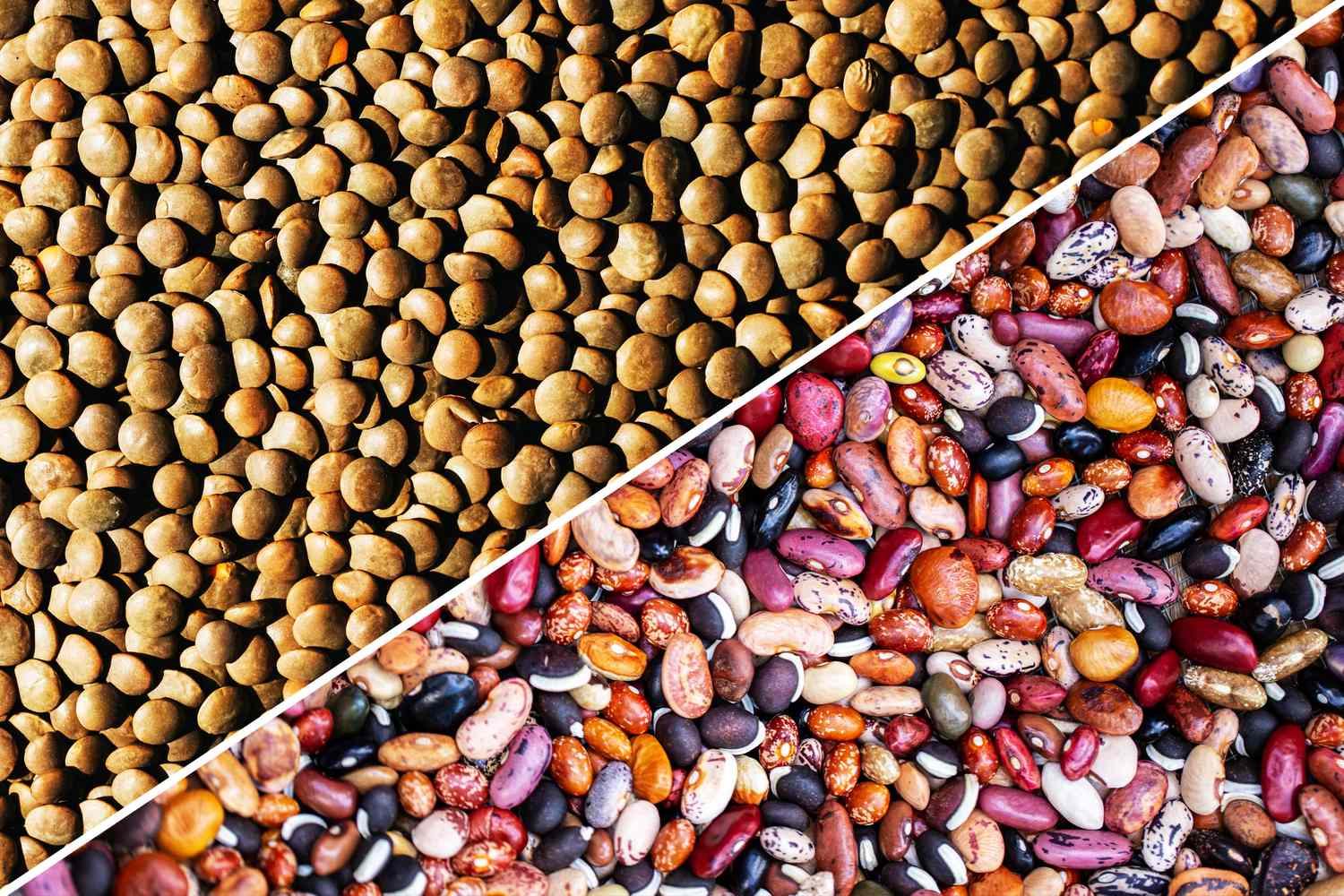
Beans and lentils have similar nutritional profiles. Both are excellent plant-based sources of protein, fiber, iron, and folate.Lentils have a slight edge in protein and iron, while beans often provide more soluble fiber and resistant starch.Both belong in your kitchen — variety is key to a balanced diet.
Beans and lentils are often lumped together. After all, they’re both legumes — a broad plant family that includes other pod-grown foods like peas and peanuts — and they’re often found side by side at the grocery store. They’re also both pulses, a subcategory of legumes that refers to dried edible seeds of those pods, and they’re widely touted by dietitians for their nutritional benefits.
“Beans are a powerhouse of nutrition,” says Lauren Manaker, MS, RDN, LD, CLEC. “Plus they’re a plant-based source of protein, making them a fantastic option for anyone looking to eat less meat or add more variety to their meals.”
Lentils are no slouch in the nutrition department, either. “Just half a cup delivers close to 30% of your daily fiber plus folate, iron, potassium, and high-quality plant protein,” says Katherine Brooking, MS, RD.
In the kitchen, beans and lentils are delicious, budget-friendly staples that shine in everything from soup and chili to burritos and nachos. While they’re both excellent sources of protein, fiber, and antioxidants, there are some key differences that set them apart nutritionally. Here’s how these plant-based powerhouses compare.
Nutritional content
Both beans and lentils encompass a wide variety of shapes and sizes that cook differently and offer slightly varied nutritional profiles. Lentils include green and black varieties that retain their shapes in salads, red lentils that break down into a creamy texture for soups, and brown lentils that land somewhere in between. The bean category is even broader, offering black, pinto, navy, cannellini, and so many more.
Whether you choose canned versions or cook them from dried can also make a difference. Some research suggests that home-cooked beans and lentils may offer more protein and fiber than their canned counterparts, though the difference is modest.
Generally speaking, however, beans and lentils provide very similar nutritional benefits, with small variations in protein, fiber, and mineral content. Both are rich sources of iron, potassium, and folate.
Iron is particularly important if you follow a vegetarian or vegan diet, since it’s less absorbable from plant sources. Without enough iron you can feel fatigued, as it helps carry oxygen throughout the body. Potassium supports blood pressure regulation and also plays a role in bone and metabolic health. Folate is essential for DNA synthesis and is particularly important during pregnancy.
Both legumes are naturally gluten-free, and though they’re relatively high in carbohydrates, most have a low glycemic index (GI), a measure of how food impacts your blood sugar. Lentils and beans generally score between 20 and 40 points on the 100-point scale. 55 is considered a low GI food, so both are solid choices for blood sugar support.
Lentils and beans also both deliver antioxidants to help reduce inflammation in your body. Eating more pulses, like lentils and beans, is linked with improved blood sugar and blood pressure, lower cholesterol, and reduced risk of some chronic diseases.
Here’s exactly how beans and lentils stack up nutritionally.
1/2 cup of cooked black beans
1/2 cup of cooked lentils
Calories
114
115
Fat
0.5 g
0.5 g
Protein
8 g
9 g
Carbohydrates
20 g
20 g
Fiber
8 g
8 g
Iron
1.8 mg
3.29 mg
Potassium
306 mg
366 mg
Folate
128 µg
179 µg
Each bean and type of lentil will vary slightly, but lentils tend to have a small edge when it comes to protein, folate, and iron. However, “beans typically offer more soluble fiber per serving, which is great for cholesterol management, and often contain higher levels of resistant starch, which supports the gut microbiome,” says Brooking.
All that said, variety is key to a balanced diet. Eating both beans and lentils makes sense nutritionally and also keeps things interesting on your plate.
Cooking uses
Beans and lentils aren’t interchangeable in many recipes, especially when you consider the variety each legume offers — you wouldn’t want to use beans for Red Lentil Akoho Sy Voanio or lentils for Cuban–Style Black Beans. However, both are generally excellent protein options for soups, salads, side dishes, and even tacos.
“Lentils definitely win in the convenience department, as they don’t require soaking and cook much faster than beans,” notes Manaker. However, many modern bean recipes don’t require soaking. And, of course, home chefs can take a shortcut with canned beans or lentils, no cooking required.
“In addition to the health benefits, both beans and lentils are relatively inexpensive, especially compared to animal-based proteins like meat and fish,” adds Brooking. Swapping animal-based protein for beans in your dinner salad or lentils in your sloppy Joes will deliver nutrition while also saving you a few bucks at the store.
Bottom line
“The great news is: you don’t have to choose. Beans and lentils are both nutrient-dense, affordable, sustainable, and backed by decades of research showing benefits for heart health, digestion, and blood sugar control,” says Brooking.
Both legumes deliver impressive amounts of protein, fiber, minerals, and antioxidants. Eating a variety of each will help you enjoy new flavors while also reaping the benefits of both.