
NEED TO KNOW
Jasmatia Schaefering dedicated herself to football when she was married to an NFL player, and after he retired, she helped him navigate his brain damage and CTE precursorsJasmatia filed for divorce in June 2024, though she still supports and helps her ex as he manages his health and treatment The mom of four hopes to one day partner with the NFL to better aid the players and their families after they retire from professional football
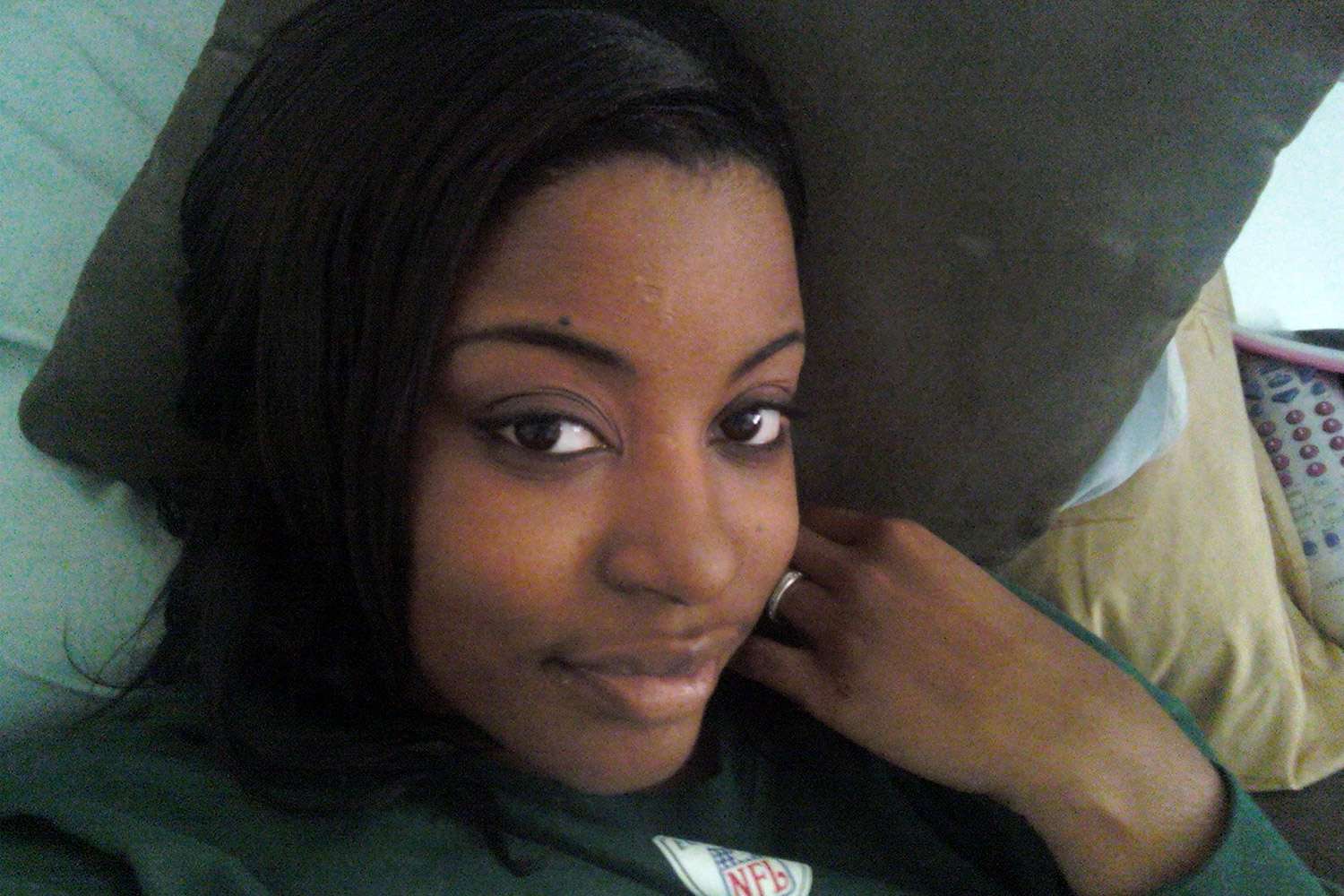
Jasmatia Schaefering was her then-husband’s biggest supporter when he was still in the league, attending his games and events and sacrificing her own personal goals to care for their kids as a stay-at-home mom.
After he retired, Jasmatia, 40, tells PEOPLE that she had an “identity crisis,” since she’d spent years prioritizing her “NFL wife” title.
Eventually, over a decade after he retired, Jasmatia filed for divorce from her husband. But between his departure from pro football and their split, Jasmatia’s NFL wife duties didn’t necessarily wane; they just changed to accommodate the unfortunate reality of his and many football players’ lives post-retirement.
Jasmatia Schaefering.
Jasmatia Schaefering
He was diagnosed with brain damage and precursors for chronic traumatic encephalopathy (CTE), which Mayo Clinic defines as a “brain disease likely caused by repeated head injuries.” The illness is characterized by a degeneration of nerve cells in the brain, and it gets worse over time, however CTE can only be definitively diagnosed after death, during a brain autopsy, per Mayo Clinic.
Jasmatia became his caretaker. She dedicated years to learning about the brain and about disability benefits, and she taught their four kids — who are now ages 22, 19, 18 and 11 — everything they needed to know about their father’s health and condition.
“I researched what helps prolong the brain, what helps grow back the neurons and all of the things to try to rebuild what you could,” Jasmatia recounts. “It turned out that food helps a lot, but cannabis helps more. When I learned all of this, I educated everybody. I had a family meeting with charts and paperwork and YouTube [videos] pulled up.”
With the right treatment, she watched her ex-husband stop stuttering as much and start playing with their children again. The family learned how to best handle his emotional highs and lows, and while he still struggles in certain areas, Jasmatia describes the differences in his behavior like “day and night.”
Despite his improvement, Jasmatia admits that she can’t really bring herself to football anymore. It’s impossible to shut out all that she knows about the physical damage players expose themselves to on the field.
“I’m literally squeezing my fingers just thinking about it,” she tells PEOPLE. “Yeah, it’s fun. It’s entertainment. I get it, but you have to pay attention to the reality part. This is not just some cartoons or a video game. These are real bodies. These are real players.”
Jasmatia Schaefering with one of her four kids.
Jasmatia Schaefering
She acknowledges that some players come out unchanged, therefore leaving their families unchanged as well, but her first-hand experience has forever skewed her view of the sport.
Jasmatia notes that she wasn’t blind to the impact when her ex-husband was still playing. She remembers the sights and sounds of a serious injury and the way her hands looked in a white-knuckled grip around the chair in front of her when she watched her partner get hurt.
“It’s so nerve-wracking, but you try to stay calm because you don’t want them to panic and see you stressed out. You’re just sitting there with a nervous system that’s breaking down and you try to enjoy it,” Jasmatia remembers.
Never miss a story — sign up for PEOPLE’s free daily newsletter to stay up-to-date on the best of what PEOPLE has to offer, from celebrity news to compelling human interest stories.
“He … dislocated his elbow. He’s torn his shoulder. He has back damage, legs, ankles, everything. It’s not just the brain, it’s the whole body,” she recalls, adding how some former players are “only in their early 40s, and it’s like they can barely walk.”
While part of her rejects the sport, Jasmatia maintains that she does not hate the league. In fact, she hopes to one day partner with the NFL to find ways to prevent life-changing injuries and better aid former pro football families.
“I want to make an impact for the wives and for the kids and for the players,” she shares. “These players cannot keep walking around like, ‘Yeah, it’s fine. Yeah, I’m fine.'”