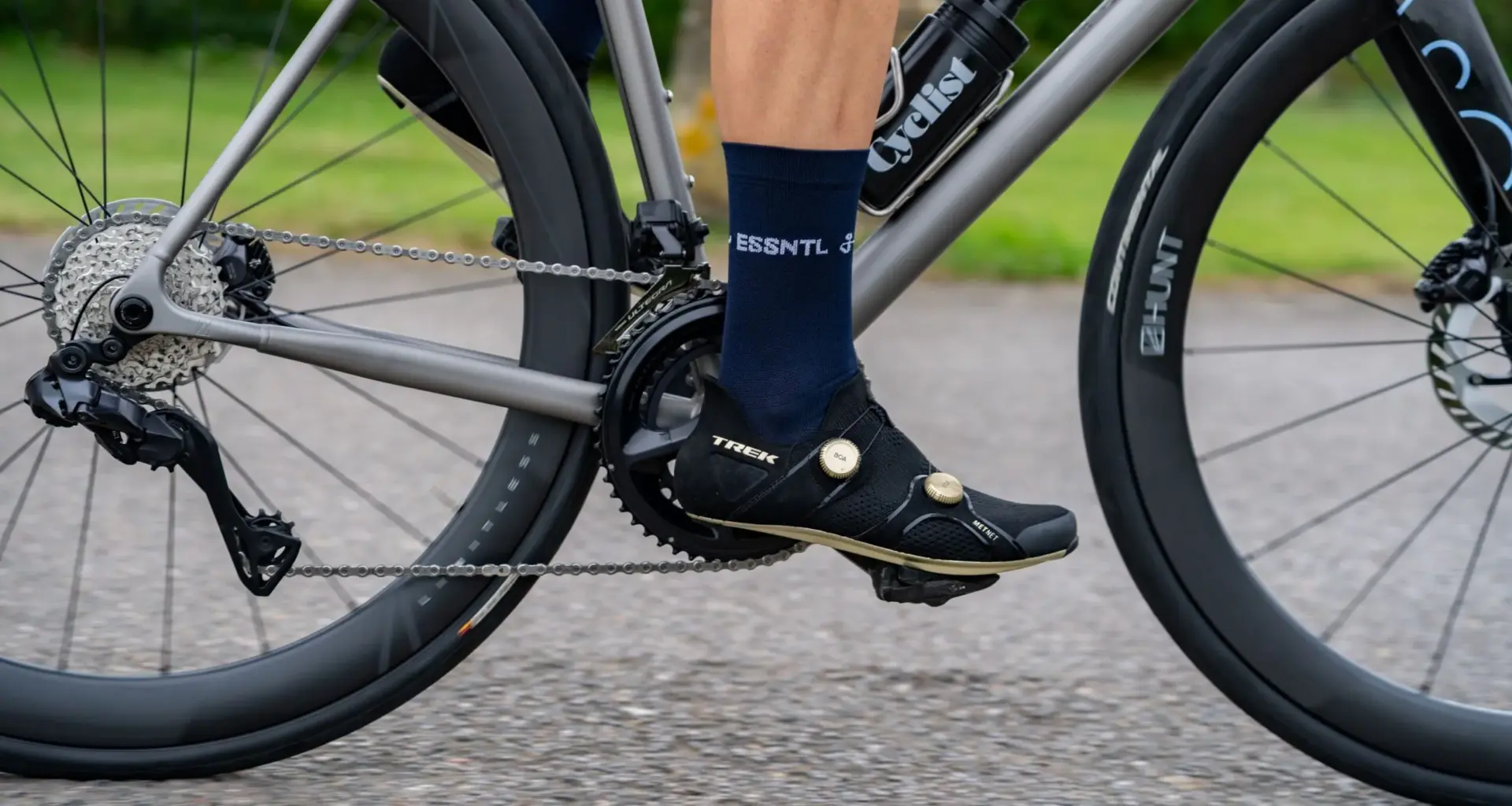
The majority of Trek’s parts and accessories have traditionally been marketed under its Bontrager sub-brand, but over the past year or so Trek has been reserving the Bontrager name for components, while its apparel and soft goods get the Trek name alongside its bikes.
Trek has used the rebrand as an opportunity to overhaul its performance road shoe line, releasing four new models last year, covering the mid- to high-end categories. Unsurprisingly given their £400 price, the RSL Knits sit at the top of new tree. Compared to the cheaper shoes in Trek’s lineup, the RSL Knits come with flashier materials, the best Boa dials and top-grade carbon soles, but there are some consistent themes across the range.
Related questions you can explore with Ask Cyclist, our AI search engine. If you would like to ask your own question you just need to , or subscribe.
 Lizzie Crabb
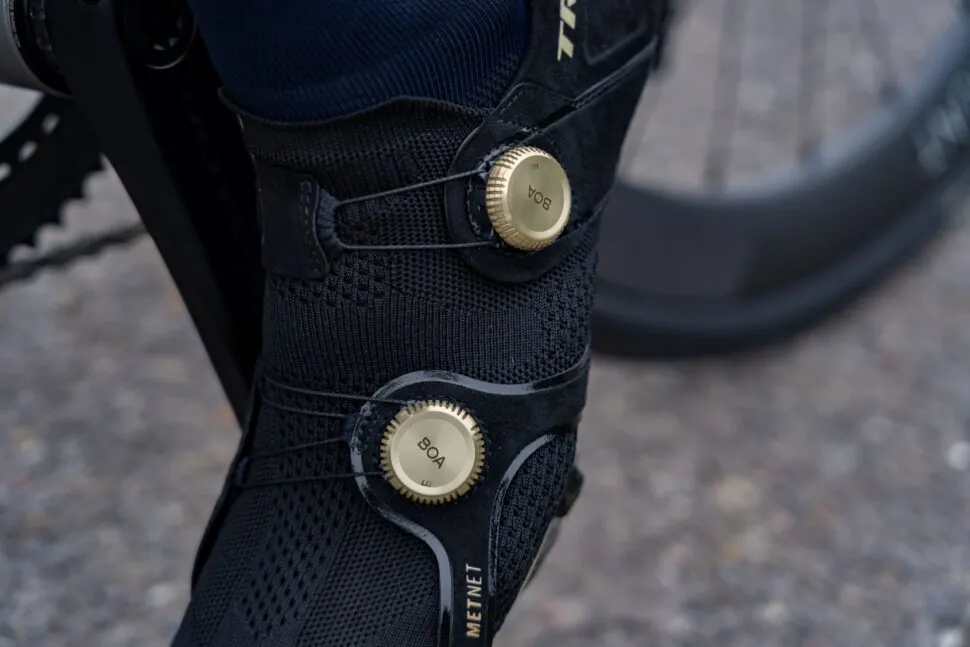
All four models have insoles made using Rise By Bloom, an EVA foam alternative created from algae rather than oil derivatives. The models also share a similar last and all come with MetNet pressure relief zones.
‘Through the research we did when developing this new range, we identified that the most common areas of discomfort were on the outsides of the 1st and 5th metatarsals,’ says Trek’s Brian Turany. ‘So we introduced MetNet, which is sections of shaped perforations that give the upper the ability to conform to the rider’s foot in these areas.’
 Lizzie Crabb
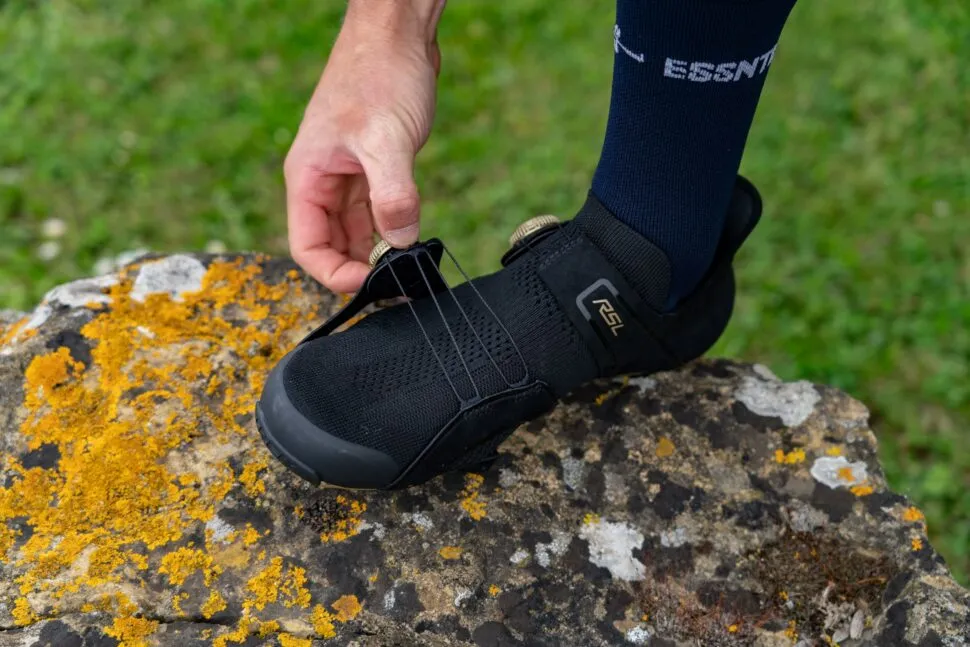
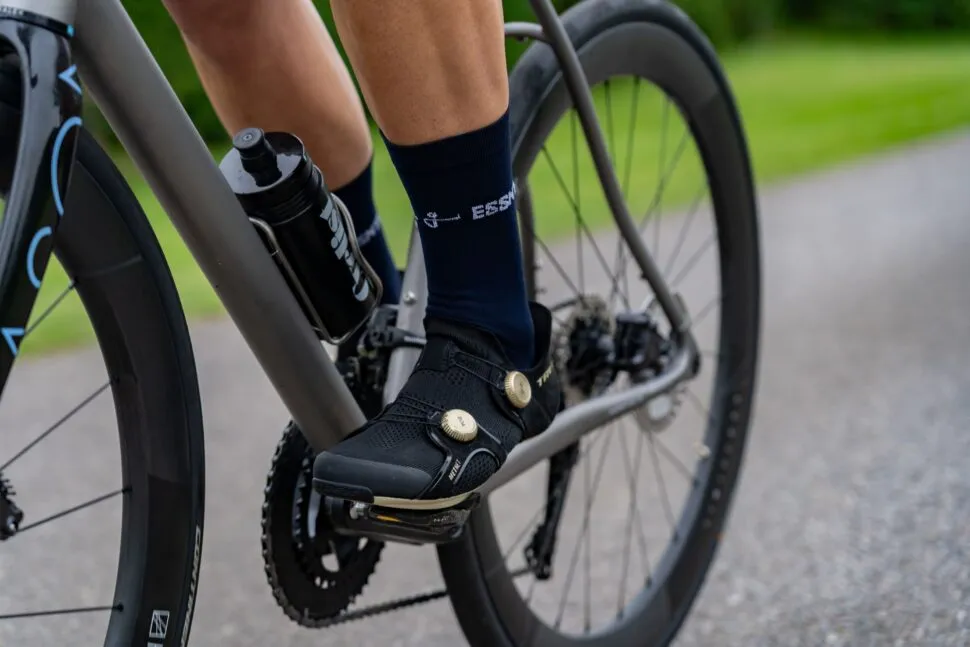
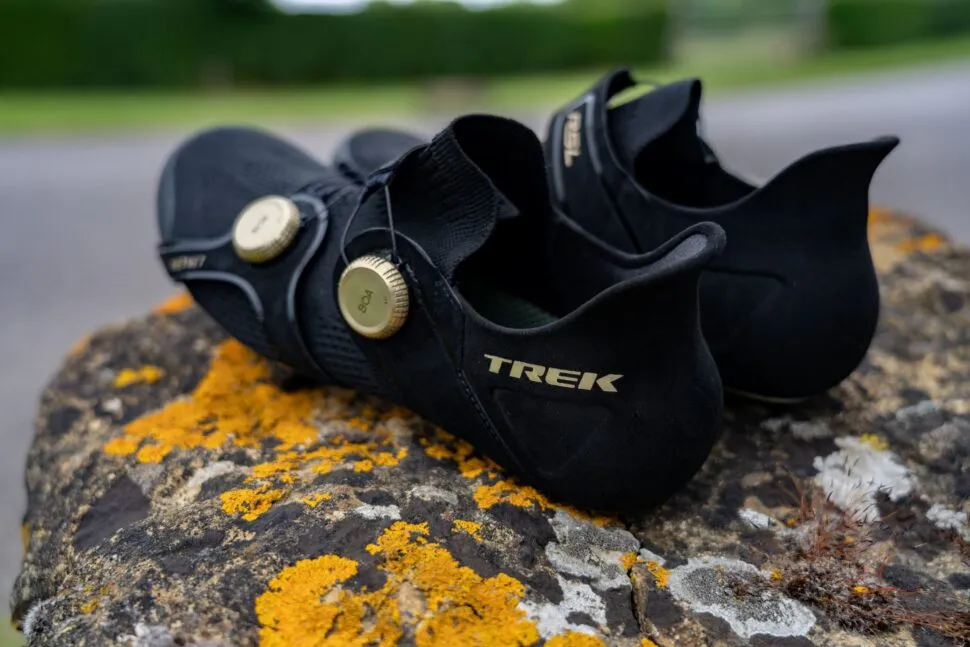
The way the RSL Knits go about employing this MetNet tech differs from the other shoes because the way the upper is constructed is fundamentally different from the other shoes in the range. Instead of a conventional TPU-based upper enclosing a tongue, the RSL Knits use a one-piece woven upper, not unlike a sock, attached to the carbon sole. For security, the upper is stitched to a reinforced suede heel cup, and the Boa dials are mounted on otherwise free-floating ribs of non-stretch material that enclose the sock in an exoskeleton-like manner.

 Lizzie Crabb
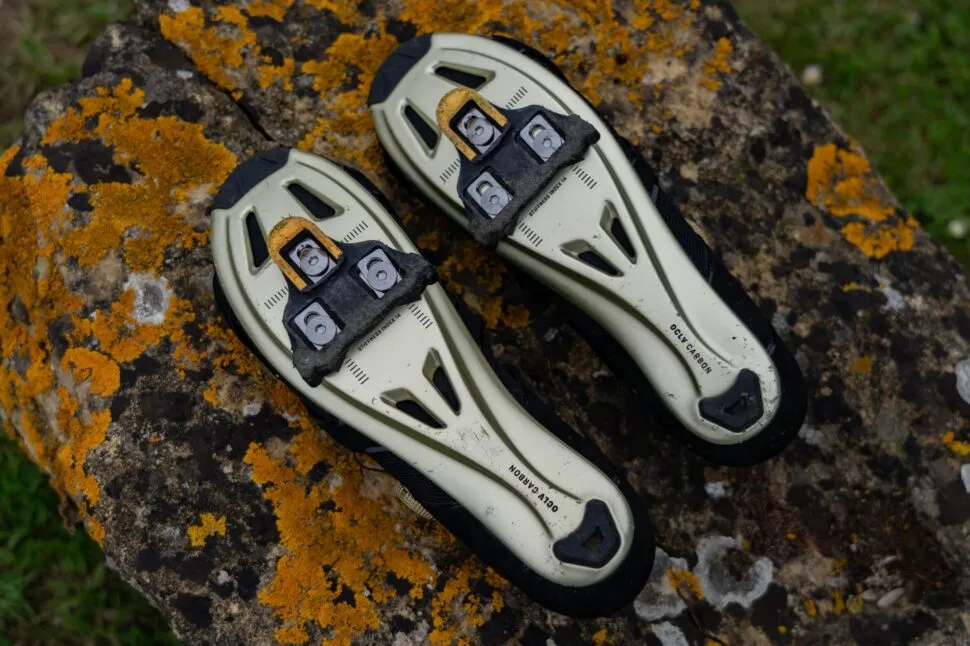
MetNet in the RSL Knits manifests as changes in the weave pattern that open up larger perforations. These perforations then allow the material to stretch and warp more readily than other areas of the upper, but the whole thing is still unusually flexible. That’s in stark contrast to the sole, which uses the same OCLV carbon composite as Trek’s bikes and is rated as the stiffest sole Trek offers.
Though their knitted construction may suggest light weight, the RSL Knits are competitive without being groundbreaking, weighing in at 505g for this pair of size 43s. Trek offers this flashy black/gold colour or a white and silver option, with full sizes only from 36-48.
Trek RSL Knit shoes: Bide your time
 Lizzie Crabb
It’s our aim to review products in a timely fashion at Cyclist, so we would have liked to have tested the RSL Knits when they came out in summer last year. However, by the time Trek had review samples available to send out, summer had passed and the weather became too wet and cold to test them properly – which says a lot about the way the shoes are constructed and the conditions they are suitable for.
That sock-like upper allows near-unrestricted airflow – and water ingress – to reach the rider’s feet, making these shoes strictly for warm, dry riding. That usage window may be a little restrictive compared to more versatile rivals, but the trade-off is an unparalleled level of breathability. The benefits of the upper construction don’t stop there, either. Due to its malleability, the shoes offer a true second skin-like fit, conforming nearly as well to the shape of my feet as the socks I wore underneath them. This, I’m assuming, makes the shoes very accommodating to a wide range of foot shapes.
Based on the width of the sole, I think the natural last shape of Trek’s shoes is perhaps a little too narrow for my feet, which are on the wide side, but the flexibility of the upper – especially at those MetNet zones on the outsides of my toe joints – stretched easily to prevent any rubbing or constrictions.
 Lizzie Crabb
The Knit design does have its performance limitations, however. The tongueless opening makes putting the shoes on a bit of an ordeal. Once on, while the upper wrapped my feet well enough for gentle or long rides almost without the need for the Boa dials, on short, fast rides where a tighter, more rigid fit was desired, the feeling of foot security under hard efforts wasn’t as high as shoes with a sturdier upper. The Boa dials can be cranked down, but because the straps are separate to the upper rather than built in, the pressure they exert on the foot is localised rather than more evenly distributed. I could clearly feel the straps clamping my forefoot and ankle down when they were tight, rather than the more general pressure you experience with traditional shoes.
Quirks aside, though, there’s a lot to like about the RSL Knits. They have a bold design that I think is both visually appealing and presents plenty of benefits that other shoes struggle to match. The catch is that those benefits can only be exploited in certain riding situations. Given their price, that may put plenty of riders off, but those who are looking for a comfortable, breathable pair of summer shoes are unlikely to find better.
Trek RSL Knit shoes: The spec
Model: Trek RSL knit
Weight: 505g (pair size 43)
Price: £399.99
Sizes available: 36-48
Colours available: Black/gold, white/silver
More info: trekbikes.com