
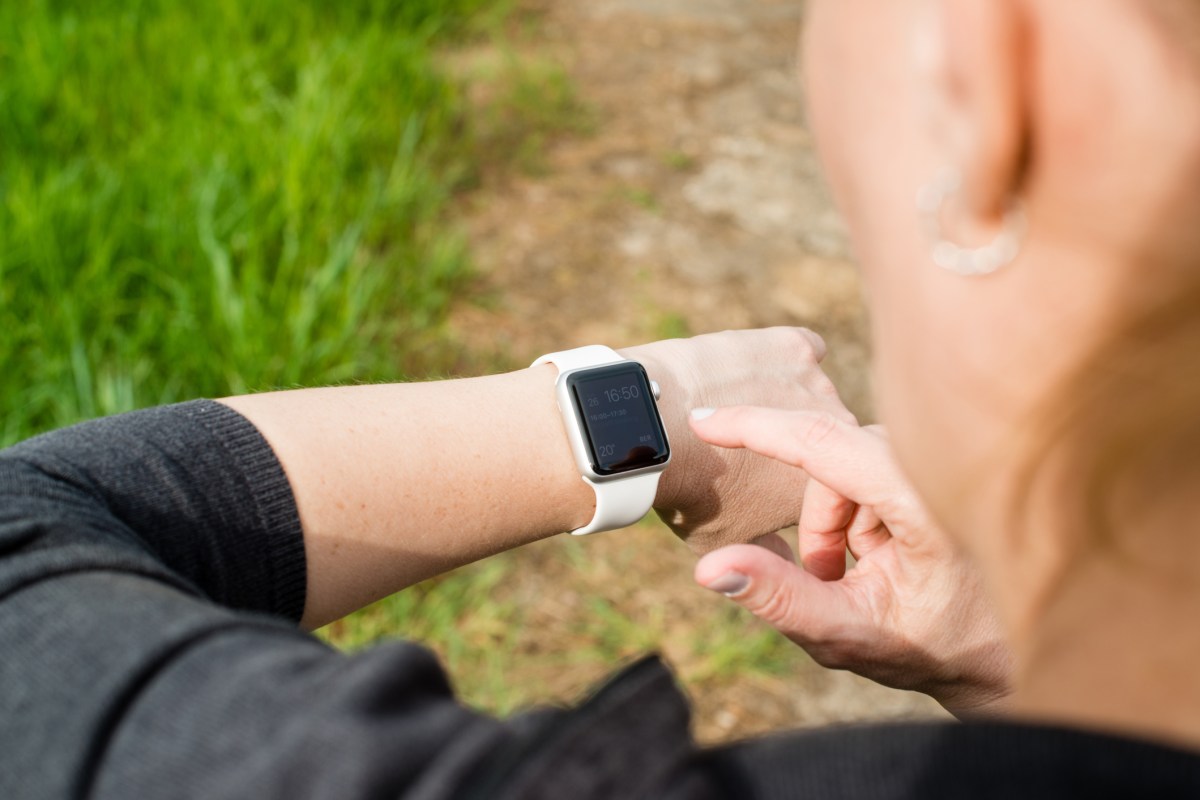
Being the tech-obsessed one in the family had always been a harmless quirk. But when one man fell ill, his Apple Watch went from novelty to lifeline.
Stephen Pollard, a journalist and former editor-at-large of the Jewish Chronicle, recently published a story in The Times detailing how his Apple Watch helped alert him to a more serious medical condition than he previously thought.
“My Apple Watch saved my life,” Pollard wrote as the title of his article.
Pollard begins by saying how he is often laughed at by his family members for being so interested in technology, noting that he gets “ludicrously excited when there’s an updated operating system” for his Apple Watch.
“Mock all you like—it’s water off a duck’s back because my Apple Watch just saved my life,” he explained.
It Began with a Cough
Pollard said that he recently experienced a severe cough which quickly turned into “one of those dreadful affairs that drains your whole body when you heave and makes it difficult to catch your breath.”
He eventually went to a doctor, where he informed them that he is currently on medication to treat his leukemia. The doctor gave him medication for a chest infection, noting that he is often aware of mixing medications with the one he is taking for his leukemia.
When he attempted to go to sleep later that night, he began experiencing severe nausea comparing it to the “worst seasickness imaginable.”
He tried brushing it off and going to sleep, but quickly noticed his heart rate soaring to over 120bpm.
 Mixing Medications
“A quick search showed that there is a red flag right at the top of pretty much all info about the antibiotic I had been given, specifically warning about combining it with the chemo pill I was on,” Pollard continued.
He urgently called his doctor who asked if Pollard was experiencing any heart palpitations.
“The previous night I’d had a warning message from my Apple Watch that my heart rate was over 120bpm, despite my sitting still,” Pollard shared, noting that he tried to dismiss it given his severe headache and nausea.
Pollard said that his doctor explained if his heart rate did not start to come down after taking his last dose of medication, the “damage had already been done.”
Pollard’s heart rate eventually did fall, and he noted how he is on the mend and there has been no “impact” on his chemotherapy treatments.
“As the doctor who ended up treating me put it, ‘You need to say a very big thank you to your watch. You might not have been here without it,’” Pollard emphasized.
Other Close Calls Attributed to the Apple Watch
Other similar stories have also made headlines.
One previous Newsweek report detailed an incident where a London man received an alert from his Apple Watch.
After seeing a doctor, he learned that he was suffering from atrial fibrillation (AFib), a type of arrhythmia or irregular heartbeat, which could have led to serious consequences.
For now, Pollard remains a proponent of wearing a smartwatch, remarking, “You might not like the idea, but you never know when it might save your life.”
Newsweek has reached out to Pollard for comment via his Substack.
Newsweek has reached out to Apple for comment via email.
To read how Newsweek uses AI as a newsroom tool, click here.