
The claims process for a landmark federal settlement involving survivors of Canada’s so-called “Indian Hospitals” has officially opened, nearly a year after the agreement was reached.
Mary Florence Genaille spent several years inside a Manitoba federally-operated Indian Hospital.
“It was not a good time,” she said.
Genaille was just seven-years-old when she was taken to the Brandon Sanatorium in 1953.
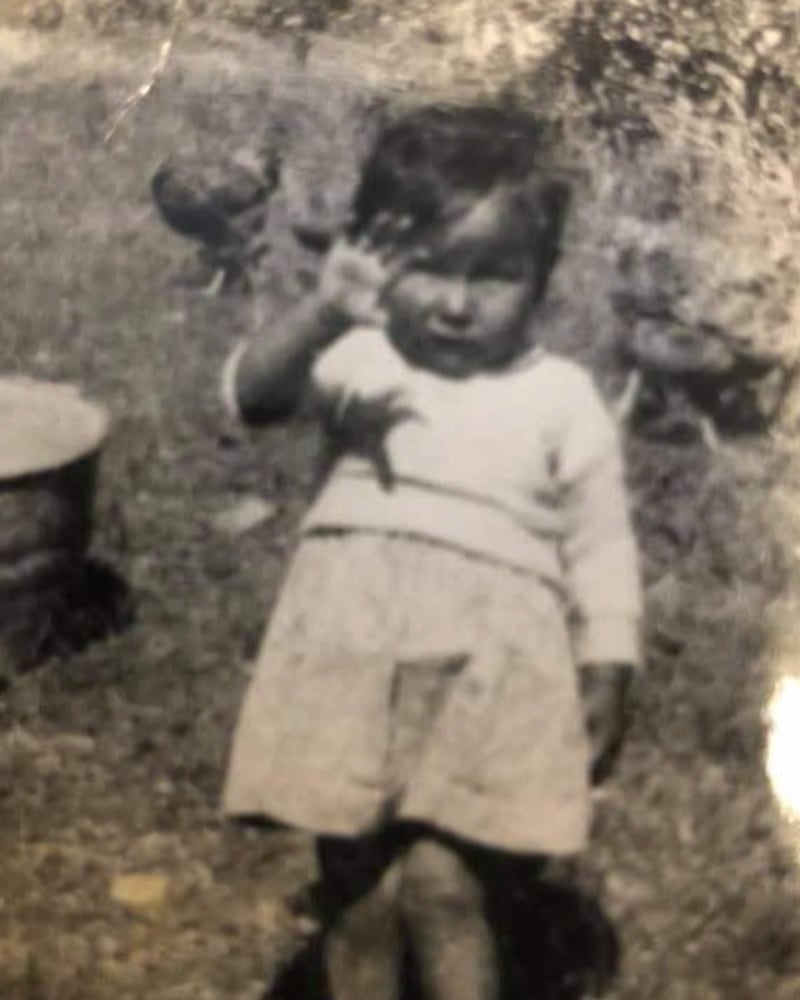 Submitted photo of Mary Florence Genaille. Submitted photo of Mary Florence Genaille, who spent several years inside a Manitoba federally-operated Indian Hospital.
“It was a horrible thing to go through,” she said. “When I went in there, into the Sanatorium, they didn’t even let my mother know. They just took me, put me in there, and without my mother’s knowledge. What kind of people do these things?”
During her time at the institution, Genaille says she was confined to her bed and subjected to shock treatments.
“You see these things, they stay with you for your lifetime,” she said.
“I was hooked up to these machines, and I used to remember how much power went into my system. It was so powerful that my fingers started twisting sideways. There were doctors all around me, watching.”
“It has affected my life; it has affected how I raised my children; it affected how to behave as a neighbour, a friend,” she said.
Genaille is one of more than 100,000 Indigenous people who were forced to go to 33 federally operated Indian Hospitals between 1936 and 1981. Six of them were in Manitoba.
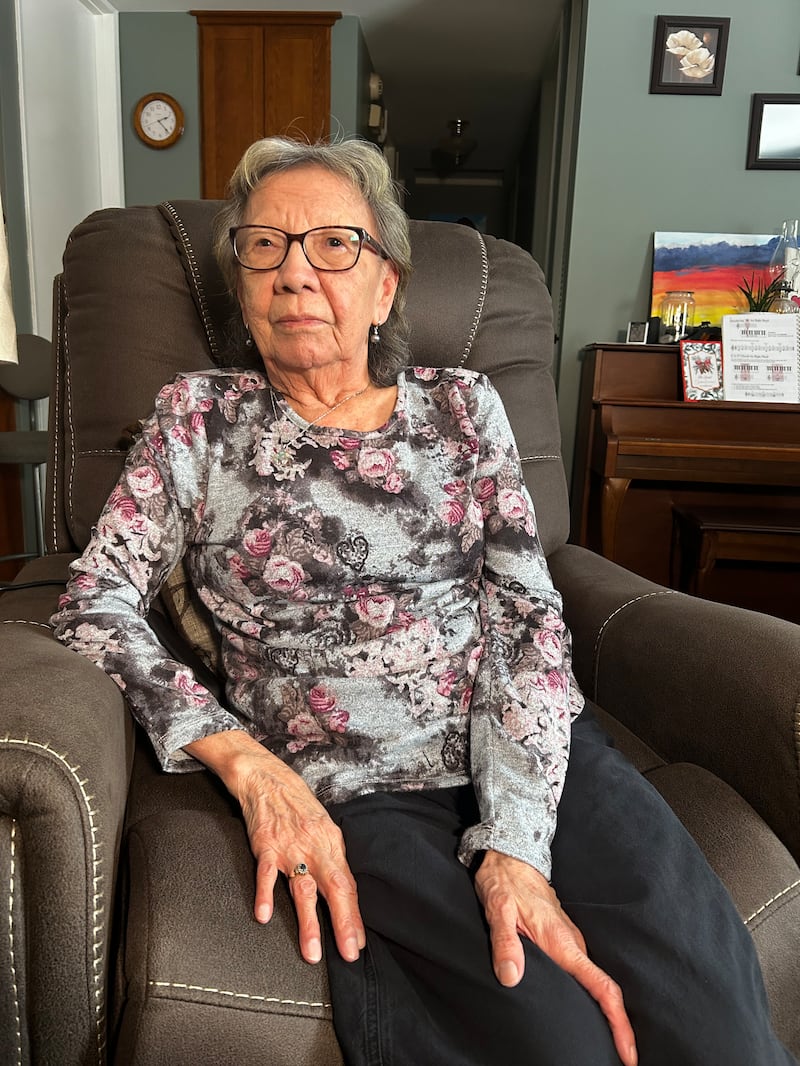 Mary Florence Genaille Mary Florence Genaille spent several years inside a Manitoba federally-operated Indian Hospital. Supplied photo.
The institutions were created to address high rates of tuberculosis among Indigenous Peoples.
“These were federally-run, racially segregated Indian Hospitals,” said Sean Carleton, a historian and Indigenous studies scholar at the University of Manitoba.
“There were a lot of problematic aspects of these institutions. Many survivors felt it wasn’t care they were receiving, but rather another prong of the federal government’s attempts to assimilate Indigenous people,” he said.
Mary Jane McCallum is a history professor at the University of Winnipeg, and has been studying these facilities for well over a decade. She says these hospitals are significant to the history of Manitoba and Canada.
“In my experience almost every Indigenous family in Manitoba has a harrowing story about at least one family member sent to an Indian hospital,” she said. “Moreover, Indian hospitals play a central role in the development of our health systems, persistent health disparities, and systemic racism in health care today.”
In 2018, former patients launched a class-action lawsuit against the federal government, alleging abuse and unfair treatment.
The case ultimately led to a settlement that makes survivors eligible for compensation ranging from $10,000 to as much as $200,000, depending on the severity of their experiences.
The claim process for survivors to apply for the compensation is now open.
“It will vary with the experience what any claimant suffered,” said Doug Lennox, a lawyer involved in the settlement. “Claimants will need to provide some evidence and testimony as to what happened to them so the claims administrator can assess it.”
Class members have until July 2028 to submit a claim. The estates of class members who died after January 2016 are also eligible.
For Genaille, the compensation is welcome news, and a step in the right direction, but doesn’t take away the pain she endured at the facility in Brandon.
“It’s just such a painful thing to have lived through,” she said. “And I know there are a lot of people who have lived through it.”