
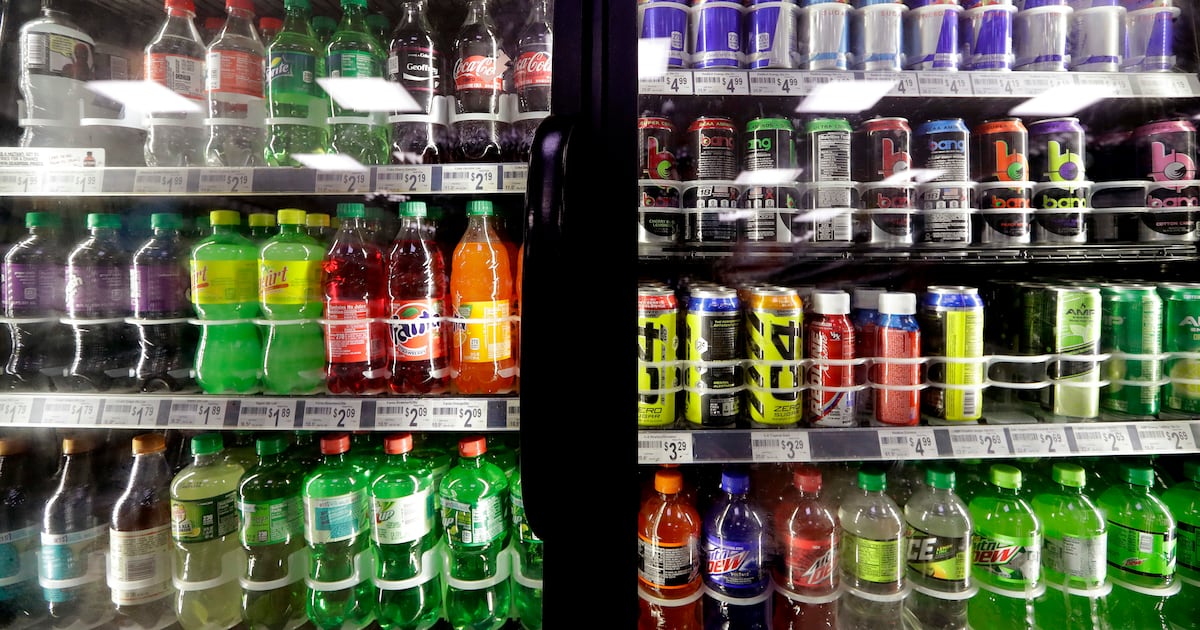
Ultraprocessed foods like sugary sodas and sweets are “carefully engineered” to encourage consumption and should be regulated like cigarettes, according to a new study.
Published Monday in The Milbank Quarterly, a peer-reviewed health-care journal, the study examines how the design, marketing and distribution of ultraprocessed foods mirrors tactics employed by the tobacco industry. Like industrial tobacco products, many ultraprocessed foods are strongly associated with serious health risks that can include heart disease, cancer, diabetes and obesity.
“Some ultraprocessed foods have crossed a line,” study co-author and University of Michigan psychology professor Ashley Gearhardt said in a news release.
“Products like soda, sweets and fast food are engineered less like food and more like cigarettes — optimized for craving, rapid intake, and repeated use. That level of harm demands regulatory action aimed at industry design and marketing, not individual willpower.”
Drawing on addiction science, nutrition and public health history, Gearhardt and researchers from Duke University and Harvard found several parallels between ultraprocessed foods and industrial tobacco products, which are designed to quickly deliver nicotine and trigger cravings.
‘Deliberately engineered’
Like tobacco, the study argues that ultraprocessed foods should be considered addictive because they are “deliberately engineered for maximum appeal and profitability, often using strategies analogous to those employed to optimize cigarettes.”
For example, to leave consumers craving more, ultraprocessed foods can deliver high doses of sugar or fats to maximize pleasure while also accelerating digestion with additives or by stripping foods of fibre, protein and water.
Such products can create a rapid rise in blood sugar followed by a swift drop, a “physiological crash [that] mirrors the nicotine withdrawal response,” according to the study. Additional ingredients for taste, smell and texture are often included to make products more appealing, reduce feelings of fullness and increase shelf life.
“In stark contrast, minimally processed foods retain their natural structure, which includes intact fibres, proteins, and water content that slow the process of digestion and absorption,” the study explains. “These foods typically require more oral and gastrointestinal processing, leading to a more gradual rise in blood glucose and potentially a slower, more sustained dopamine response.”
Like many tobacco products, the researchers argue that ultraprocessed foods can also feature “health-washing” claims that mask other potential harms. Such labels can declare that products are “low fat” or “sugar free,” which is similar to “light” or “low tar” cigarettes and “smoke free” nicotine products like e-cigarettes.
‘Significant public-health risks’
The researchers ultimately conclude that many ultraprocessed foods “share more characteristics with cigarettes than with minimally processed fruits or vegetables and therefore warrant regulation commensurate with the significant public-health risks they pose.”
Drawing from policies designed to reduce tobacco-related harms, the researchers argue that ultraprocessed foods should be subject to regulations that include improved labelling, restricting child-targeted marketing, additional taxes on nutrient-poor products and limiting availability in places like schools and hospitals.
“Tobacco provides a warning, and tobacco control provides a source of hope,” the study concludes. “Similar to tobacco, voluntary reform of the industry will not be sufficient. Policies that confront [ultraprocessed foods] with the same seriousness that once applied to tobacco, while actively promoting real food, offer the most promising path out of the current crisis.”