

Millions more workers may be affected by the chancellor’s raid on salary sacrifice schemes than originally estimated, the Office for Budget Responsibility has said.
In her budget last year, Rachel Reeves announced plans to cap at £2,000 the amount a worker could pay into their pension via salary sacrifice without incurring national insurance. The cap, which is expected to raise £4.8 billion in its first year, will come into effect in April 2029.
Previous government analysis said it would affect only 44 per cent of the 7.7 million people — about 3.4 million — who pay into their pensions using salary sacrifice. This is because the rest do not pay in enough to breach the £2,000-a-year threshold.
However, documents released by the OBR on Thursday said the remaining 4.3 million could also be affected depending on how businesses responded to the new cap. The government watchdog said that “significant behavioural uncertainty” remained and there were fears that some employers would stop using salary sacrifice entirely.
Salary sacrifice allows workers to give up part of their gross salary in exchange for benefits, most notably pension contributions. The money comes out of pay before it is subject to income tax or national insurance. At present, employees can pay up to £60,000 a year into their pension scheme this way.
When the £2,000 national insurance exemption cap comes in, the OBR said, employers could respond in several ways. They could switch all employees to a relief-at-source scheme, meaning that contributions would be deducted after net pay. This would make affected workers suddenly liable for national insurance and income tax on their contributions. Employees paying a higher or additional rate tax would then need to complete a self-assessment form to claim back their extra pension tax relief.
• Why high earners are missing out on £1.4bn in pensions tax relief
Employers could also choose to increase their own pension contributions to a workers’ pot. Only employee contributions are capped under the new rules and employers’ contributions will remain exempt from national insurance. The OBR warned that this could lead to employers offering workers arrangements such as lower pay but higher contributions, meaning that they lost out on wage growth.
The OBR also said there was a “high likelihood” that employers would pass on some of the costs from the changes to the salary sacrifice scheme to their employees. It concluded that “76 per cent of the hit on employers” would be “passed through, mainly via lower wages”.
Steve Webb, the former pensions minister who is now a partner at the consultancy firm LCP, said: “Far from ordinary workers being ‘protected’ from the changes, we could see millions of people on modest incomes losing out as well, further undermining their incentive to save in a pension.
“We urgently need the government to be clear about the true scale of the losses from this policy and not continue to suggest that ordinary workers will not be affected.”
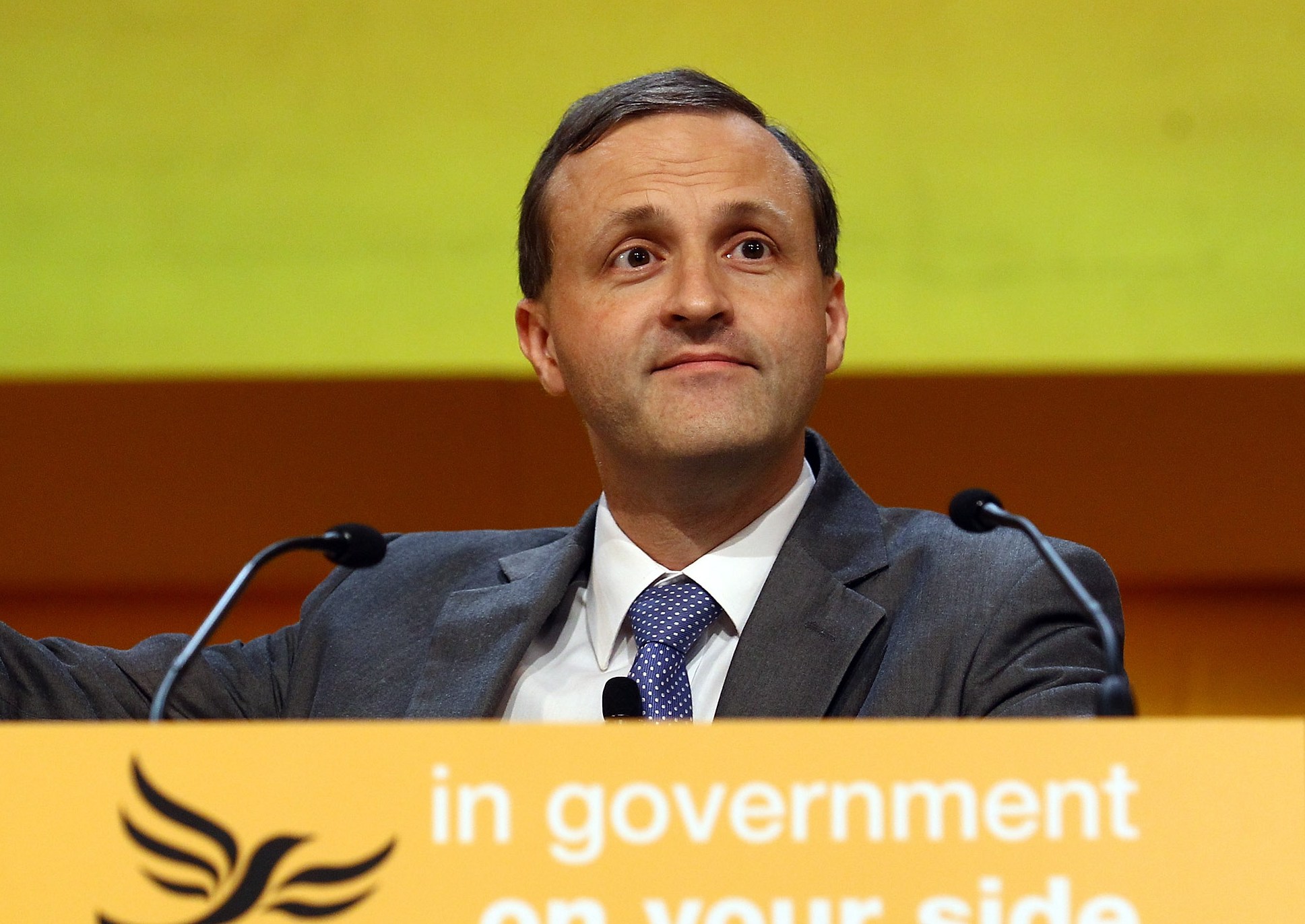
Steve Webb
MATT CARDY/GETTY IMAGES
Damon Hopkins, from the financial services consultancy Broadstone, said: “Employers have a range of options available to them to mitigate the impact, but these won’t come without other consequences.” These consequences, he said, could include “less generous workplace pension contributions, lower future pay rises or less jobs”.
A spokesperson for the Treasury said the fact that the salary sacrifice cap would encourage behavioural changes from businesses was not “new information” and that acosting note published with the budget had addressed this.
They added: “Our reforms protect 95 per cent of workers earning under £30,000 who use salary sacrifice, while tackling costs that were set to treble to £8 billion as high‑earners piled in bonuses tax‑free.”