
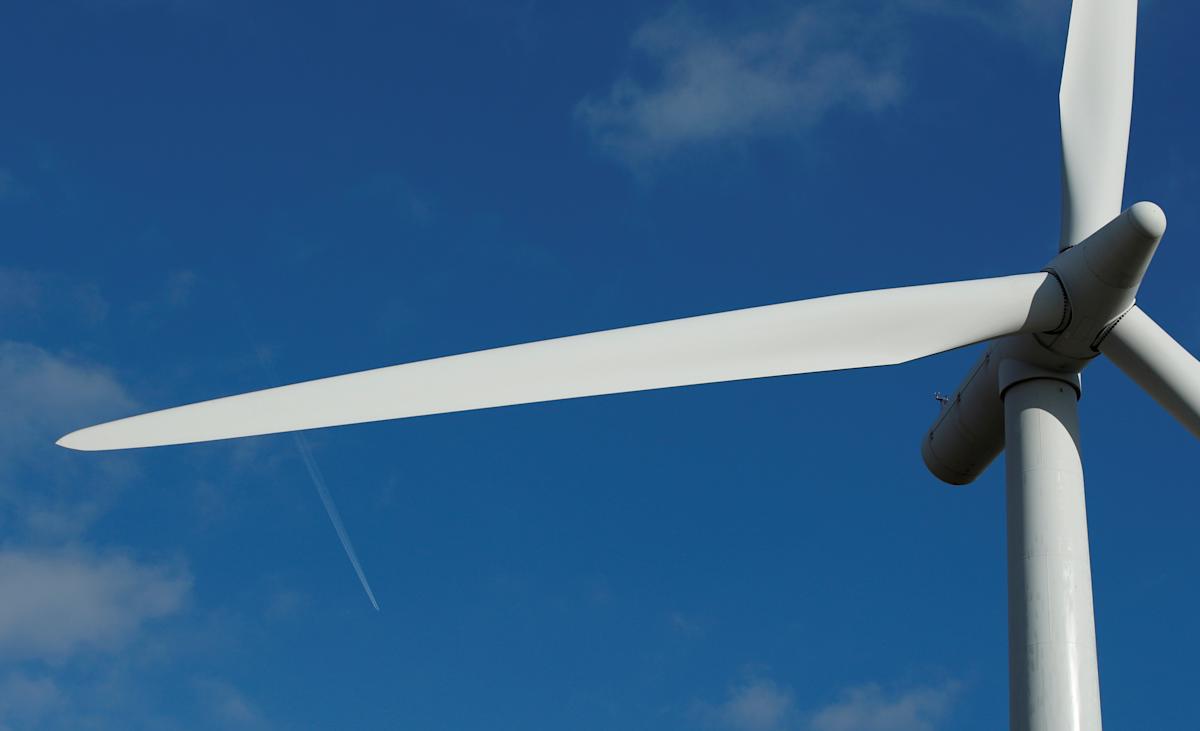
Canadian investment in wind, solar, and energy storage is forecast to top $200 billion over the next decade, leading to a significant decline in the emissions intensity of electricity production, according to the Canadian Renewable Energy Association (CanREA).
The Ottawa-based national industry association’s market outlook calls for an average annual investment of $14 billion to $20 billion across Canada between now and 2035. Researchers say this will help cut greenhouse gas emissions, while creating up to 350,000 direct and indirect full-time equivalent jobs.
“We expect Canada’s installed wind, solar, and energy storage capacity to grow by a third in the next four years and double in the next decade,” CanREA president and CEO Vittoria Bellissimo stated in a news release earlier this week. “The momentum is building fast.”
According to the group’s analysis, Canada has about 150 gigawatts (GW) of installed electricity generation capacity. This includes 17 GW of wind, 2.3 GW of solar, and one GW of storage. Over the next decade, CanREA estimates the addition of 30 GW to 51 GW of new wind power, 17 GW to 26 GW of new solar power, and 12 GW to 16 GW of new energy storage.
Last week, BloombergNEF’s Energy Transition Investment Trends 2026 report noted that Canada dropped off the top 10 list of global investors last year, with spending down 8.8 per cent to US$33.4 billion in 2025. However, the report notes this was largely influenced by weak electric vehicle sales.
Last month, Prime Minister Mark Carney signed a strategic partnership with China to collaborate on batteries, solar, and wind technology. In exchange, Canada relaxed tariffs on Chinese EVs.
At the same time, Ottawa’s Major Projects Office has listed offshore wind in the Maritimes as a potentially “transformative” opportunity. CanREA’s investment estimates do not include offshore wind.
The Carney government’s inclusion of wind-generated electricity in its plans is a stark contrast to U.S. President Donald Trump’s view of the technology. In a recent speech at the World Economic Forum, Trump repeatedly used the phrase “green new scam” to refer to clean energy. Wind generation bore the brunt of his attack.
“Windmills all over the place destroy your land,” he told an audience in Davos, Switzerland on Jan. 21. “Every time that goes around, you lose $1,000. You’re supposed to make money with energy, not lose money.”
Trump also said China sells wind turbines to “stupid people,” while not employing them at home. According to the World Wind Energy Association, China leads the world in wind generation capacity by a wide margin.
“Donald Trump’s hostility to wind and solar power, and his visceral hatred of anything related to Joe Biden, have caused widespread questioning of renewable energy subsidies,” Columbia University public affairs professor Steven Cohen wrote in a recent opinion piece.
“An aging, fossil fuel-powered electrical grid guarantees that the price of electricity will continue to grow. A more modern, renewable energy-based, computer-controlled, energy-efficient grid will result in a more reliable and lower-cost supply of electricity,” he added.
“We’ve seen it with landline telephones, cable TV, and wireless internet. Someday, we will see it with electricity. All these transformations will stimulate, and not impede, economic growth.”
Jeff Lagerquist is a senior reporter at Yahoo Finance Canada. Follow him on X @jefflagerquist.