


The new regulations set the table for a Cycling Esports World Cup, but how will the racing platforms respond?

Much was made of handlebar widths and presidential term limits after the UCI Management Committee session at the 2025 Road World Championships. While most of the cycling world was focused on the implications for established disciplines, the seven slides dedicated to cycling esports – from a presentation deck of 577 – are the ones enthusiasts of the emerging discipline will point to as pivotal. Behind those visuals sat a longer-term project that had already been taking shape.
When we initially spoke with UCI cycling esports coordinator Jacob Fraser, he promised that the first step toward a sanctioned event calendar and global rider ranking system for cycling esports was underway, and that it would lay the groundwork for a Cycling Esports World Cup.
That day has come in the form of a revised universal ruleset to offer consistency for athletes, national federations, race organizers, and platform providers. At the same time, it would standardize the nuanced policies that each platform imposes on its competitors.
For the first time since 2020, when Aussie Olympic and world champion Michael Rogers served as the head of esports, the UCI has made widespread additions and revisions to the regulations for cycling esports.
When Rogers stepped aside in 2024 and gave the nod to his right-hand consultant, Fraser, it came with a lofty, tenure-defining mandate: to solidify and innovate competition structures to support a sanctioned event calendar and an eventual bid for Olympic inclusion.
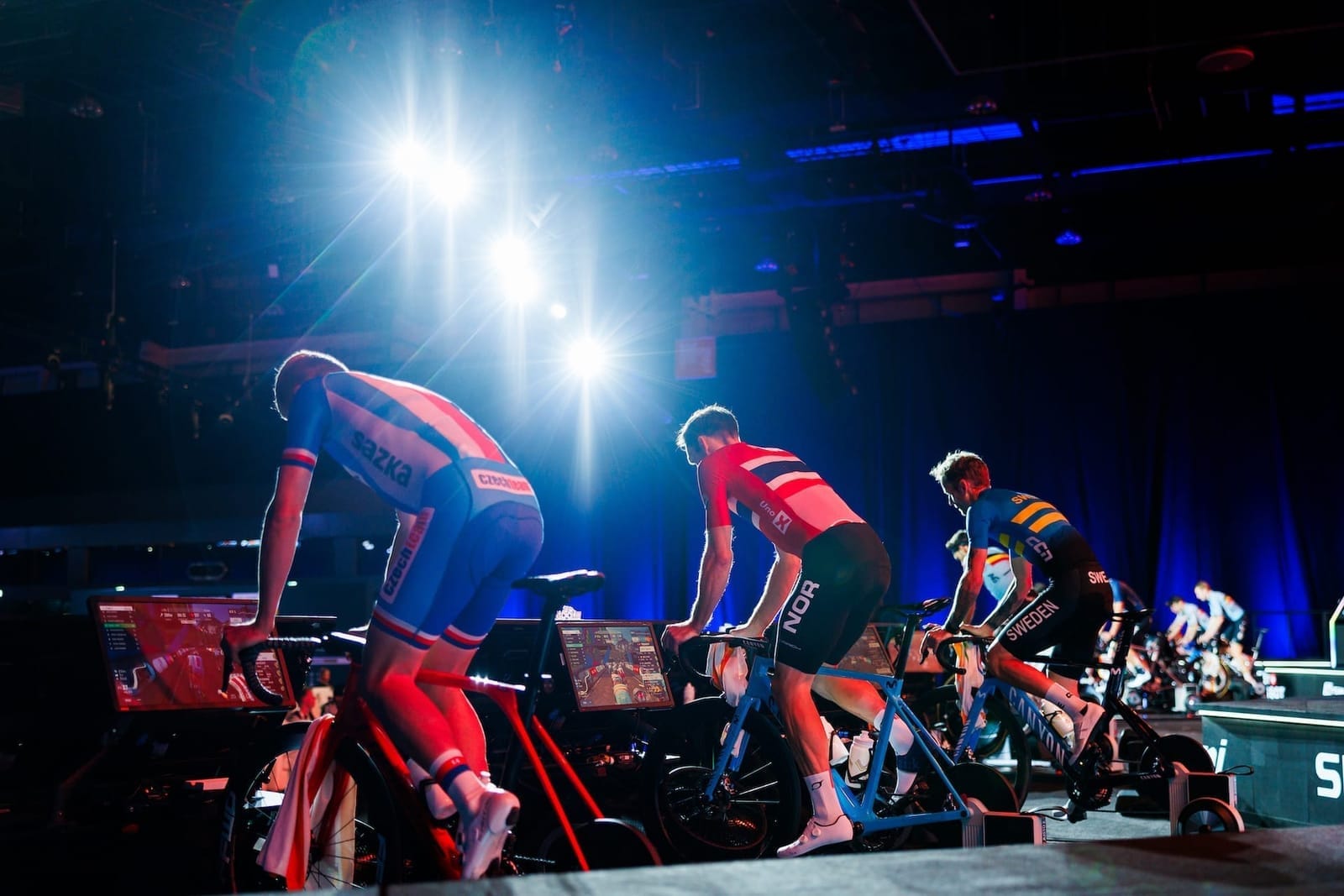 A Cycling Esports World Cup
Sponsorships and National Olympic Committee (NOC) funding that accompany a Cycling Esports World Cup and Olympic recognition would define the future of cycling esports. The exposure alone could transform the discipline, providing the financial and institutional backing it needs to thrive.
Fraser and the UCI understand this, which is why the governing body has turned its attention toward reinforcing the sport’s foundational elements. It’s a step toward revitalizing the stagnant discipline by laying the foundation for the model first proposed by the UCI almost three years ago.
“For your information,” a spokesperson offered to this author during a 2023 interview, “the UCI is currently working on establishing an international calendar and a ranking system for cycling esports and hopes to welcome new events in the future.”
With governance improvements aimed at ensuring consistency and credibility across the sport, the prospects of creating a competitive framework of world rankings, national and continental championships, and, eventually, the Olympics are higher than they’ve been since admission.
To get there, however, vision alone isn’t enough. The UCI first had to shore up the base, while at the same time pointing a finger squarely at the platforms, forcing them to make the hard choice: either commit the resources needed to comply or risk being left out. Fraser’s writing a big check that he might not be able to cash.
This post is for paying subscribers only
Subscribe now
Already have an account? Sign in
Did we do a good job with this story?
👍Yep
👎Nope