
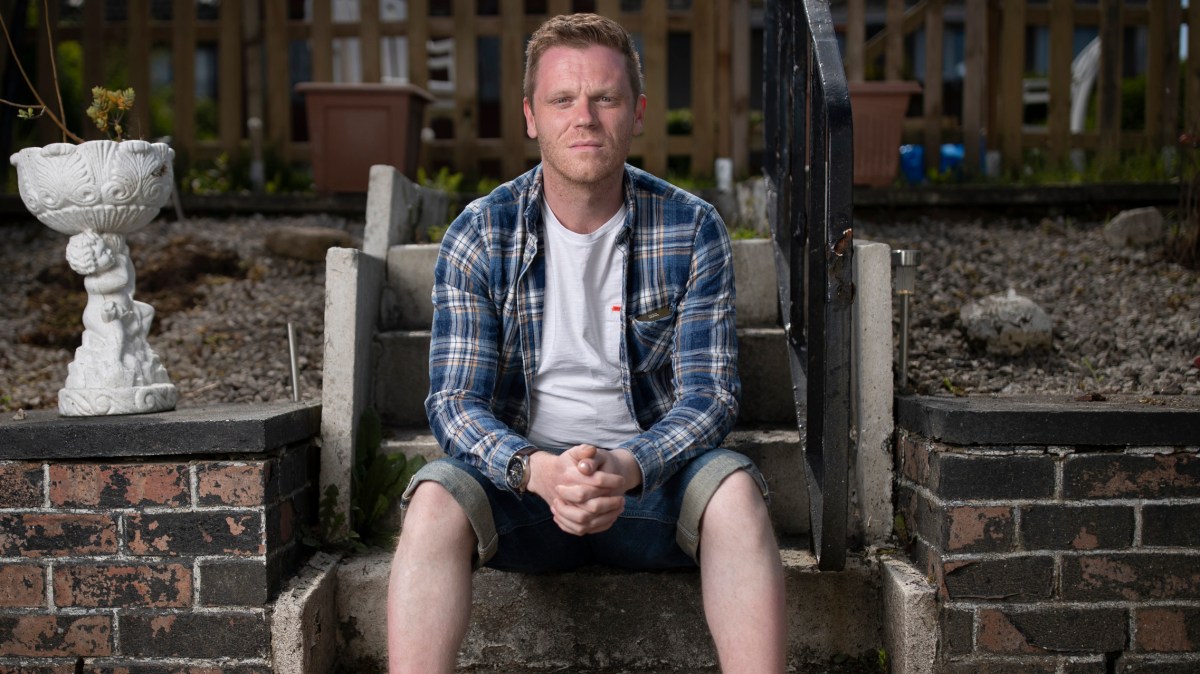
An Orwell Prize-winning author and gender-critical feminists have condemned the Edinburgh International Book Festival, accusing it of exclusion, discrimination and blacklisting.
Darren McGarvey, who won the Orwell Prize for his book Poverty Safari and delivered a Reith lecture for the BBC, questioned the decision of festival bosses not to put him on the programme, saying that he felt excluded.
He asked if he had done something to upset festival organisers. “I know I’m not a big deal in grand scheme of things but this is now the second book I’ve had out and no invite to come and do an event, at my home country’s flagship book festival.
“My work on trauma is current, it ties in nicely to your themes. It’s full of material that ticks all your boxes for creating conversation.”
Posting on social media, he asked: “Do civic society and the arts not care about safeguarding people who disclose trauma publicly? What’s the deal?” He added: “Surely I’m part of the Scottish literary establishment now?”
McGarvey believes “lip service” is being paid to creating an inclusive platform which is not borne out in the programme.
He said his latest work is nuanced and examines the culture of trauma and its commodification which may have sparked discomfort among the book festival organisers, adding: “That would probably make a lot of people uncomfortable. Perhaps it might be a little bit too close to home for some people.”
McGarvey, who is also known by his stage name, Loki, is staging a live Fringe show on his latest book, Trauma Industrial Complex, which examines the effects of oversharing personal trauma.
A spokeswoman for the festival said: “Shaping the festival programme is a complex process, this year presenting 700 events featuring 641 writers from 35 countries. This year’s programme explores themes including geopolitics, environmental repair and cultural reparations alongside celebrating the world’s most brilliant fiction. The sheer number of writers and volume of published work in Scotland, let alone from around the world, means that every year some authors won’t be on our stages.”
After McGarvey’s comments it emerged that Jenny Niven, the book festival’s director, justified the exclusion of The Women Who Wouldn’t Wheesht, a gender-critical book, as discussion on the subject “feels extremely divisive”.
Responding to a customer who asked why the book was not featured when the festival was giving a platform to queer and trans writers and speakers, Niven emailed: “We appreciate you taking the time to write to us, and acknowledge that you feel that we’ve missed the mark in this situation.
“As you would know as an audience member, we work very hard to ensure that the conversations that happen on our stages are rigorous, informed and fair.”
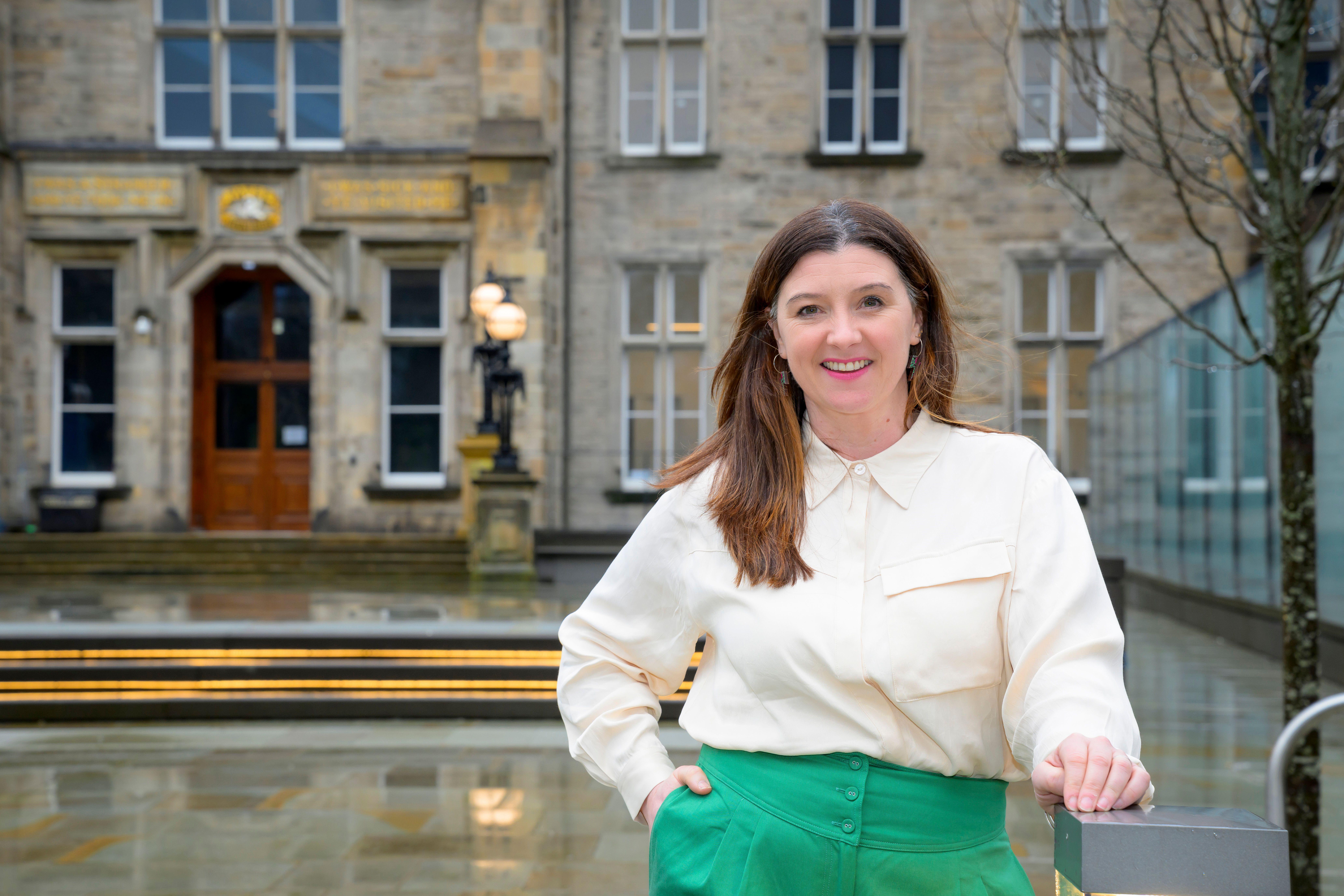
Jenny Niven did not want to “pit the rights of one minoritised group against another”
ALAMY
Niven added: “As you can see from the range of other challenging topics addressed in the programme, we don’t shy away from difficult conversation.
“However, at present, the tenor of the discussion in the media and online on this particular subject feels extremely divisive.
“We do not want to be in a position that we are creating events for spectacle or sport, or raising specific people’s identity as a subject of debate.
“Given the inflammatory tone of a great deal of media — on all ‘sides’ of this discussion — we did not feel it to be the right move for us to host a conversation which appeared to pit the rights of one minoritised group against another.”
Susan Dalgety, one of the authors of The Women Who Wouldn’t Wheesht, told the Scottish Daily Mail that she doubted whether Niven had read the book, saying it is “neither divisive nor inflammatory”.
She added: “By cancelling us, the book festival has failed in one of its core principles — to provide a platform for nuanced conversations between people with diverse views and experiences.”
Writing in a column for the newspaper, Jenny Lindsay, a gender-critical author, accused the book festival of “discrimination” and she found it “utterly enraging”.
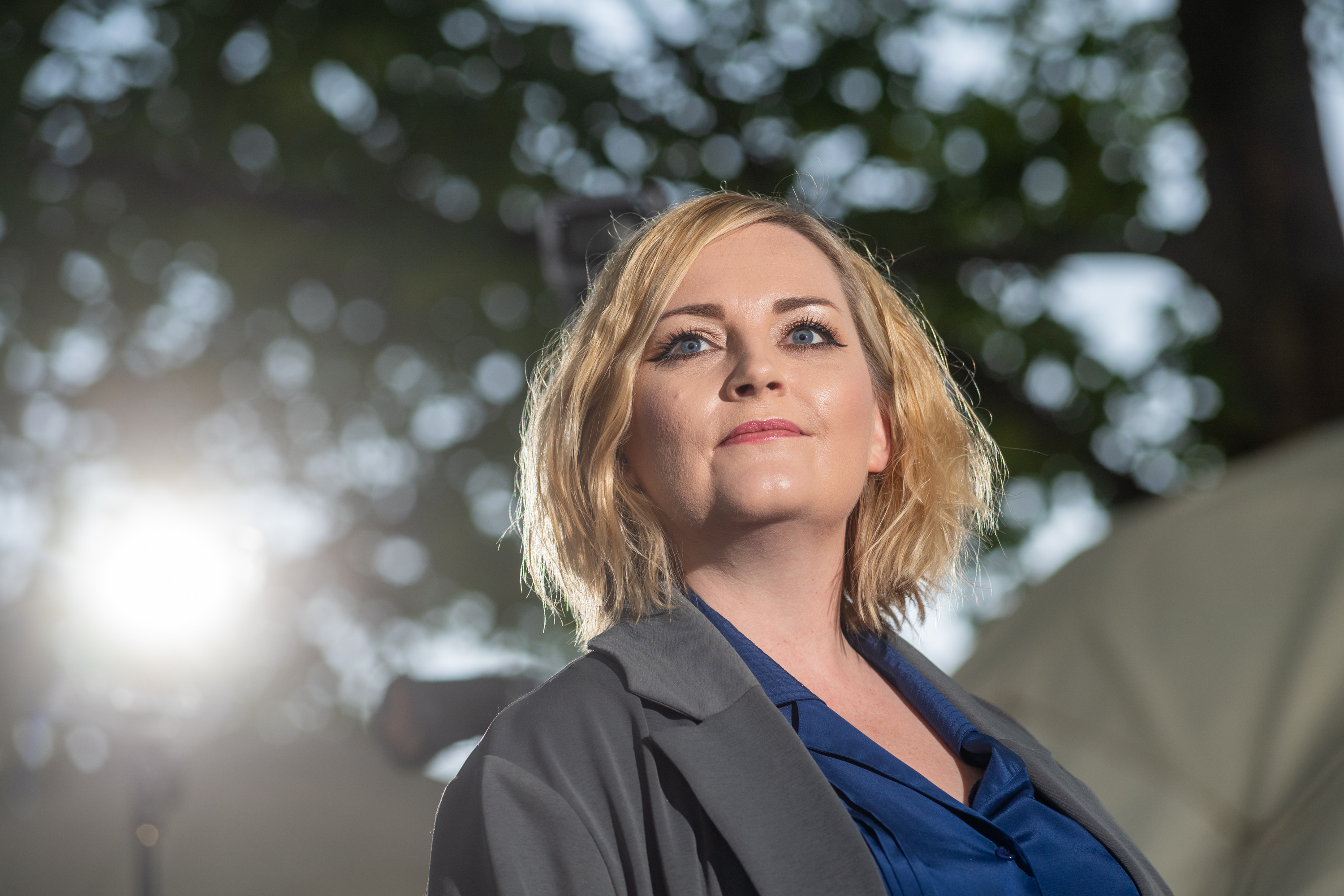
Jenny Lindsay said that the literary world was one-sided in the gender debate
ROBERTO RICCIUTI/GETTY IMAGES
Lindsay wrote: “Jenny Niven — who, in full disclosure I have both met and rather admired in the past — explains the decision to essentially blacklist both myself and the editors of The Women Who Wouldn’t Wheesht, an anthology that was a Sunday Times bestseller three times.
“Part of this explanation is the familiar claim that this subject is so ‘extremely divisive’ that it risks creating ‘events for spectacle or sport, or raising specific people’s identity as a subject of debate’.
“But whether or not ‘woman’ is an identity or a biological fact is at the root of this entire sorry mess. It is to exact an impossible double standard on women to insist they just pretend that isn’t the case.
“The out-of-touch literary world has long been ludicrously one-sided in the gender debate. That we all knew. But this confirms it.”
An Edinburgh International Book Festival spokeswoman said: “The Edinburgh International Book Festival is committed to hosting a broad range of nuanced and informed conversations.
“Our 2025 programme includes authors with a diverse range of perspectives on many subjects.”
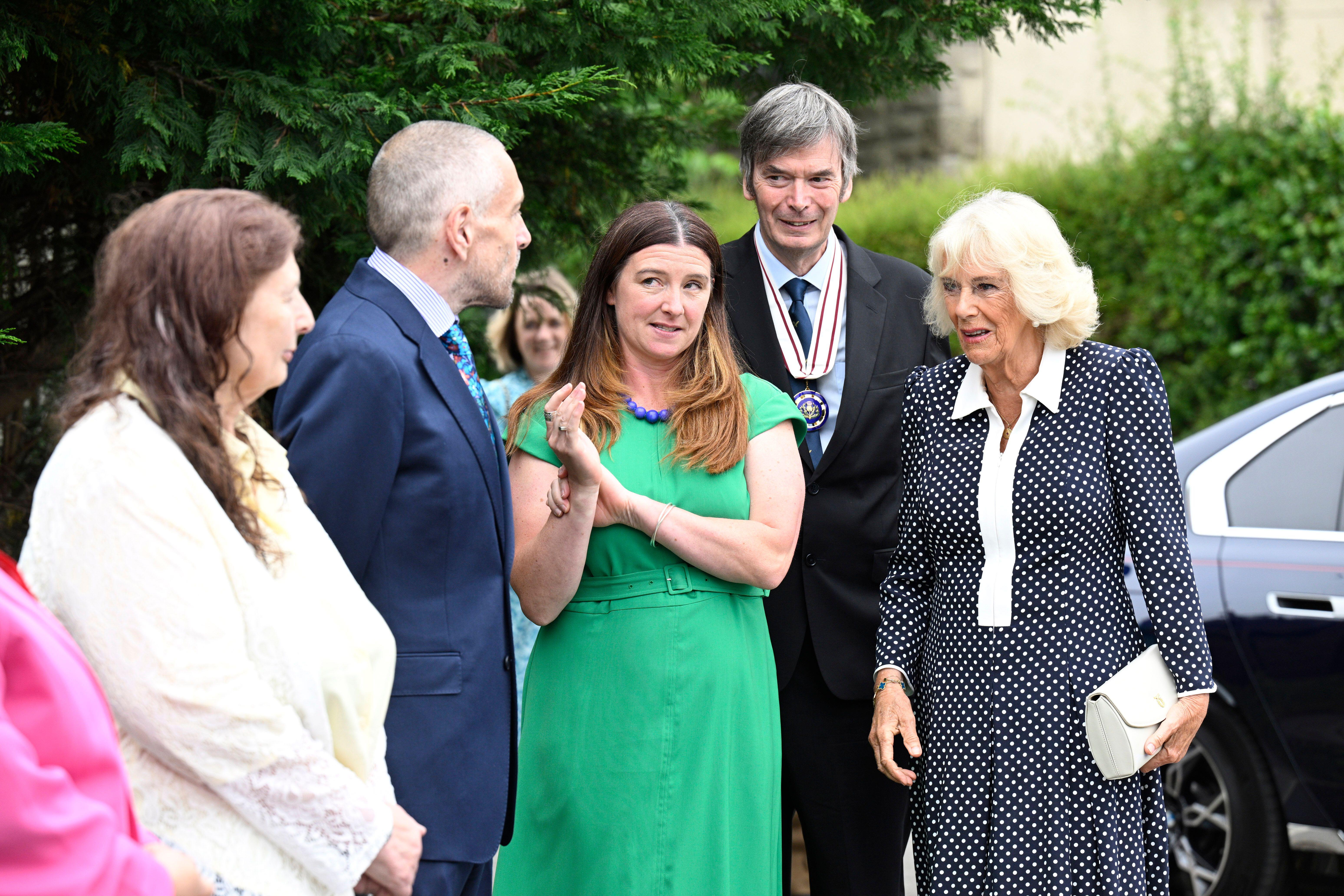
Niven, third from left, with Queen Camilla during her visit to Edinburgh last month for Holyrood Week
ALAMY
The spokeswoman continued: “In this year’s festival, authors who hold gender-critical views and authors who are trans are both represented in the programme.
‘However, the focus of their events is on their specific books and literary work, including fiction, rather than on the topic of gender politics.
“While our festival theme of ‘repair’ is broad, programming a major festival requires difficult choices about which big themes to cover in-depth.
“For this year, we have chosen to prioritise other important conversations related to repair, such as geopolitics.”