


Listen to this article
Estimated 4 minutes
The audio version of this article is generated by AI-based technology. Mispronunciations can occur. We are working with our partners to continually review and improve the results.
The CEO of Horizon Health says the crisis of alternative-level-of-care patients taking up hospital beds is getting worse and could soon start to compromise the ability to schedule surgeries.
Margaret Melanson told MLAs on the legislature’s public accounts committee that these patients, also known as ALC patients, now take up 40 per cent of Horizon beds — “the single biggest factor affecting our emergency departments.”
“Without urgent systemic change these challenges will only continue, and possibly worsen,” Melanson said Thursday.
ALC patients have no medical need to be in hospitals but are housed there when there are no available nursing home spaces for them to go to.
Melanson sounded the same alarm to the same committee last October, even offering to give up part of her budget if the government were willing to divert that money into long-term-care spaces.
But so far nothing has changed, she said.
The Holt government has not announced any new nursing homes since it took office.
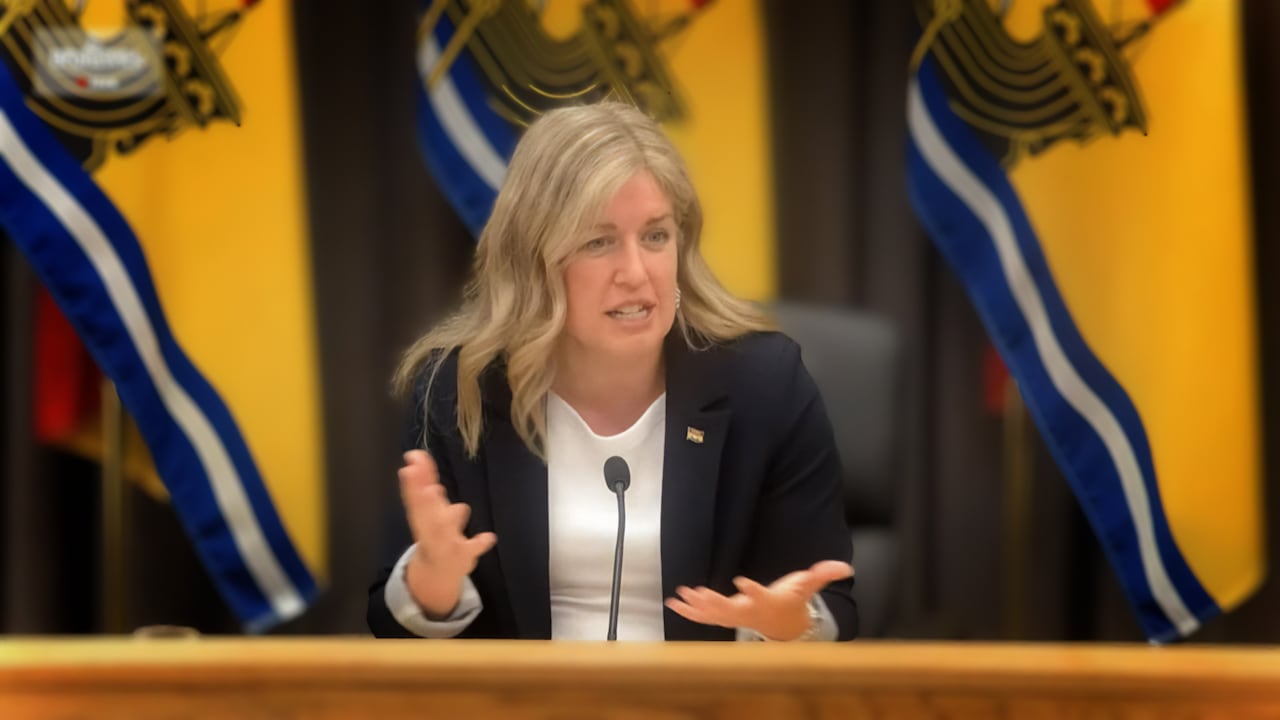 The Holt government has not announced any new nursing homes since taking office. (CBC News)
“It is incredibly frustrating,” Melanson told reporters.
“We really haven’t seen marked improvement at all. The high numbers continue to be very, very alarming for us.”
Last month Premier Susan Holt said 1,076 people are on the waiting list for nursing home spaces, half of them ALC patients in hospitals.
So far, the spillover effect is in emergency departments, which are clogged with patients waiting for an inpatient bed to open up.
The average time for a patient with an urgent condition to be seen is 231 minutes or almost four hours, compared to the benchmark of 30 minutes, Melanson said.
The average time an emergency patient waits for a bed is 18 hours, she added.
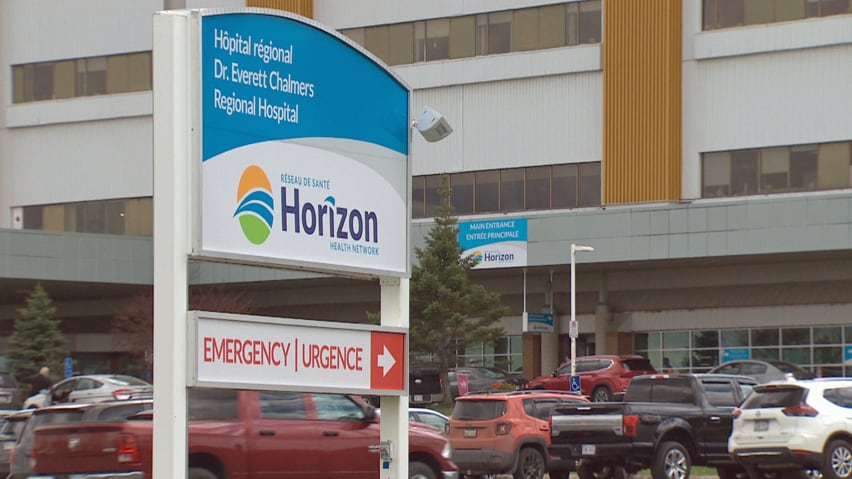 Emergency departments, including at the Chalmers hospital in Fredericton, are clogged with patients waiting for an inpatient bed to open up. (Joe McDonald/CBC)
She told reporters that if the situation isn’t better by this time next year, it may start to compromise the spaces hospitals use for surgeries.
“We have tried our best and our teams work tirelessly daily to see surgical care proceed, despite these bed challenges,” she said..
“That is not indefinite. We will have surgical interruptions because we will not have any other places to put patients.”
Holt said last year that her government was taking steps to improve the situation, including expanding home care and the Nursing Home Without Walls program.
But she did not mention building additional beds to help cut the waitlist.
Melanson said she’s hopeful an upcoming long-term care plan from the government will help.
The Liberals’ pre-budget consultation document listing cost-cutting options suggests the possibility of “shifting beds from hospitals to long-term-care facilities to provide the required care in a more appropriate setting, at a lower cost.”
Melanson also said Horizon is expanding an initiative it launched at the Moncton Hospital to send ALC patients to the first available nursing home spot within 100 kilometres, regardless of the patients’ preferences.
The province has agreed to co-ordinate that at other Horizon hospitals, though the lack of nursing home beds means no patients from other hospitals have been moved yet.
MLAs on the committee focused their questions on issues other than ALC patients on Thursday, such as the Holt government’s rollout of collaborative care clinics around the province.
“Horizon Health nor the government do not deny that there are challenges within New Brunswick’s health-care system,” Miramichi Bay-Neguac Liberal MLA Sam Johnston told reporters. “There most definitely is.
“I think the salient point is that this government is coming up with an innovative approach to address those challenges.”