
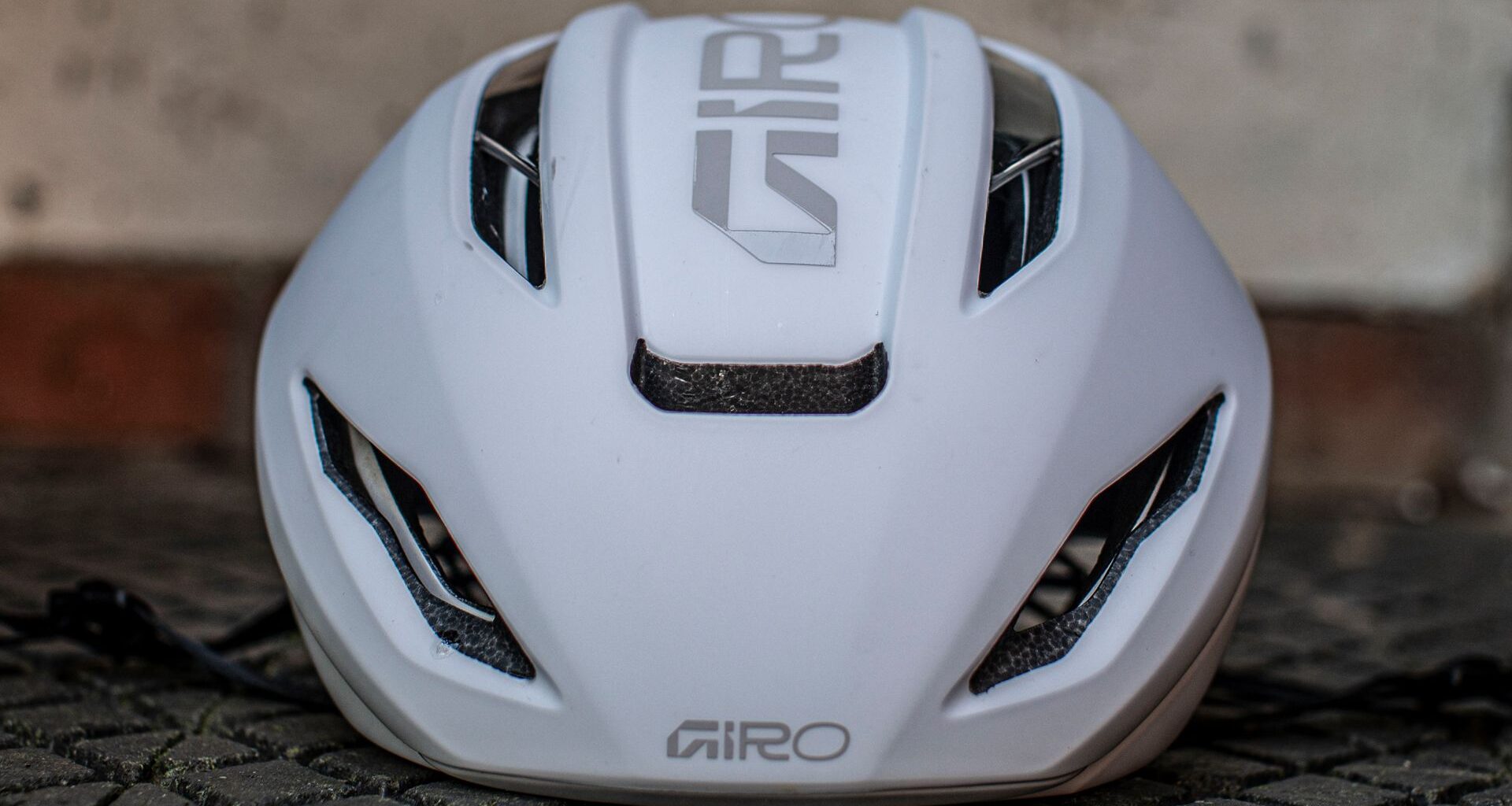
Giro Eclipse Pro Aero deals
Aero helmets are tricky to choose owing to a variety of attributes such as ventilation, fit, and comfort – not to mention their aerodynamic claims, which are the primary selling point. Having tested hundreds of helmets, including myriad time-trial options, I can confidently say fit and comfort are non-negotiables, and Giro has always delivered in this regard. The company has been manufacturing some of the best road bike helmets for over 40 years and, in that time, has forged a reputation for balancing all the aforementioned attributes.
The original Eclipse helmet was one of Giro’s best aero helmets. While packed with comfort, safety tech, and ventilation, the current obsession with going faster prompted the company to re-examine the Eclipse platform to make it even slipperier than before, and the result is the helmet you see here – the Eclipse Pro.
Best picks for you
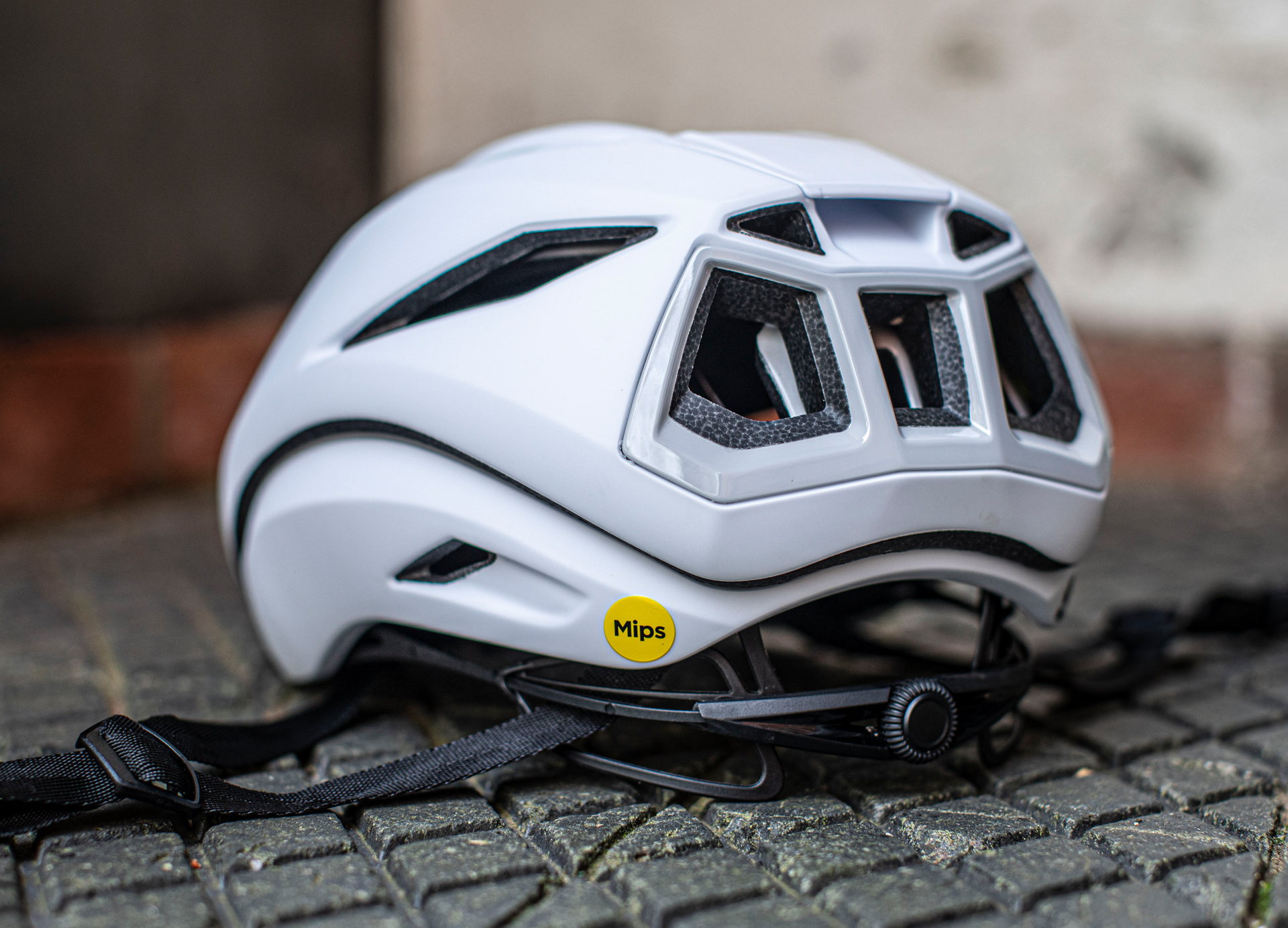
Gloss surfacing on the rear exhaust trim contrast the matte white quite superbly
(Image credit: Aaron Borrill)
Technical details
The Giro Eclipse Pro shares a fair bit of tech with the outgoing model, including MIPS Spherical rotational impact technology, the polycarbonate shell and EPS foam structure, and Roc Loc 5.5 Air fit system. The big change is in the structure, which has been reshaped for better aerodynamics. While this is a major focus for the new helmet, Giro also ensured improved ventilation. The overall shape and sculptural surfaces were not only informed by the wind tunnel but also designed to balance aerodynamics and ventilation.
Adhering to the notion of form follows function, Giro started the design process using traditional 2D concepts to inform the direction, then moved to 3D to refine the shapes using CFD modelling.
The compact silhouette evokes Giro’s design DNA and incorporates a total of 15 vents to improve cooling and optimised airflow over and through the helmet – clean air flows over the helmet, and cool air passes through it. According to the American company, this has resulted in lower wake and radically improved aerodynamics when air passes over the back in the head-down position.
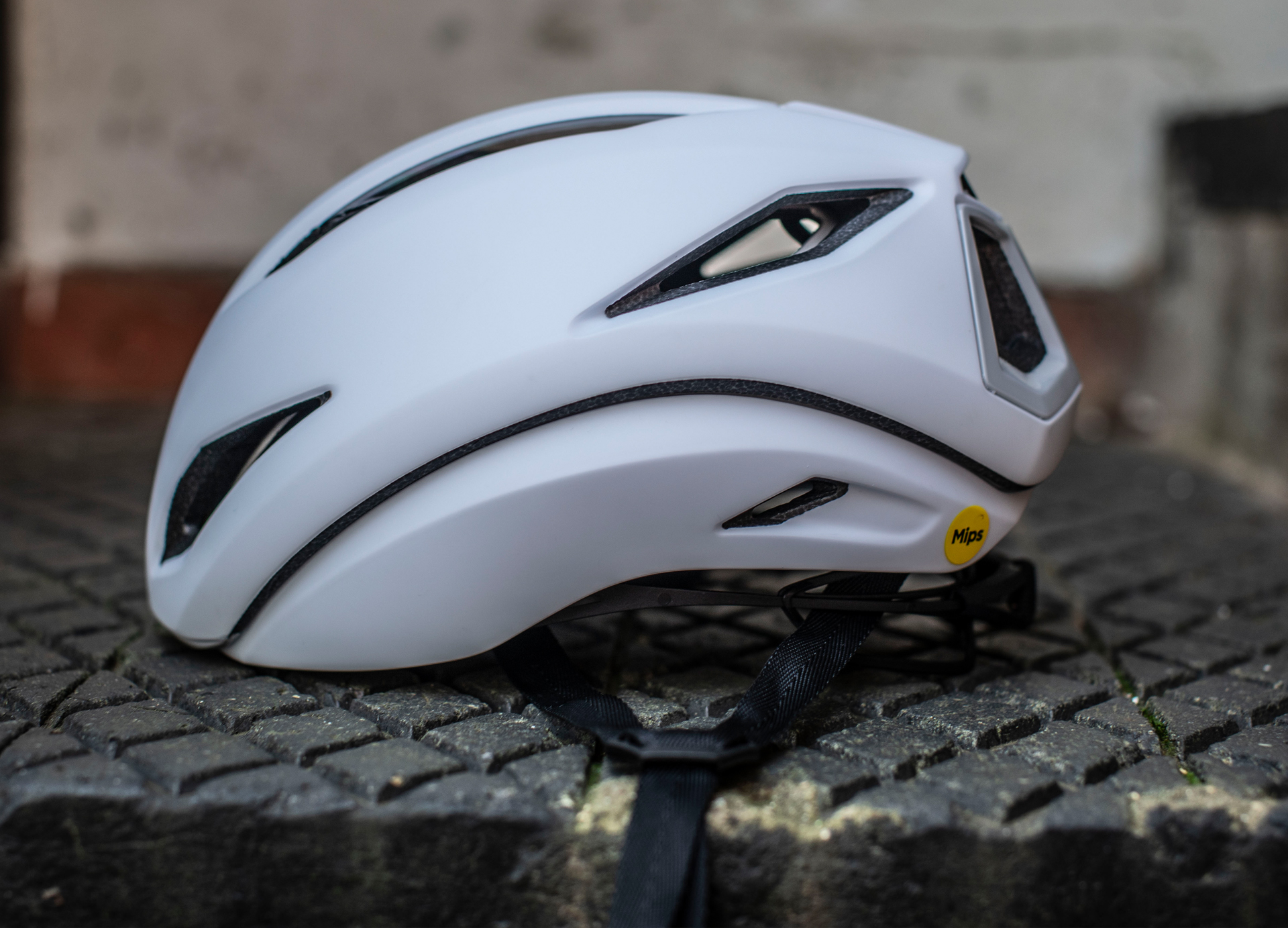
The new design design incorporates a total of 15 vents to improve cooling
(Image credit: Aaron Borrill)
It really is a good-looking lid. I appreciate the use of contrasting gloss surfacing for the large Giro wordmark logo that runs across the top, as well as its inclusion on the trim surrounding the rear exhaust diffuser housing – especially considering the bulk of the helmet is matte in treatment. The shatter-resistant, translucent Aura II Reinforcing Arch is another contrasting yet functional touch that strengthens structural integrity and is a big reason the helmet is so well ventilated.
It does look a little bulbous when viewed head-on, especially compared to something like the Met Manta, but this is a subjective opinion. In fact, the more I used the Eclipse Pro, the more I liked the look.
The Giro Eclipse Pro is available in three sizes: small (51-55cm), medium (55-59cm), and large (59-63cm), so it should fit most head shapes. Besides the Roc Loc 5.5 Air fit system’s micro-adjustment, which offers a comprehensive range of retention, the Roc Loc 5.5 Air fit system’s micro-adjustment offers a comprehensive range of retention to tailor the fit even further. Giro claims a complete weight of 280g for a medium, which is incredibly light for a full-on aero lid. Put to our scales, a medium came in at 282g, which is in line with the manufacturer’s spec.
There’s a compendium of colour options available, too, including black, white, flame red, dark maroon, sky blue, dark sage, stone, and black/frequency orange – all finished in matte. Gloss finishes appear to be available only on team-issue helmets. While I’ve been using the helmet for just over three weeks now, the matte-white colour is proving tough to keep clean, so I’m interested to see how it holds up for the remainder of the rainy season.
Like many of the best road bike helmets on the market, the Giro Eclipse Pro can be used across disciplines, including gravel racing.
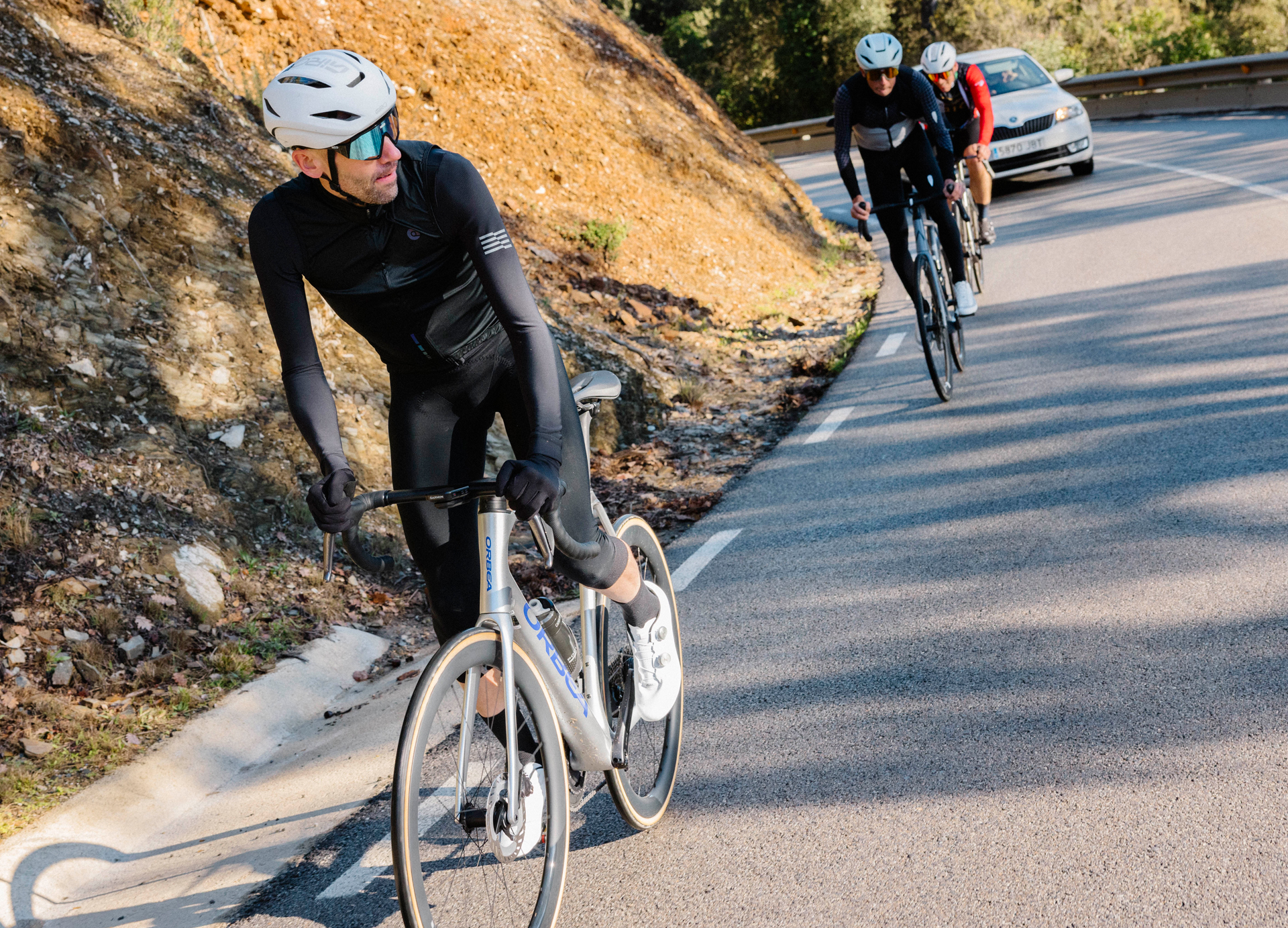
Comfortable and airy, the Giro Eclipse Pro feels more like an all-rounder than dedicated aero helmet
(Image credit: Giro and David Powell)
Performance
The most notable feature of the Giro Eclipse Pro, at least for me, is the impressive fit system. Once you’ve settled on your helmet size (something I suggest trying on in person before buying), it’s easy to fall into the common mistake of overtightening the retention cradle. While you’ll feel fine at first, after a while the compression can cause discomfort and pain, so I suggest dialling things back to start with, then incrementally tightening it to find a balance. Once sorted, the helmet should fit snugly, and you shouldn’t feel any discomfort.
Another attribute that is almost immediately evident is the ventilation system. There are few dedicated aero helmets on the market that offer as many as 15 vents, while still retaining aerodynamic benefits, but Giro appears to have nailed this. While it’s difficult to quantify aero claims without a wind tunnel, and even then, the numbers will differ from person to person, ventilation can be critiqued in the real world, and it’s here where the Eclipse Pro excels. You can feel the cool air passing through the helmet. Even when pushing down on the pedals in anger up a climb, the ventilation is top-notch. It’s no wonder riders such as Jonas Vingegaard and Pauline Ferrand-Prévot used the Eclipse Pro on every stage of the Tour de France last year – it’s so well balanced.
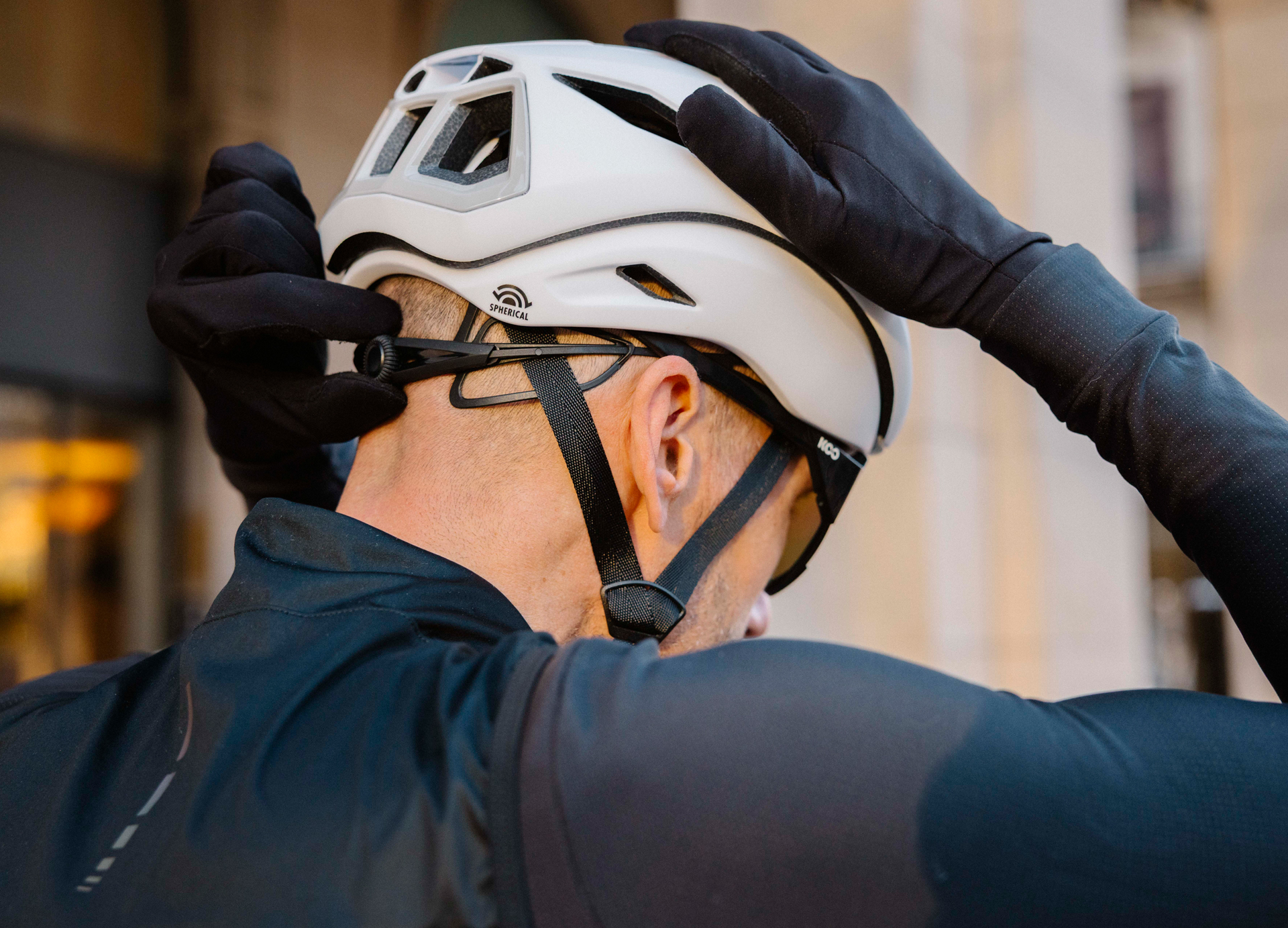
The micro-adjustments afforded by the Roc Loc 5.5 Air fit system take fit and comfort to another level
(Image credit: Giro and David Powell)
One area that could be improved is its compatibility with the best cycling sunglasses. While all helmets struggle in this regard due to their unique designs and applications, I found that Oakley Sutro sunglasses performed best, with no interference around the flanks or at the cradle. I initially tested it with a pair of Koo Spectro, but they didn’t quite work with the Eclipse Pro. Speaking of eyewear, there are rumours that Giro will soon relaunch its own sunglasses range, which should address the compatibility issue.
In operation, the helmet feels fast – I know this statement doesn’t hold much water from a scientific standpoint – but there’s not much in the way of wind noise; even at speeds of over 40km/h, just silence, which suggests it’s doing what the company claims.
As mentioned previously, the Eclipse Pro uses a Mips Spherical system. While it’s nothing new and is used extensively on Giro’s premium offerings, the system is more comprehensive than standard low-friction cradle systems because it uses a ball-and-socket design in which two foam layers rotate around each other, redirecting rotational impact forces away from the brain. While it has yet to be tested by Virginia Tech, it is worth noting that the outgoing Giro Eclipse received a four-star rating.
We’ll update this review with the Virginia Tech results as soon as the testing data is published.
Value
The Giro Eclipse Pro helmet is a notable step up from its predecessor, focusing on aerodynamics without sacrificing ventilation. Because of this impressive balance, it feels more like an all-rounder than a dedicated aero option, which in my books makes it a clear standout in the aero helmet space. Not only is the fit first-class, but the micro-adjustments afforded by the Roc Loc 5.5 Air fit system take comfort to another level.
Pricing for the Giro Eclipse Pro is pegged at £294.99 / $349.95 / €329.99. While this makes it pricier than some of its rivals, including the £226.59 / $299.99 / €260 Met Manta Mips and the £226.59 / $299.99 / €290 Specialized S-Works Evade 3, both helmets are long in the tooth, having launched back in 2021 and 2022, respectively. While aero data is a nice bragging tool, fit, comfort, and ventilation are ultimately the attributes that affect performance – especially over longer distances – and based on that alone, the Giro Eclipse Pro is a standout option in the segment.
While helmets are always a personal, subjective choice, Giro has done a great job with the new Eclipse Pro. The aero data looks good on paper, as do the safety credentials and the host of colourways available, but the standout features that make the Eclipse Pro a helmet I’d recommend to friends and colleagues are its comfort and ventilation, both of which are among the best in the segment.
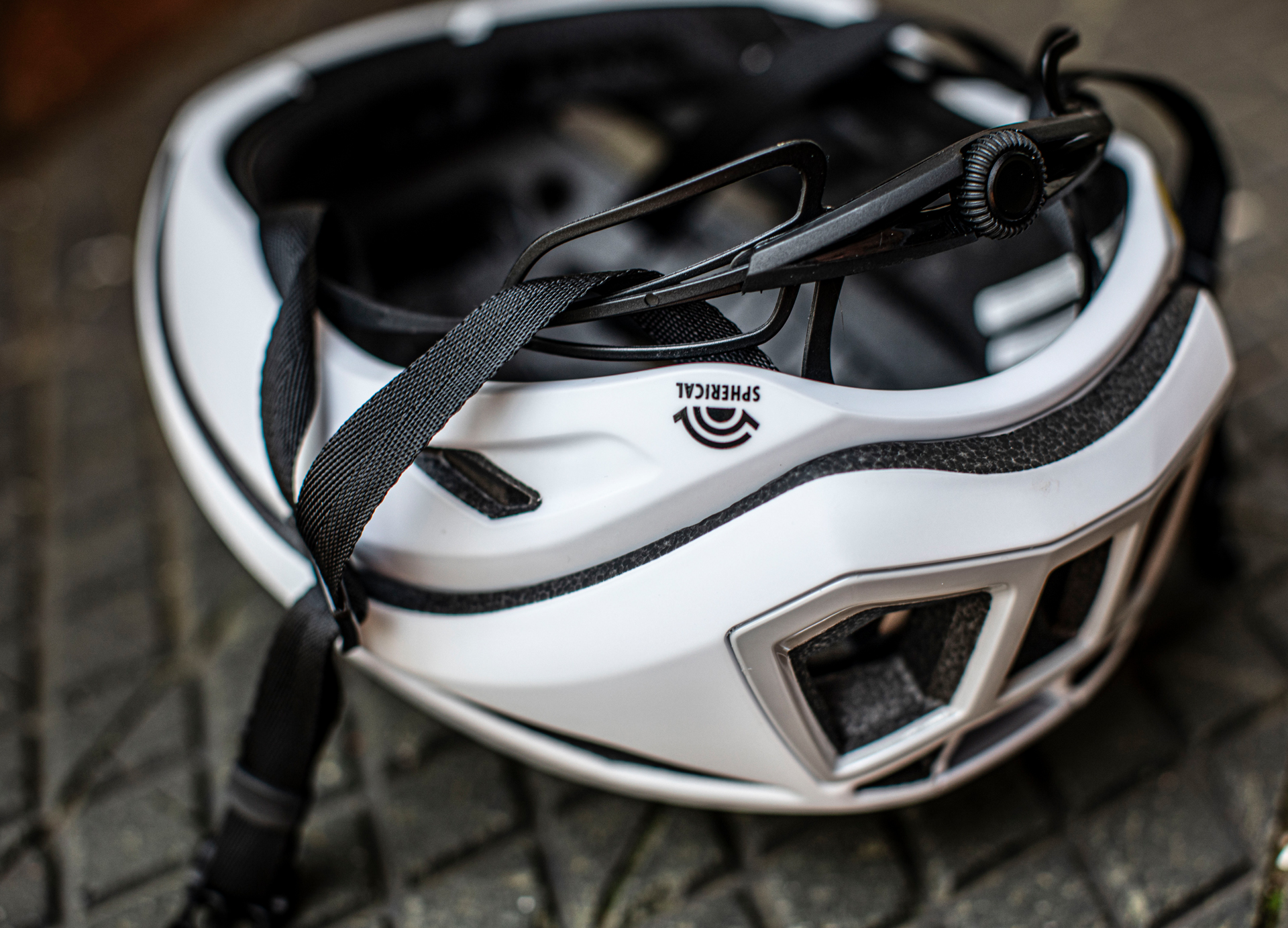
MIPS Spherical uses a ball-and-socket design in which two foam layers rotate around each other, redirecting rotational impact forces away from the brain – very clever indeed
(Image credit: Aaron Borrill)
Tech specSizes: S, M, L (medium, tested)Weight: 285g (medium, tested)Vents: 15Retention: Roc Loc 5.5 Air Fit retention dialMips: Yes, SphericalColours: 8
Giro Eclipse Pro Aero: Price Comparison