
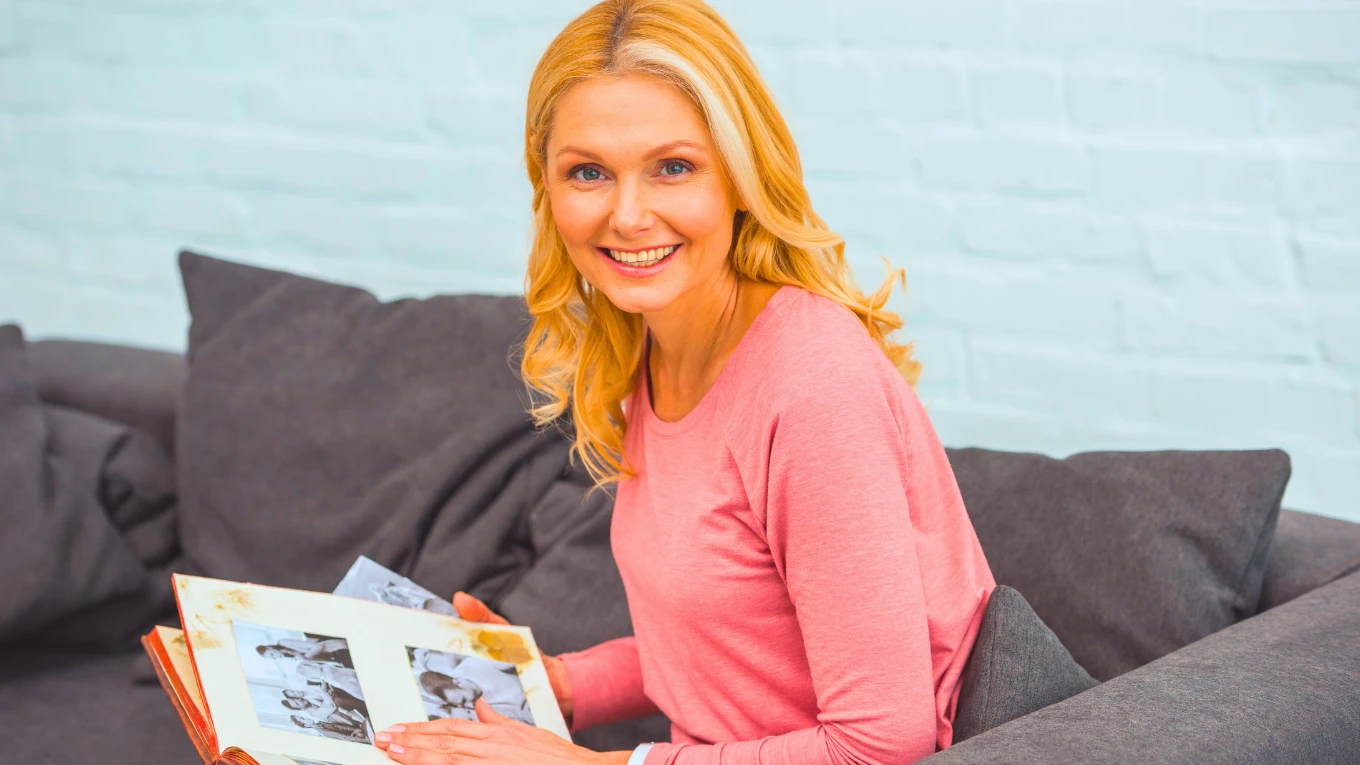
In a world where most memories live in cloud storage and camera rolls, there’s something quietly intentional about someone who still keeps physical photo albums. It takes time to print pictures, slide them into sleeves, and label them with dates or notes. That choice reflects more than nostalgia. It says something about how a person values memory, permanence, and tangible connection.
Research on memory and emotional well-being suggests that physical objects can anchor experiences more vividly than digital ones. Holding a photo activates sensory and emotional recall in ways that scrolling often doesn’t. People who keep albums tend to approach their homes the same way they approach their memories — with care, presence, and a desire for meaning. Their spaces usually reflect that mindset in small but telling ways.
People who still keep pictures in actual photo albums usually also have these 11 things in their homes1. Framed photographs that aren’t curated for social media
 Andrey_Popov / Shutterstock
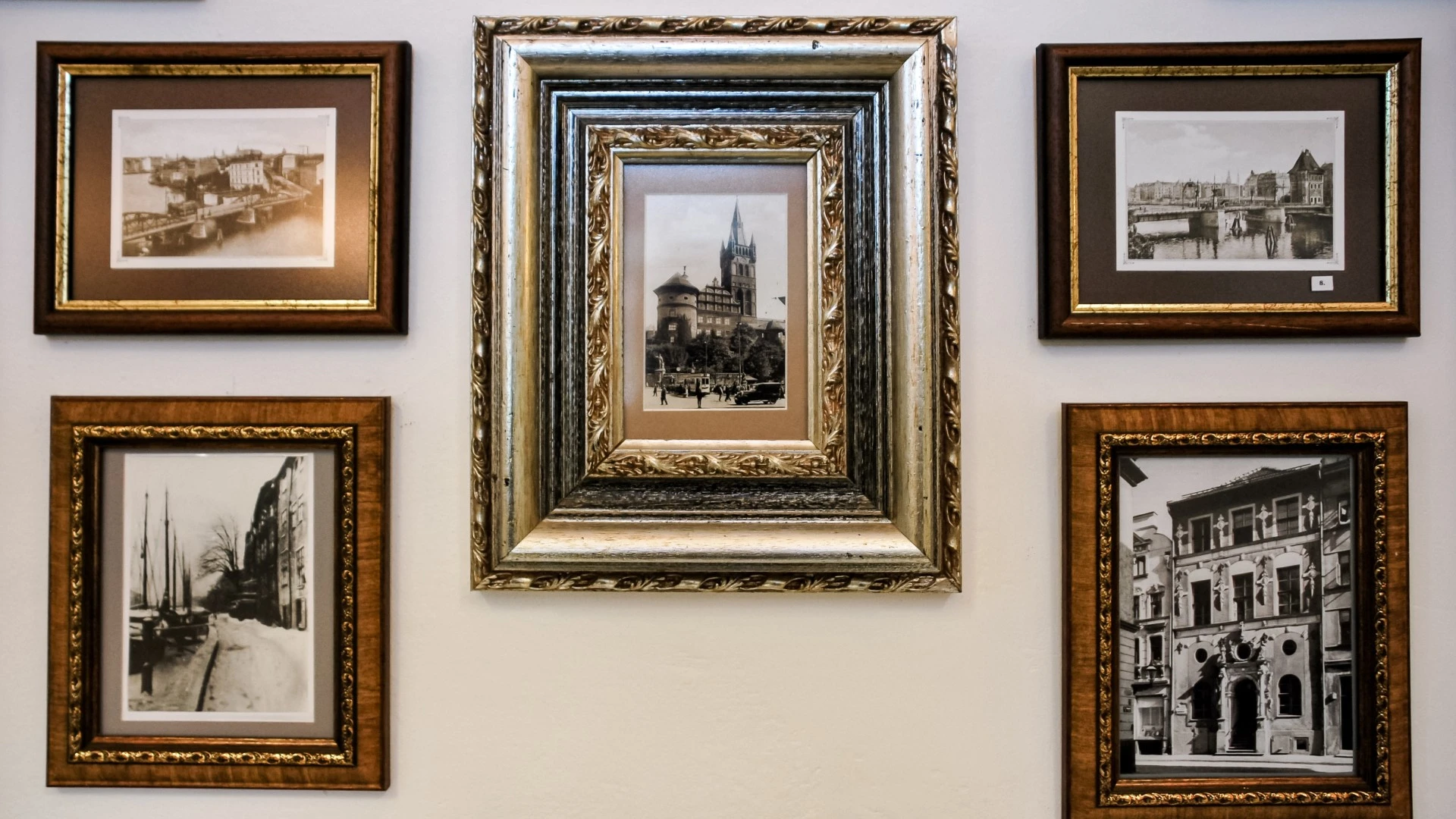
People who keep albums often display photos that feel personal rather than performative. The images aren’t chosen for aesthetic trends or online approval. They capture awkward smiles, real vacations, and ordinary moments that mattered.
These frames usually sit on shelves or walls in places where they’re seen daily. Visible reminders of meaningful relationships increase feelings of stability and belonging. The photos often span decades, not just recent highlights. There’s a visible timeline woven into the home. The display feels lived-in rather than staged.
2. Boxes of handwritten letters or cards
 diskostocker / Shutterstock
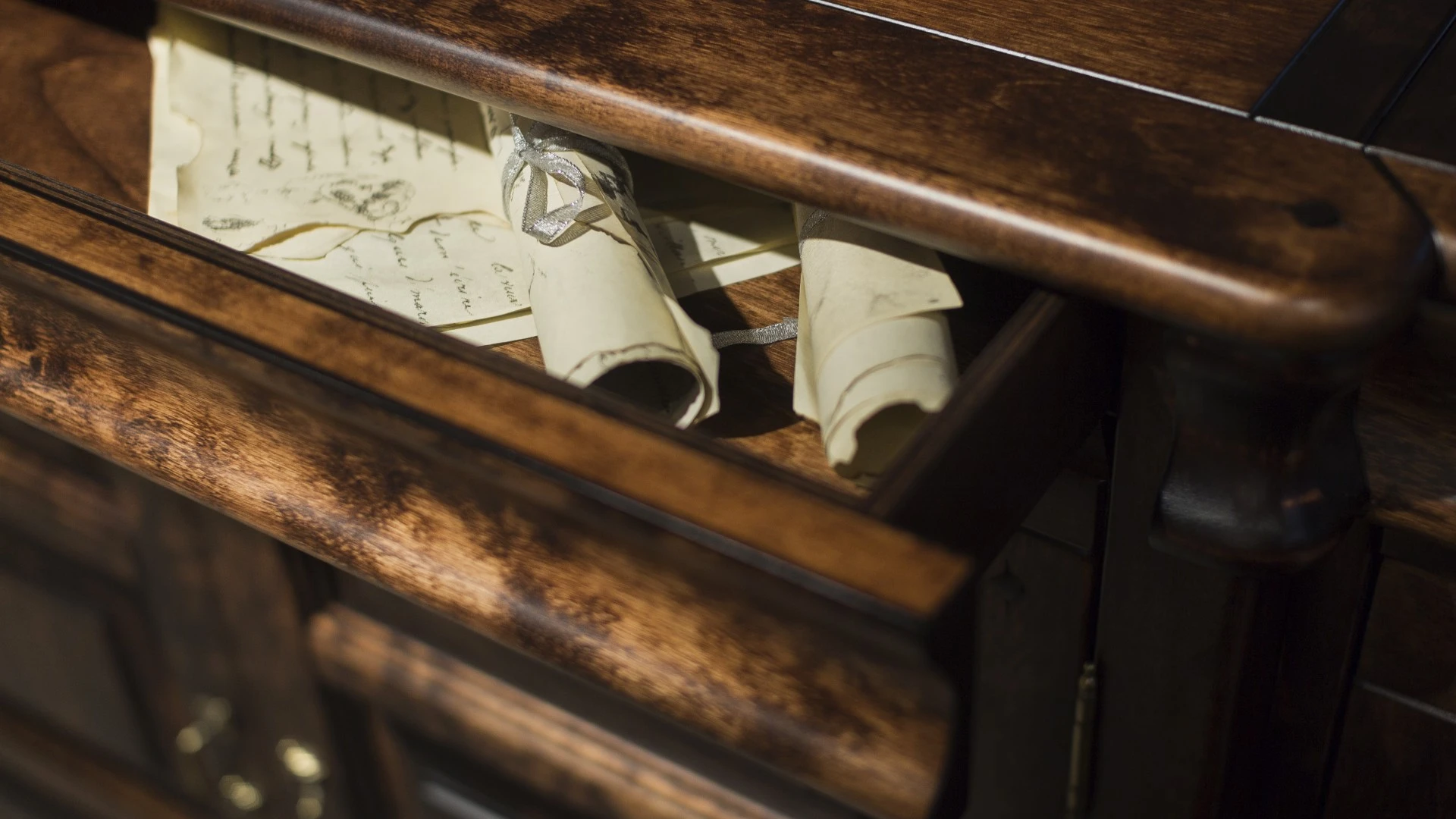
Alongside albums, there are often small collections of paper memories. Birthday cards, notes from loved ones, or old letters tend to be tucked into drawers or keepsake boxes. Holding onto written words signals that emotional expression matters to them.
Rereading meaningful messages can reinforce emotional bonds. These items rarely get thrown away casually. They represent specific chapters of life. The handwriting itself carries emotional weight. The past feels accessible in tangible form.
3. Furniture with history
 CM_S / Shutterstock
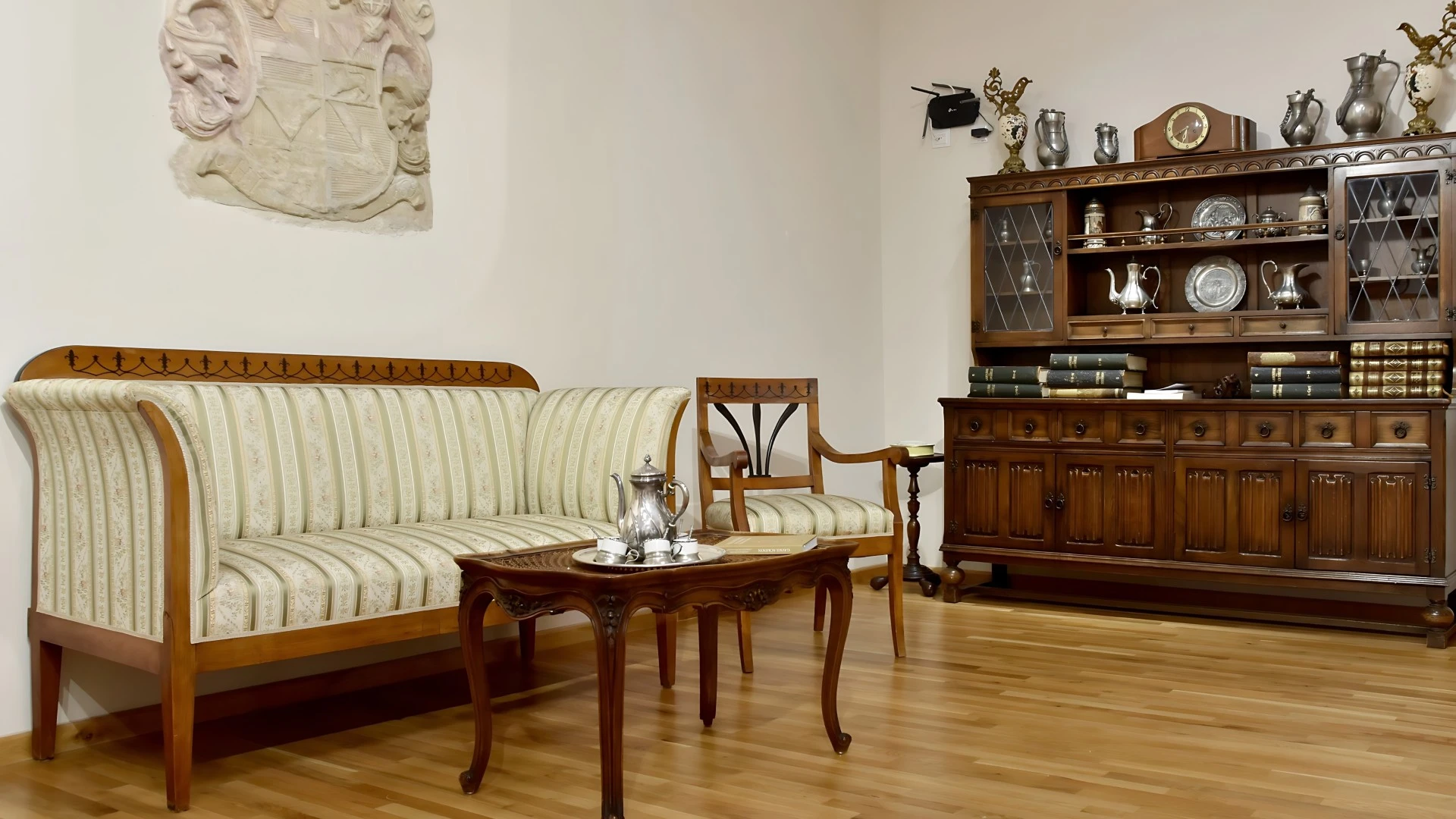
People who value photo albums often keep furniture that has a story behind it. A dining table passed down from family, or a worn armchair from a first apartment, may remain long after newer options are available. Sentimental attachment influences their design choices. Research on attachment to objects suggests that meaningful items strengthen identity continuity over time.
Replacing something just for trend’s sake doesn’t feel necessary. Function and memory often outweigh novelty. The home reflects a layered history rather than constant reinvention.
4. Bookshelves filled with actual books
 oscar0 / Shutterstock
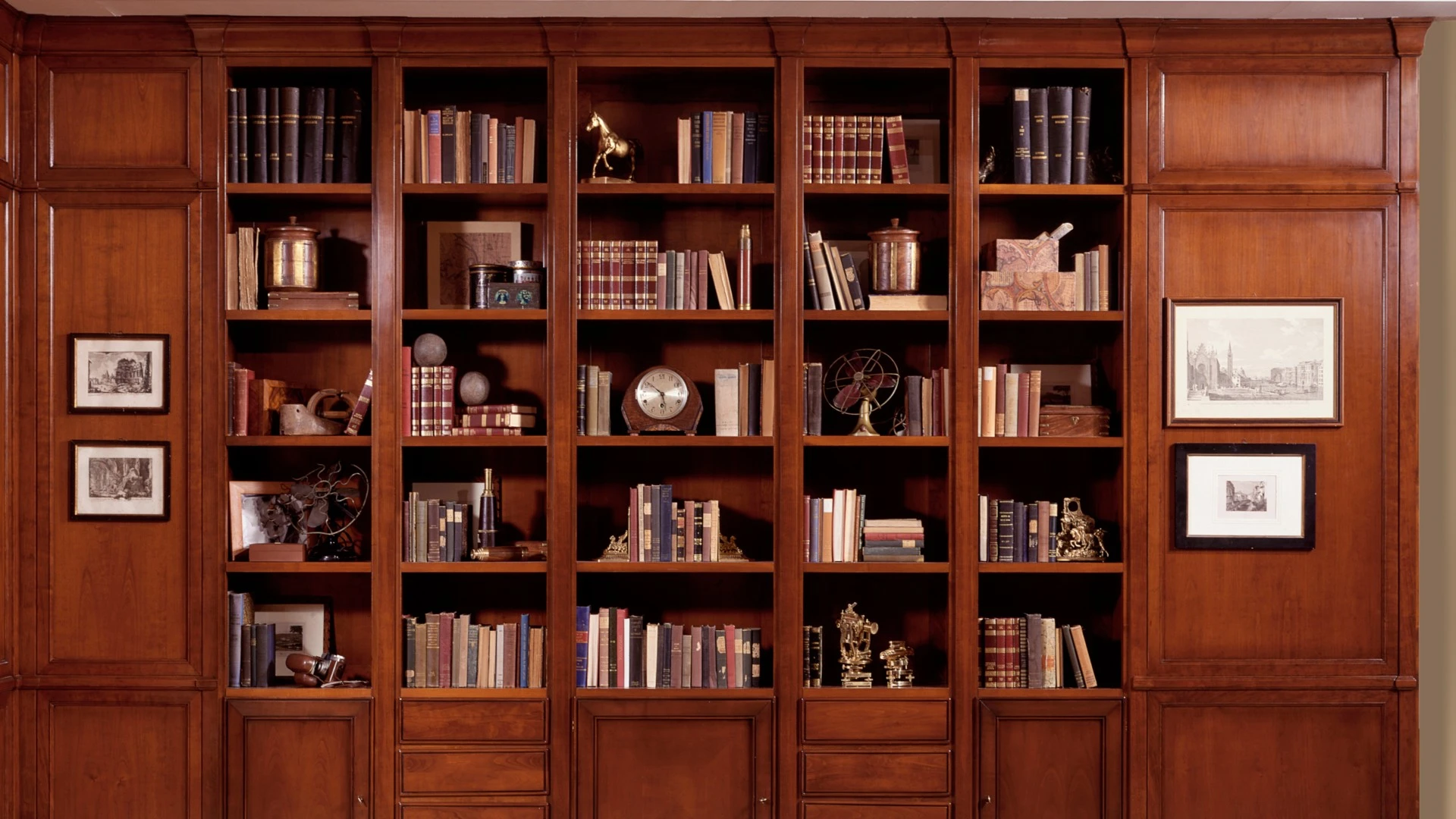
Physical books often accompany physical photos. Many people who keep albums also prefer turning pages to scrolling screens. Reading in print has been linked to deeper comprehension and stronger memory retention compared to digital formats.
Bookshelves in their homes usually show signs of use rather than decoration. Margins may contain notes, and pages may be worn. The presence of books signals a relationship with ideas that unfolds slowly. They enjoy tangible learning experiences. A room lined with books feels grounding.
5. A designated place for keepsakes
 Kittyfly / Shutterstock
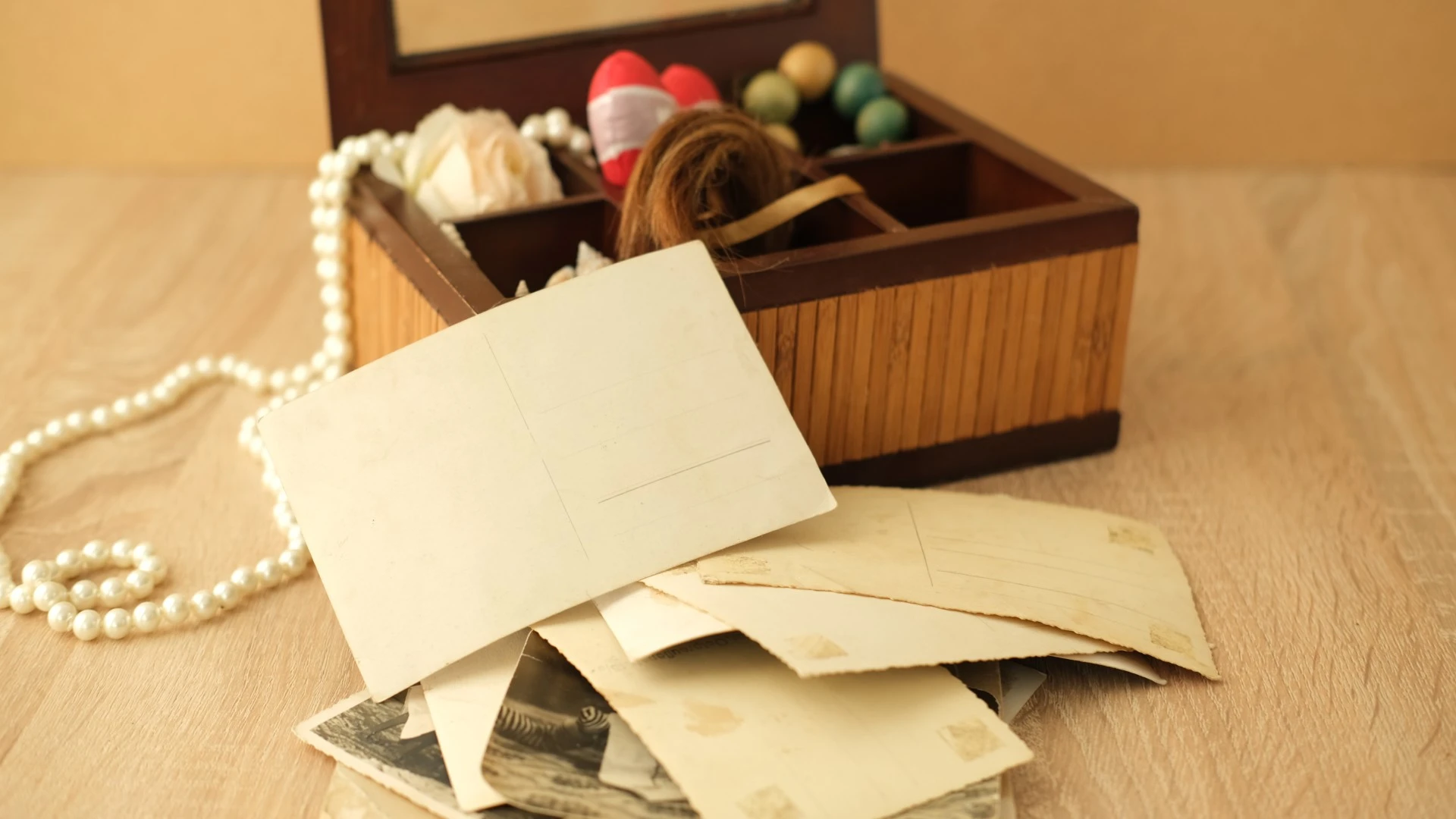
Homes like this often include a drawer, trunk, or box reserved for meaningful objects. Ticket stubs, small souvenirs, childhood artwork, and family heirlooms find a place there. These items may not have monetary value, but they carry emotional significance.
Research on autobiographical memory suggests that physical artifacts help reinforce narrative identity. Revisiting them can bring back context and emotion from earlier life stages. These keepsakes are rarely displayed all at once. They’re preserved thoughtfully. The home quietly safeguards personal history.
6. A dining table that actually gets used
 WOSUNAN / Shutterstock
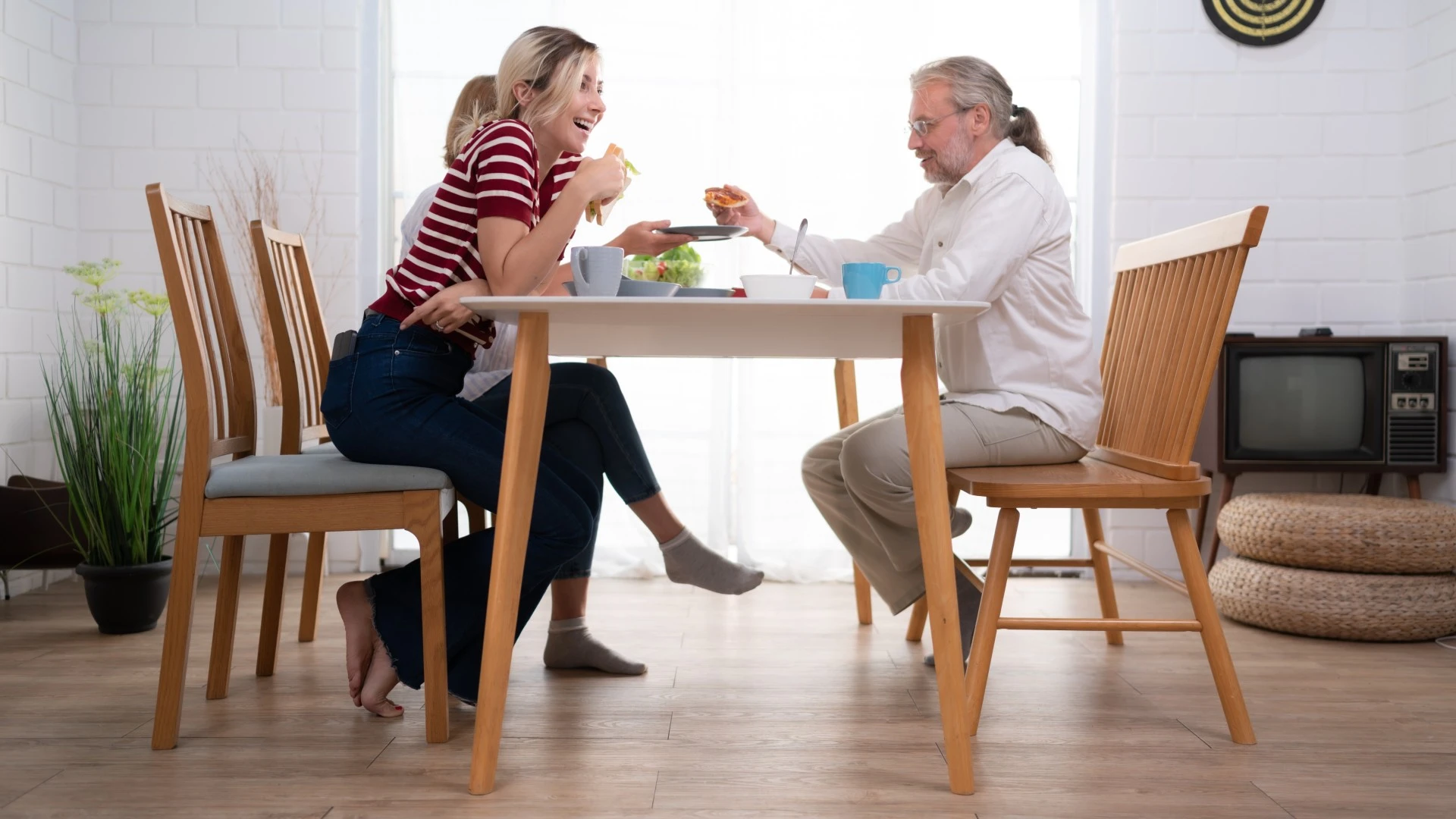
People who keep albums tend to value shared moments. Their dining tables are rarely just decorative surfaces. Meals, conversations, and gatherings happen there regularly.
Social connection in shared physical spaces has been linked to stronger relational bonds. The table becomes a setting for memory-making rather than background furniture. Photos often capture moments that happened in that very room. The space supports interaction and storytelling. Home feels active and relational.
7. Printed calendars or planners
 mosquephotographer / Shutterstock
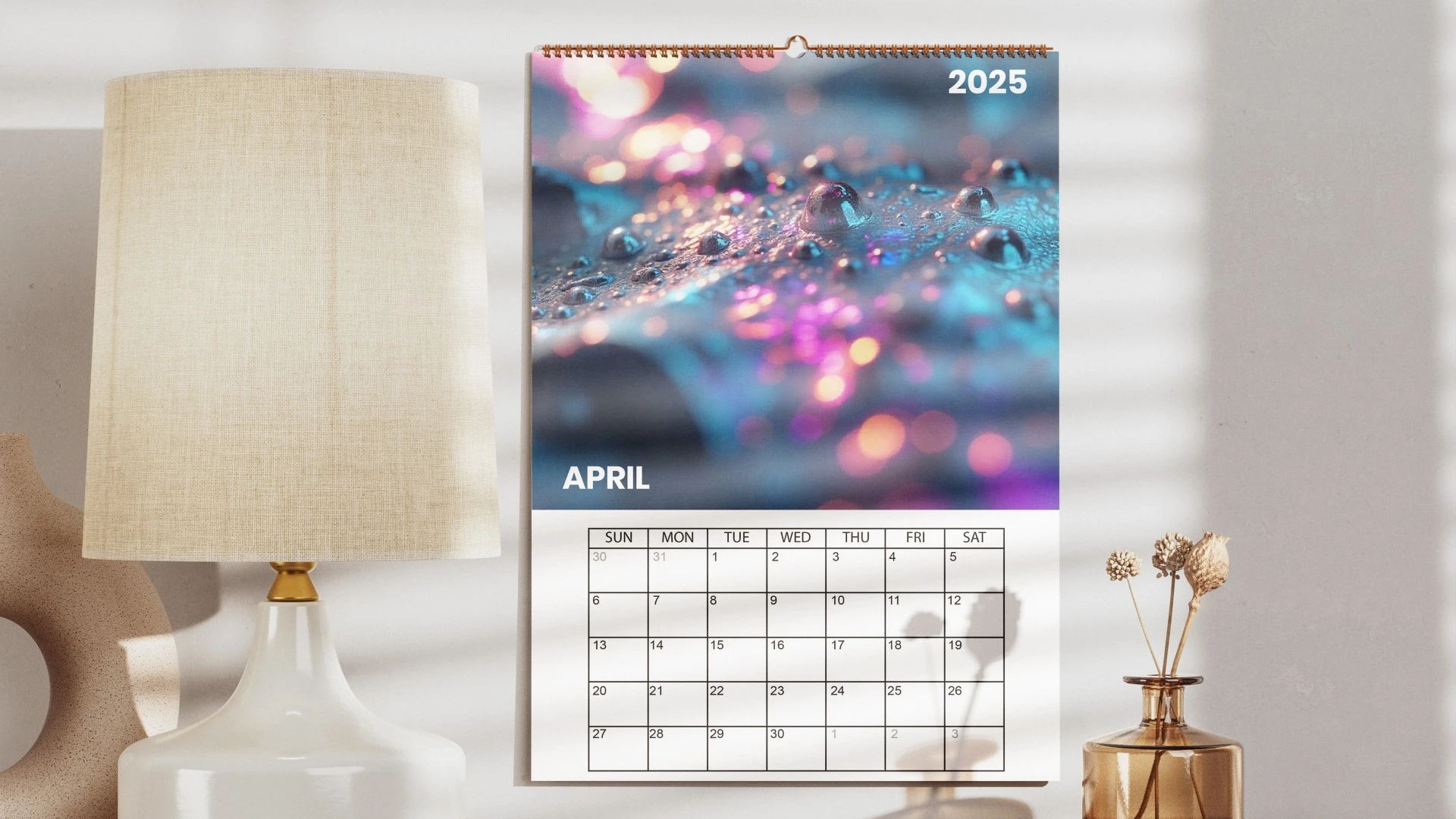
Alongside albums, there may be paper planners or wall calendars. Writing things down by hand appeals to people who prefer tangible systems. Handwriting engages memory and processing differently from typing.
A paper planner often reflects a thoughtful approach to time. Important dates and anniversaries feel anchored when written out. There’s a visible record of the year unfolding. This complements the long-term perspective reflected in photo albums. Time feels concrete rather than abstract.
8. Decorative items collected over time rather than all at once
 Ursula Page / Shutterstock
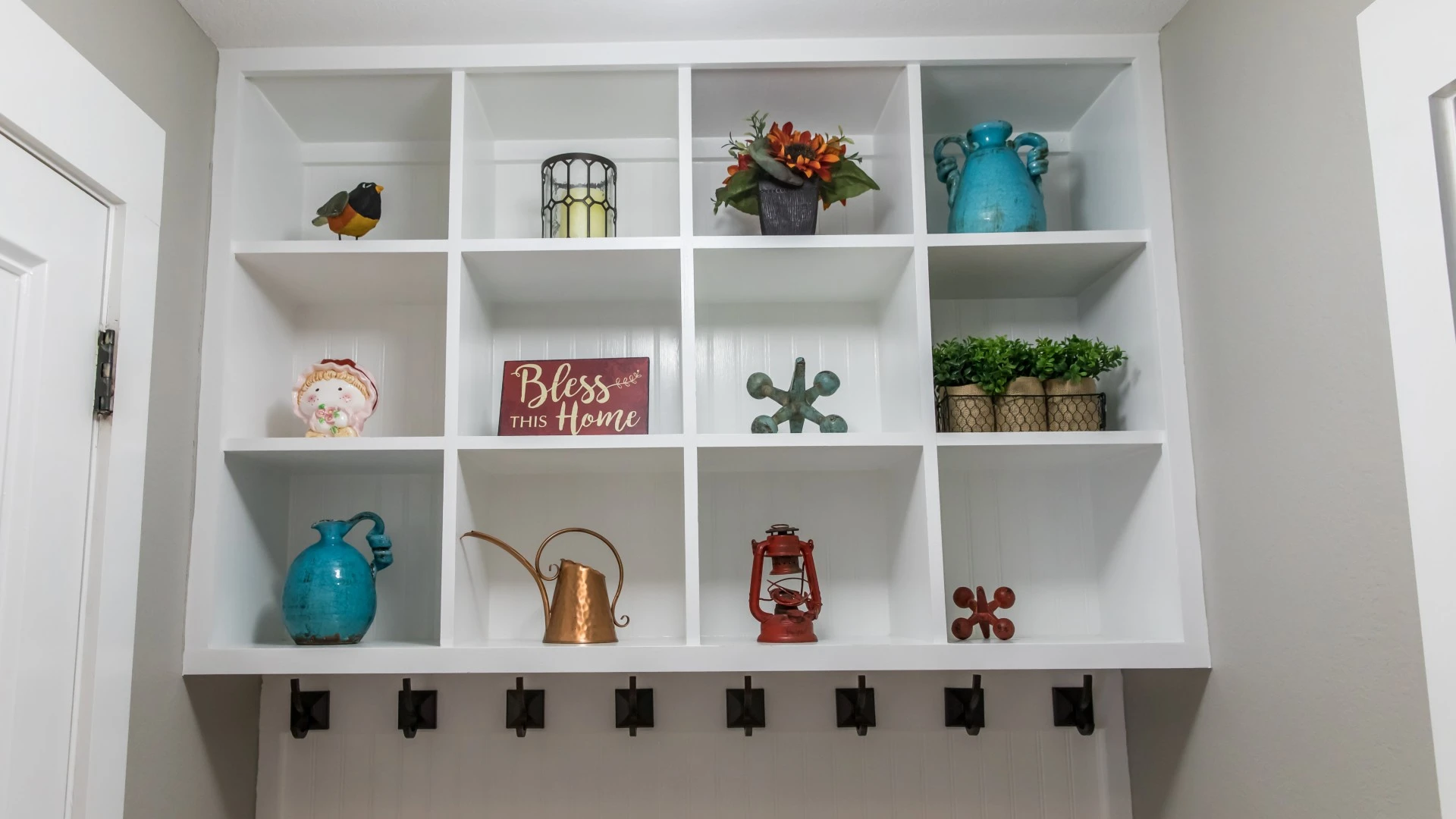
Their décor usually evolves gradually. Instead of buying an entire coordinated set, they add pieces over the years. Each object carries a story or memory attached to a place or event.
Layered spaces feel more authentic and emotionally grounding. The home may not match a catalog aesthetic. It feels assembled rather than styled. Visitors often notice the personality in small details. The space reflects lived experience.
9. Family recipes written on paper
 Arylanna / Shutterstock
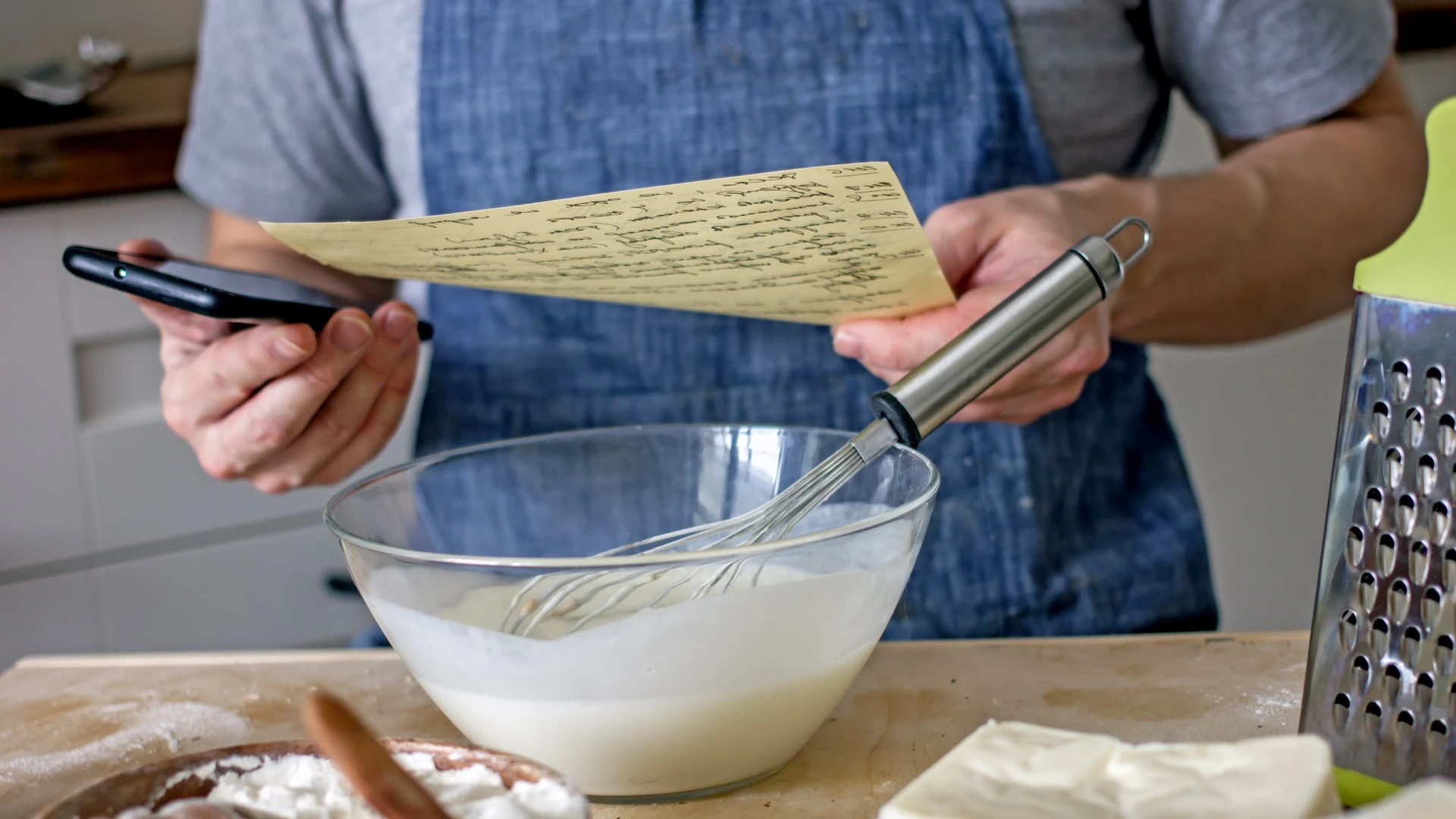
Kitchen drawers may contain handwritten recipes passed down or scribbled on index cards. Cooking from a physical card feels connected to tradition. Sensory experiences tied to food often strengthen memory retention.
Preparing a meal from an inherited recipe links generations together. These papers may show signs of spills or wear from repeated use. They aren’t easily replaced by bookmarked links. The recipe carries history beyond ingredients. Food becomes another form of storytelling.
10. A comfortable chair reserved for reflection
 EugeneEdge / Shutterstock
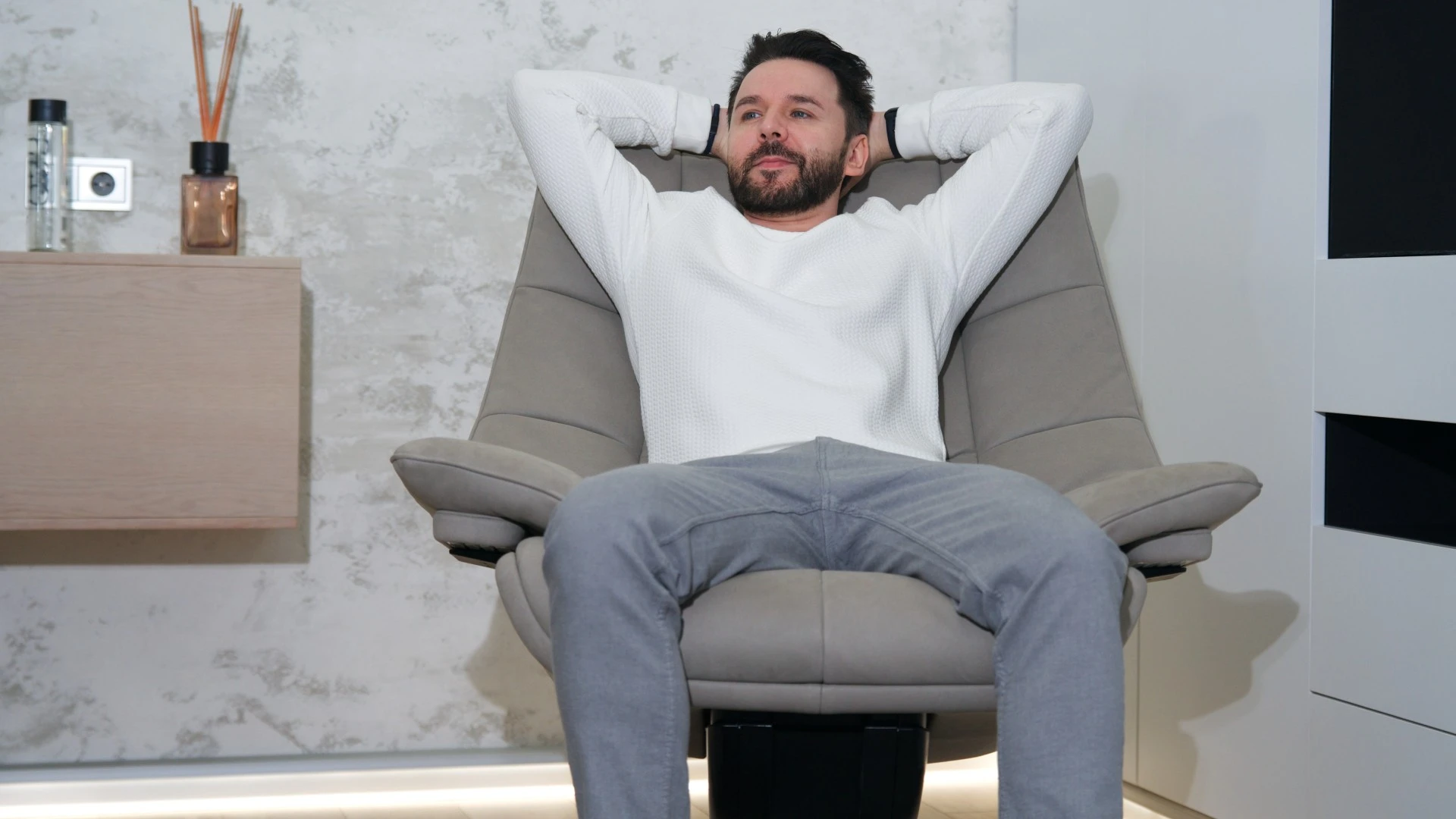
There’s often a particular chair or corner associated with quiet time. It may be where albums are opened, or letters reread. Spaces designed for reflection support emotional regulation and memory processing.
Sitting with physical photos encourages slower engagement than scrolling through a phone. This physical pause reinforces intentional living. The chair becomes associated with contemplation. Moments of stillness feel built into the home’s design. Memory and space connect there.
11. A sense of continuity throughout the space
 PeopleImages / Shutterstock
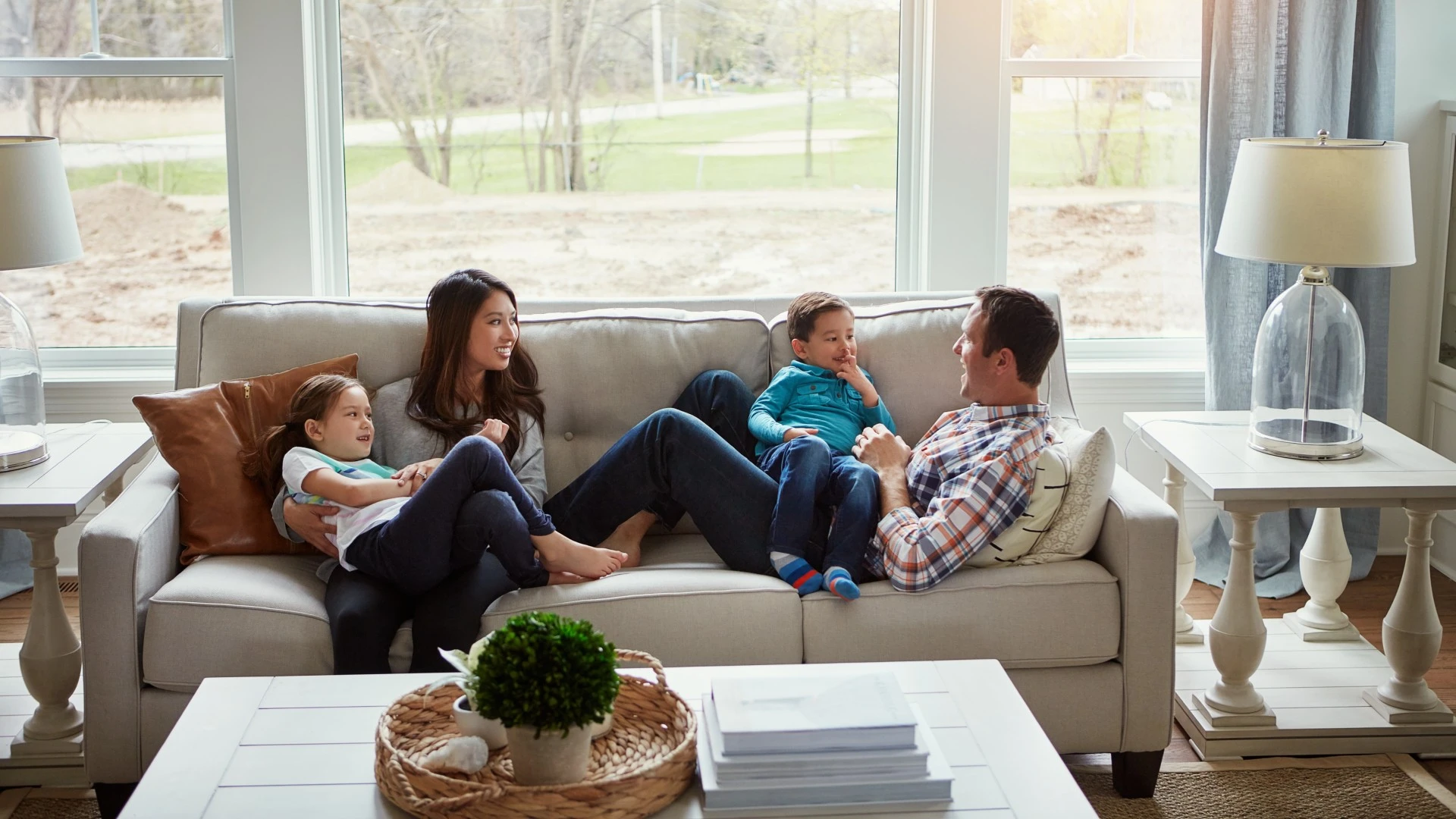
Above all, homes like this feel connected to the past without being stuck in it. Albums, keepsakes, and tangible objects create a thread between who they were and who they are now. Continuity increases emotional stability. Physical reminders of earlier chapters help anchor present life.
The home tells an ongoing story. It feels cohesive rather than temporary. Each object contributes to a narrative that spans years. Living there feels rooted rather than transient.
Sloane Bradshaw is a writer and essayist who frequently contributes to YourTango.
Related Stories From YourTango: