
Hidden beneath the green hills of South Wales, a piece of long-forgotten industrial infrastructure could get a second life—this time powered not by coal trains, but by people.
Campaigners in Wales have cleared a crucial hurdle in an effort to transform the Rhondda railway tunnel into what would become Europe’s longest cycling and walking tunnel—and, in winter, potentially the longest of its kind anywhere in the world. Stretching 3.1 kilometers (nearly two miles) through solid rock, the tunnel would form a dramatic, car-free link between two historic valleys, creating a new global landmark for active travel.
Originally opened in 1890, the tunnel once carried coal from the mining valleys of South Wales to ports on Swansea Bay. It was closed in 1968, and by the 1980s both entrances were sealed. For nearly 60 years, the tunnel has sat unused beneath the mountains.
That silence may soon be broken.
Local campaign group the Rhondda Tunnel Society has now received permission to excavate the long-buried Blaencwm entrance, a critical step that will allow engineers to access the tunnel for inspection, maintenance, and future restoration work. It’s a turning point that moves the project from long-term vision toward real-world delivery.
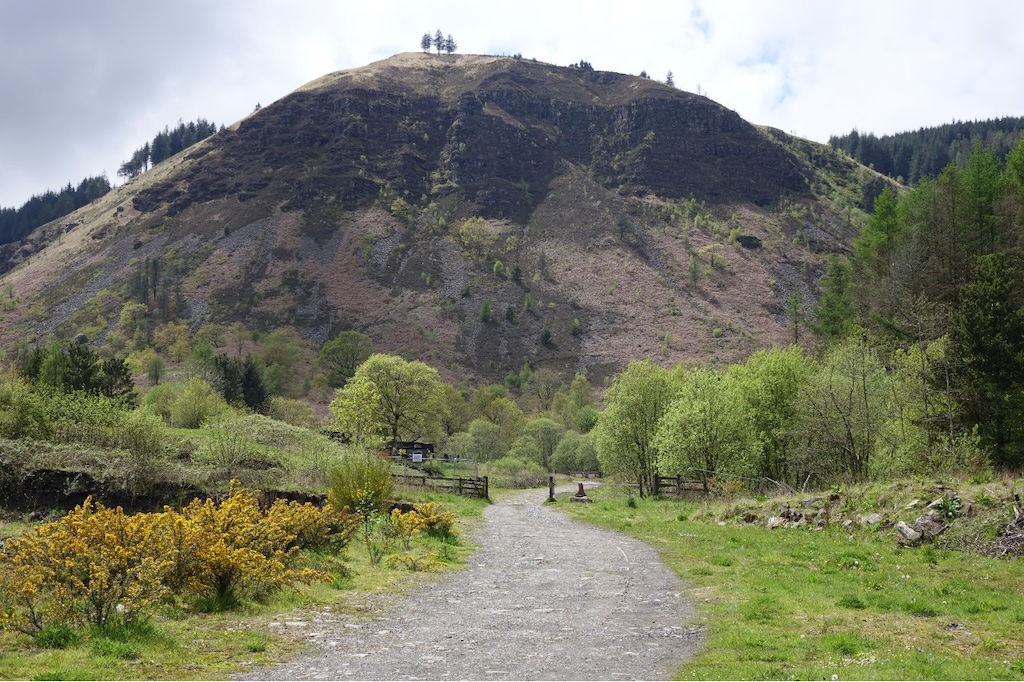
Rhondda Tunnel site (photo: Rhondda Tunnel Society Facebook)
But advocates say the project is about far more than reopening a tunnel.
“Our aim is to re-open the whole tunnel to become Europe’s longest cycling and walking tunnel, and to turn it into a major, inclusive tourist attraction,” read the Rhondda Tunnel Society website. “The former mining valleys of South Wales still face real challenges when it comes to jobs and opportunity. This project is about creating meaningful employment, attracting visitors, and building something that works for everyone—young and old, including people with disabilities.”
Plans for the tunnel go well beyond a simple bike path.
The Society envisions a fully accessible experience, with cycle hire, electric buggies, and a shuttle bus over the mountain for visitors who prefer to travel one way through the tunnel and return above ground—offering views of the surrounding valleys. The tunnel would also host sporting events, from long-distance runs to road cycling and mountain bike challenges.
We’re delighted to hear that planning permission has been granted to excavate the Blaencwm portal of Rhondda Tunnel.
This work would mark the first substantive step towards the structure’s reopening as an active travel route, connecting two south Wales valleys.
Very good news. pic.twitter.com/Vc9pI3nNnq
— Forgotten Relics (@FgottenRelics) January 15, 2026
Its sheer scale opens up unusual possibilities. Walking end to end would take more than an hour, and the tunnel’s internal features—dry, mild conditions year-round, wide alcoves, and long stretches of exposed rock—lend themselves to exhibits, audio-visual installations, and interpretive displays that tell the story of Welsh industry, engineering, and landscape.
“The length of the tunnel itself becomes part of the experience,” the Society noted, pointing to opportunities for exhibitions, interactive features, and immersive displays housed within the tunnel’s alcoves.
If completed, the Rhondda Tunnel would be the longest cycling tunnel in Europe and the second longest in the world, placing South Wales on the international cycling and adventure tourism map. Earlier studies have suggested the project could deliver millions in long-term economic benefits, particularly by encouraging overnight stays and longer visits when combined with nearby forests, trails, and heritage attractions.
Support for the project has steadily grown over the past decade, with backing from politicians, transport advocates, and prominent Welsh figures. While ownership of the tunnel still needs to be formally transferred from the UK government’s historic rail estate, campaigners say that once approved, full restoration could take place within 18 months.
If all goes to plan, one of Europe’s most ambitious cycling experiences won’t sit on the surface at all—but will run straight through the heart of a mountain.